The key facts
- China ties the expansion of purchases of US agricultural products to a mutual reduction of tariffs on $30 billion of imports on each side
- Tariffs on roughly 90% of the covered goods should fall to most-favored-nation rates
- An agricultural working group has been created; its first meeting is scheduled before the end of 2026
The condition for expanding purchases
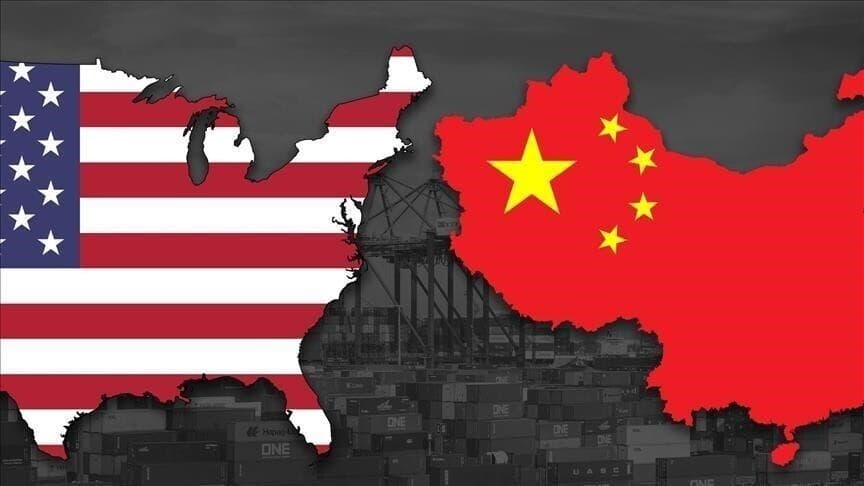
China is open to increasing purchases of US agricultural products provided that both countries fulfill the agreement on mutually reducing tariffs on imports by $30 billion on each side, China's Ministry of Commerce said. Ministry spokesperson Huang Ling announced this at a regular briefing, with her remarks cited by the Xinhua agency referring to a publication by Anadolu. According to her, agricultural trade is an important part of bilateral economic cooperation, and expanding cooperation could give consumers more choice and provide stable income for businesses and farmers in both countries. Huang Ling called on Washington to work with Beijing to lower tariffs, reduce non-tariff barriers, and expand market access.
What the tariff agreement provides for
The agreement stipulates that each side will lower tariffs on roughly $30 billion worth of goods imported from the other side — about $60 billion of trade in total. Tariffs on approximately 90% of the covered goods should fall to most-favored-nation rates. The reductions will take effect simultaneously once both sides complete their internal legal procedures. Earlier, China's Ministry of Commerce specified that on the US side the reductions would cover agricultural products, personal hygiene items, medical equipment, and coal, while on China's side — toys, household appliances, children's goods, kitchen and bathroom accessories, and holiday gifts.
Negotiation context
The statement came after the eighth round of bilateral trade and economic consultations, held in New York and Washington on September 20–23. As part of broader efforts to stabilize relations, the leaders of the two countries agreed at a May meeting in Beijing to create an intergovernmental Board of Trade; the September talks advanced the procedure for its operation and the framework of mutual tariffs. In addition, according to the Chinese ministry, the sides extended until January 10, 2027 the October 2025 Kuala Lumpur trade agreement, which had suspended a number of tariff and non-tariff measures until November 10, 2026. Access to agricultural markets remains at the center of discussions: a working group has been created under the joint leadership of China's Ministry of Commerce and the Office of the US Trade Representative, with its first meeting scheduled before the end of 2026. For now, the tariff reduction remains a plan contingent on both sides completing legal procedures — the publication does not report that the measures have actually taken effect or that purchases have been expanded.