The key facts
- Cancer charities alone raise more than £1 billion a year, while NHS England spends almost £2 billion a year on purchasing services from the non-profit sector
- Charities complain that the NHS refuses to take on funding for nursing posts they have created and asks them to cover most of the costs
- Charities complain that the NHS refuses to fund the nursing posts they have created and asks them to cover most of the costs
- Experts and the charities themselves acknowledge that this model widens inequality: large London hospitals raise disproportionately more funds
- Experts and the charities themselves acknowledge that this model deepens inequality: large London hospitals raise disproportionately more funds
A clinic paid for not by the state
The British National Health Service is increasingly relying on charitable organisations to deliver medical care, and this, as the BBC's health correspondent Nick Trigglewrites, may be creating problems for patients. A telling example is a network of virtual clinics for families affected by dementia, where specialist nurses help more than 100 patients and their relatives every week, including with discharging elderly people from hospital. Traditionally, the NHS itself would provide such a service, but the clinic — set up during the Covid pandemic and kept running because of high demand — is funded entirely by the charity Dementia UK.
The scale of charitable involvement
The role of the non-profit sector in British healthcare has long gone beyond small-scale assistance. According to figures cited by the BBC, cancer charities alone raise more than £1 billion a year, while NHS England spends almost £2 billion a year on purchasing services from the non-profit and voluntary sector. Separately from these, there are more than 220 charities attached to NHS hospitals and services, raising £620 million a year — according to Ellie Orton, head of NHS Charities Together, that is only about 0.3% of the healthcare budget.
Charities are subsidising the NHS
The sector itself admits it is having to make up for the public service's reduced budgets. The Dementia UK model envisages co-funding specialist nursing posts with the NHS for up to two years, with costs then transferring to the state, but, according to the organisation's chief medical director Paul Edwards, the NHS increasingly asks for posts to be funded for longer or to cover more than half the cost. A similar scheme operates at the charity WellChild, which maintains a network of 54 nurses for seriously ill children: for the first time this year, the NHS did not retain one of the posts, and nurses' caseloads average 40 patients instead of the standard 15. According to a survey by the National Council for Voluntary Organisations (NCVO), 71% of health charities believe the value of their contracts is insufficient to cover demand for services, and many spend their own donations on this.
Inequality as a side effect
Critics point to another consequence of this model: money flows to where fundraising is done best. Large London hospitals and specialist cancer and children's centres dominate the sector of NHS-linked charities — the charitable funds of Royal Marsden and Great Ormond Street together account for almost a sixth of all hospital charity investment. Helen Gilburt of the King's Fund think tank notes that oncology has a well-developed sector capable of attracting large sums, whereas in other areas — such as Parkinson's disease and dementia — organisations are putting in their own money, while in sickle cell anaemia the sector is small and even more poorly funded. According to Hospice UK, differences in fundraising ability lead to inequality in hospice provision, and Sarah Scobie, an analyst at the Nuffield Trust, notes that as a result more people from poorer areas die in hospital — the place where, most say, they do not want to die.
The NHS's position and the limits of the debate
NHS England rejects the picture of shrinking support: it says the share of contracts with the voluntary sector in the budget has indeed fallen, but in monetary terms it has grown, and the current 10-year plan envisages developing the capacity of such partnerships. Ellie Orton defends the involvement of charities, noting that 'we should not assume the state can do everything,' and that this is not a return to the situation before 1948, when British healthcare effectively relied on donations. At the same time, as the BBC concludes, charities have long ceased to be on the periphery of the system — and the debate over whether their growing role is a symptom of a service on the brink of breakdown or a way to engage society in caring for health remains open.

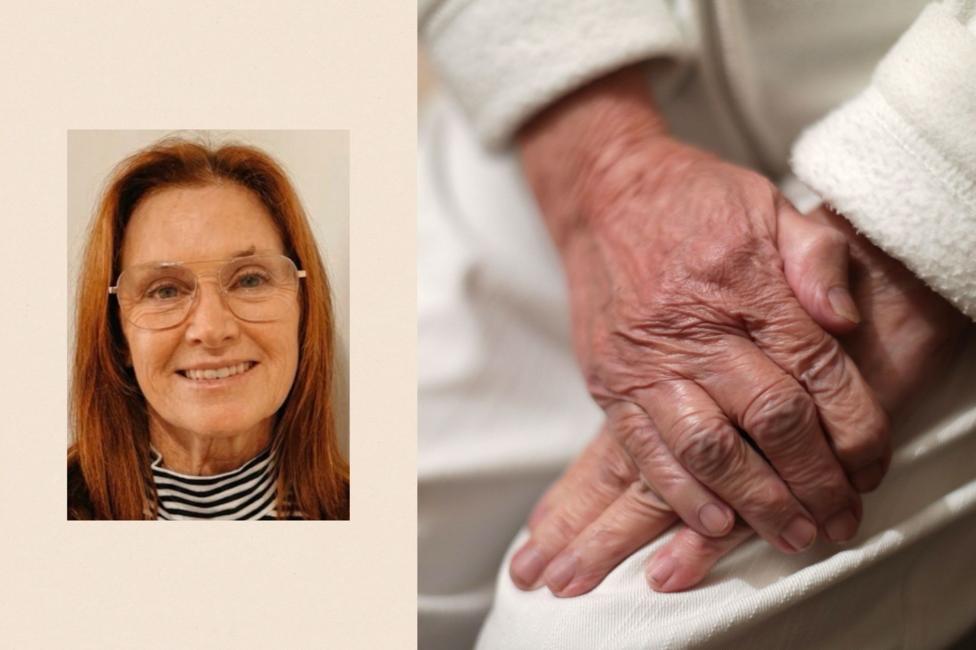 Image source, Press Association
In her clinic, Louise Burns (left) helps patients who may be struggling with a recent diagnosis or who have noticed worrying symptoms
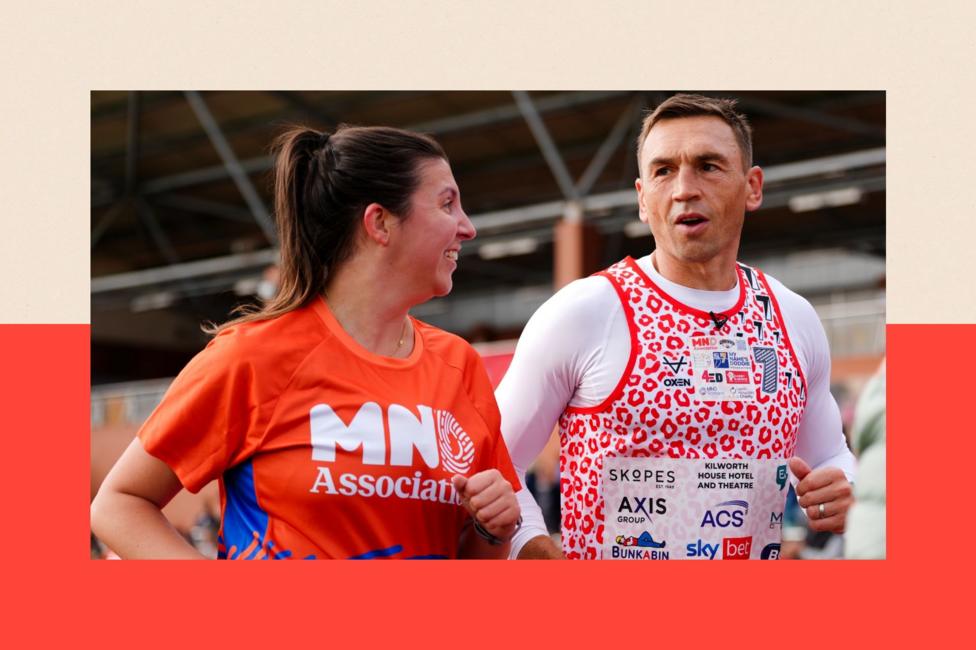 Image source, Press Association
Sir Kevin Sinfield (right) has helped raise millions for motor neurone disease patients