The key facts
- The EPPO is investigating possible fraud with EU funds allocated for upgrading safety systems on the Madrid — Seville line
- This is already the second such investigation: the first was opened in March after the January accident with 46 deaths
- Applications for compensation for the Urda crash are accepted until February 5, 2027
Second investigation into the same line
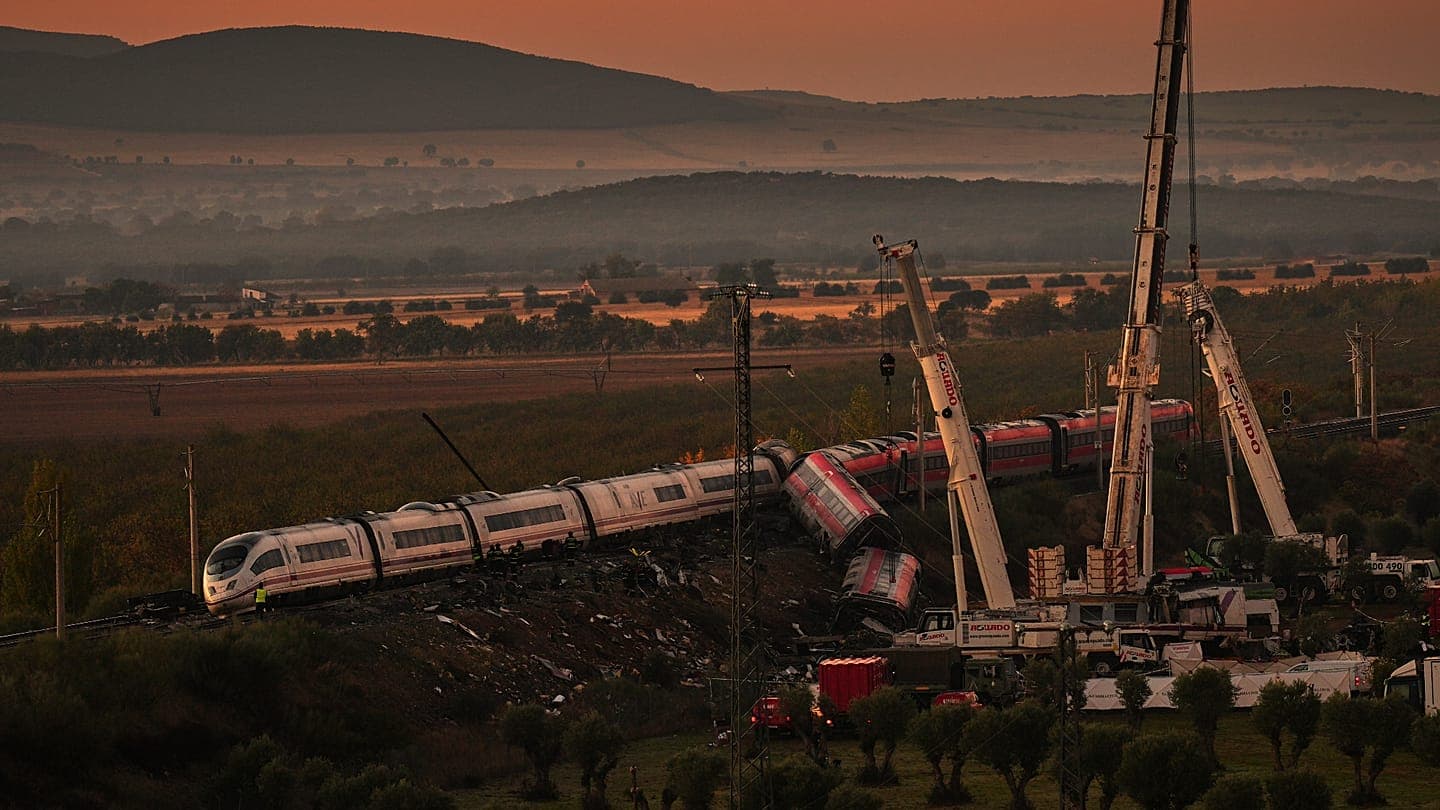
The European Public Prosecutor's Office (EPPO) has opened an investigation into possible fraud involving EU funds allocated for the reconstruction and modernization of the Madrid — Seville high-speed line. The trigger was the October 28 crash near the town of Urda in the province of Toledo, where a Renfe AVE train rammed into a stationary Iryo train ahead of it; 69 people were killed and more than a hundred were injured. This was reported by euronews citing an EPPO statement.
What is known about the investigation
According to the EPPO, the case was opened on the prosecutor's own initiative and concerns the Railway Infrastructure Administrator, the State Railway Safety Agency and the Court of Auditors; the Spanish authorities have already begun gathering evidence. It concerns European money intended for upgrading safety, signaling and communications systems on the line: in 2024, 111 million euros from the Regional Development Fund were allocated for its reconstruction.
A series of disasters and political consequences
This is already the second EPPO investigation into this line: a similar case was opened in March after the January accident that claimed 46 lives. Thus, two disasters on the same route within a year have killed more than 100 people. After them, Óscar Puente left the post of transport minister. The outlet notes that the latest crash could affect Prime Minister Pedro Sánchez's rating ahead of the general election on November 29 — this is euronews' assessment, not an established fact.
Compensation for victims
Spain's Ministry of Transport has announced the start of accepting applications for compensation related to the Urda crash. Victims and families of the deceased can submit documents in person or via the ministry's online portal until February 5, 2027. The assistance includes non-repayable direct payments for urgent needs and advance payments on future compensation. Support offices have been set up at the regional and subregional levels, and those who cannot reach them due to health or limited mobility will receive help at home.