The key facts
- AACO forecasts a net loss of $4.3 billion (€3.82 billion) for its 39 member airlines in 2026 and a 5.2% decline in cargo traffic
- AACO forecasts a net loss of $4.3 billion (€3.82 billion) for its 39 airlines in 2026 and a 5.2% decline in cargo traffic
- The share of fuel costs for AACO members will rise from 27.9% in 2025 to 37.3%
- The share of fuel costs among AACO members will rise from 27.9% in 2025 to 37.3%
- AACO adopted a resolution against extending the ETS to flights from the EEA to third countries within a 5,000 km radius of Frankfurt by 2029
Loss forecast and rising fuel costs
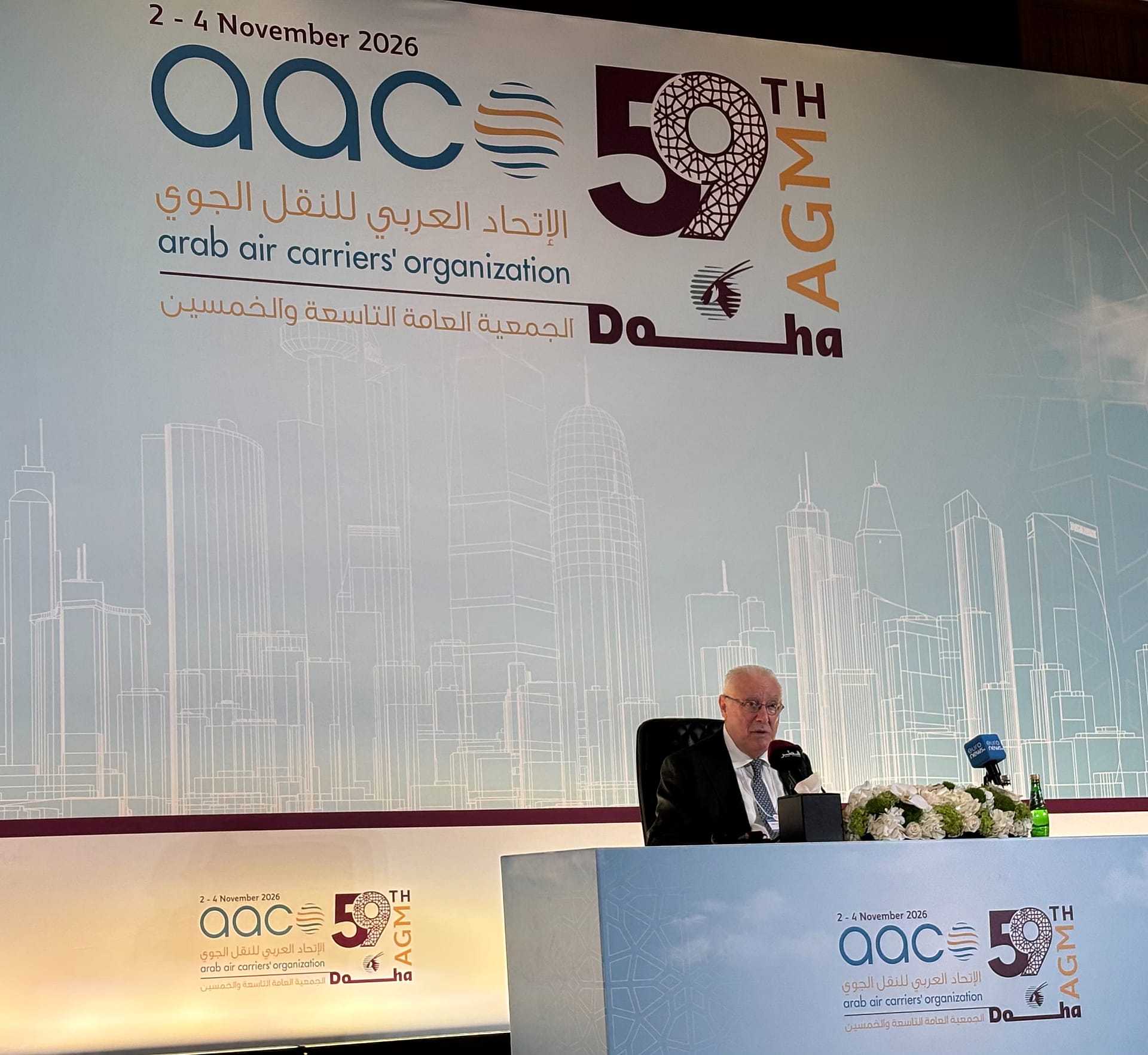
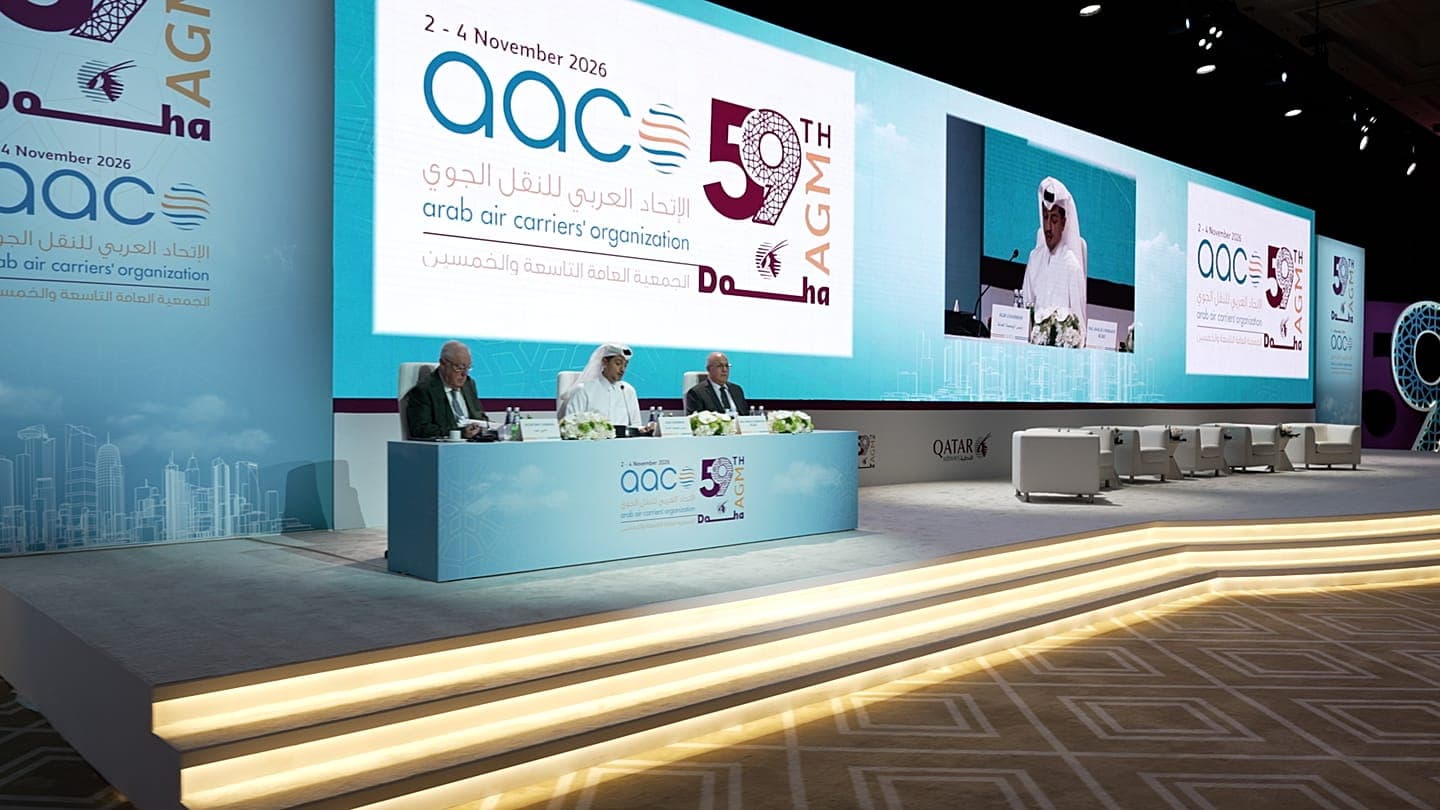
The Arab Air Carriers Organization (AACO), which unites 39 airlines from the Middle East and North Africa — including Qatar Airways, Emirates, Etihad Airways and Gulf Air — presented its 2026 report at its annual general meeting in Doha. According to the forecast, member airlines will post a net loss of $4.3 billion (€3.82 billion), while air cargo volumes will decline by 5.2%. Euronews reports this, citing the AACO report.
Reasons for pressure on the industry
The report links the pressure on regional carriers' balance sheets to 'geopolitical uncertainty' and 'fluctuations in financial conditions'. The performance of individual airlines, AACO notes, will 'vary significantly depending on hub locations and involvement in markets affected by conflicts'. The cost structure is changing noticeably: while fuel accounted for 27.9% of AACO members' operating expenses in 2025 (25.4% for the industry as a whole), in 2026 this figure is forecast at 37.3% for members and 31.4% for the industry. At the same time, the organization emphasizes that the industry in 2026 is 'expected to remain profitable', albeit at a slower pace. Global net profit for the aviation industry is forecast to fall to approximately $23 billion (€20.5 billion) — the lowest level in 12 years, excluding the COVID-19 period and its aftermath.
Dispute over the European emissions trading system
A separate topic at the meeting was regulatory pressure from the EU. Arab carriers expressed concerns about the European emissions trading system (ETS), which, in their view, may create unfair additional costs. AACO Secretary General Abdul Wahab Teffaha told Euronews Travel that the issue is one of 'sovereignty': in his words, the EU is entitled to set itself goals beyond those agreed with ICAO, but extending the ETS to flights departing from the European Economic Area and arriving in third countries within a 5,000 km radius of Frankfurt airport by 2029 amounts to 'extraterritoriality, an encroachment on the sovereignty of others', undermining the Chicago Convention. According to him, this affects countries from Turkey through Iraq to Dubai, as well as Sudan, Egypt and Morocco. The meeting adopted a Resolution on Aviation and the Environment opposing such an expansion. Teffaha also pointed to the risk of double costs: the existing CORSIA scheme already obliges airlines to offset part of the emissions from international flights, and if the ETS and CORSIA do not recognize each other's charges, carriers will have to pay twice. For context: the aviation sector was included in the EU ETS on 1 January 2012, but the application of the system to flights to and from countries outside Europe was suspended later that same year.
Cooperation and growth plans despite difficulties
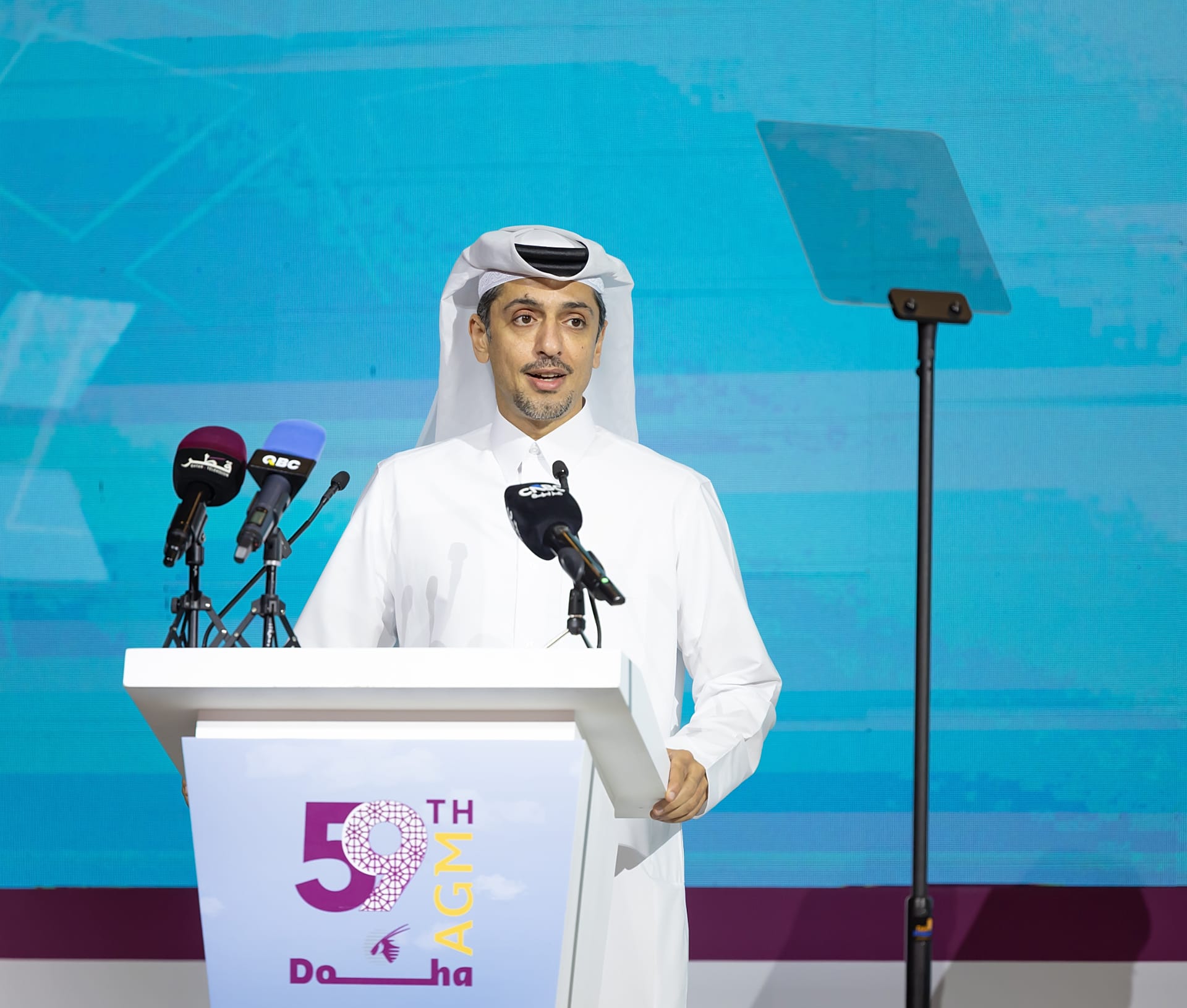
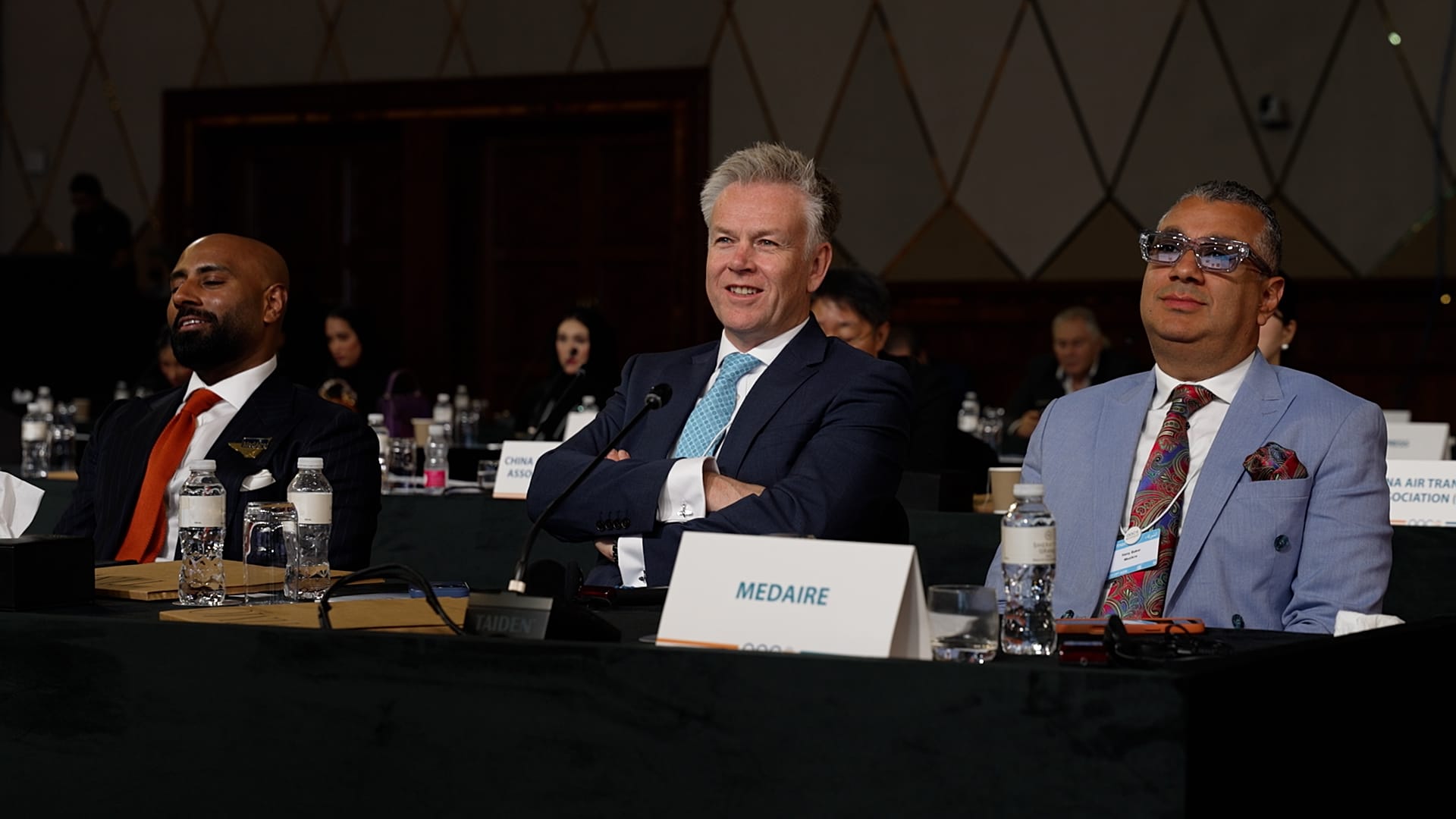
The three-day meeting, hosted by Qatar Airways under the chairmanship of its CEO Hamad Al-Khater, brought together more than 200 industry executives, including representatives of Amadeus and SITA. Al-Khater said the sector supports up to four million jobs in the Middle East and contributes $290 billion (€258 billion) to the regional economy, and that by 2043 this figure should grow to $730 billion (€649.9 billion). During the event, AACO and SITA signed a memorandum under which the WorldTracer Bag Mate service for handling mishandled baggage becomes available to member airlines. Despite the difficulties, carriers continue to expand their presence in Europe: Qatar Airways Vice President Sheikh Jassim Fahad Al-Thani described Europe as a 'key market' and announced increased flights to London Heathrow and Frankfurt, while Emirates operated its first flight to Helsinki in October, adding a daily route to its Northern European network (Copenhagen, Oslo, Stockholm). Emirates Deputy President Adnan Kazim said the airline continues to modernise its fleet, backed by $7 billion (€6.2 billion) in investments: 'Dubai has never halted projects.' Hany Bakr of MedAire, which works with more than 250 airlines, also spoke about the pressure of regional instability on operational planning: according to him, the region is going through a 'very volatile' period with 'direct threats' to the industry.