The key facts
- In Denver and Washington, D.C., voters were deciding on initiatives to ban the force-feeding of birds and the sale of foie gras.
- The initiatives are linked to the animal protection group Pro-Animal Future.
- The elections took place the day before; the new 120th Congress will begin work on January 3, 2027.
Initiatives against the backdrop of the midterm elections
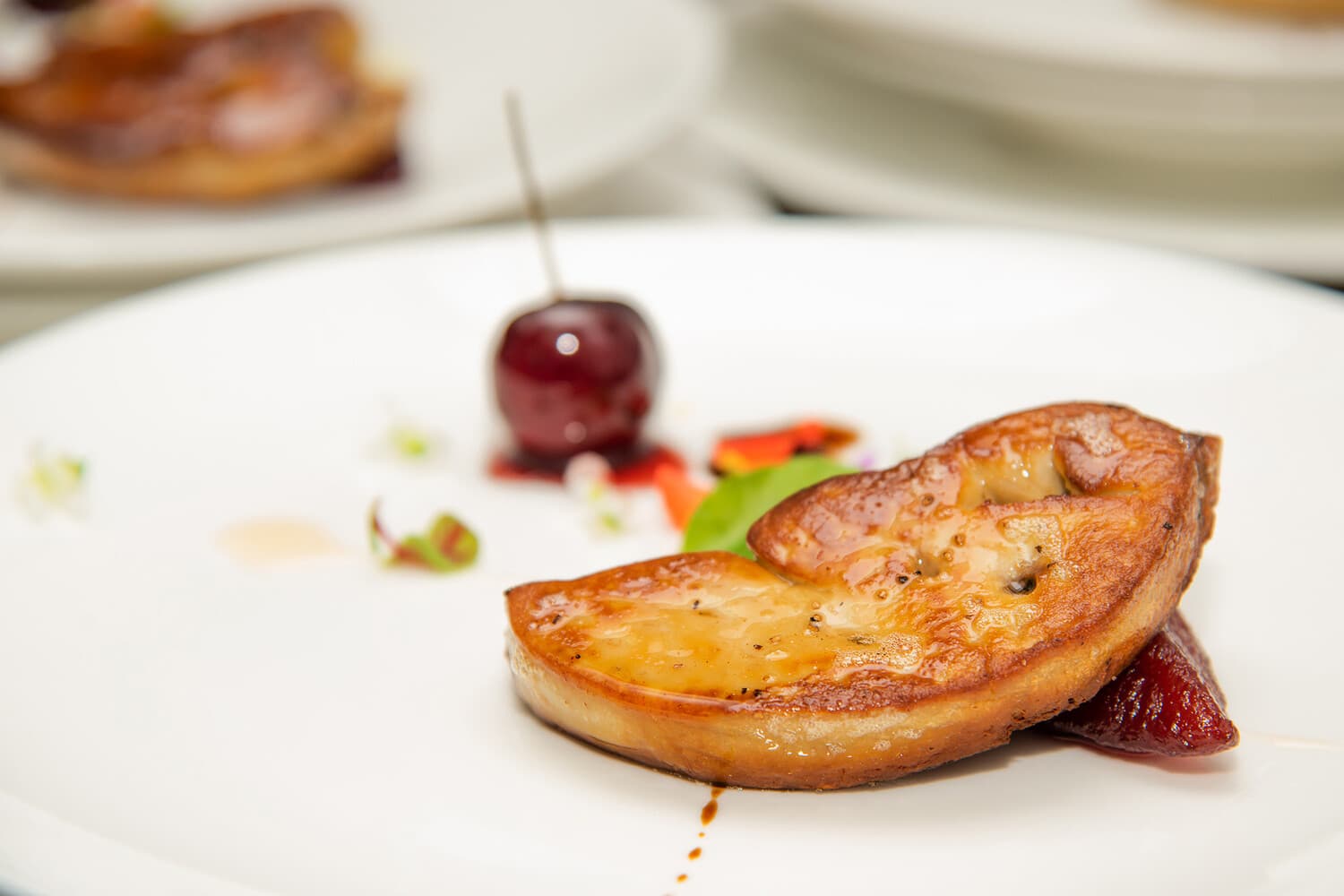
The US congressional midterm elections could affect not only the balance of power in the legislature, but also the fate of foie gras — the liver of a fattened duck or goose, which is often produced by force-feeding the bird. This was reported by the outlet Rapporteur, noting that European producers of the product were following Tuesday's vote, when voters in Denver and Washington, D.C., were deciding the fate of initiatives to restrict the production and sale of this delicacy.
The essence of the initiatives
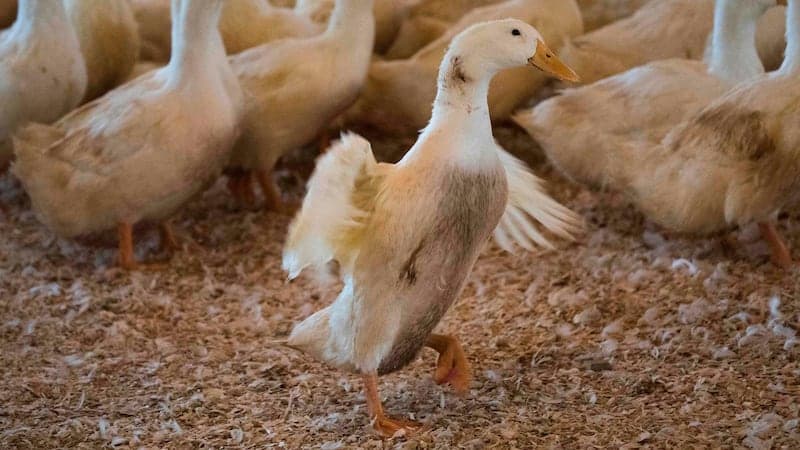
As reported, in the US local campaigns associated with the animal protection group Pro-Animal Future put forward two initiatives: Ordinance 311 in Denver and Initiative 86 in Washington, D.C. Both called for banning the force-feeding of birds and the sale of products made using this practice. The force-feeding practice itself has long been criticized by animal protection organizations.
Election context
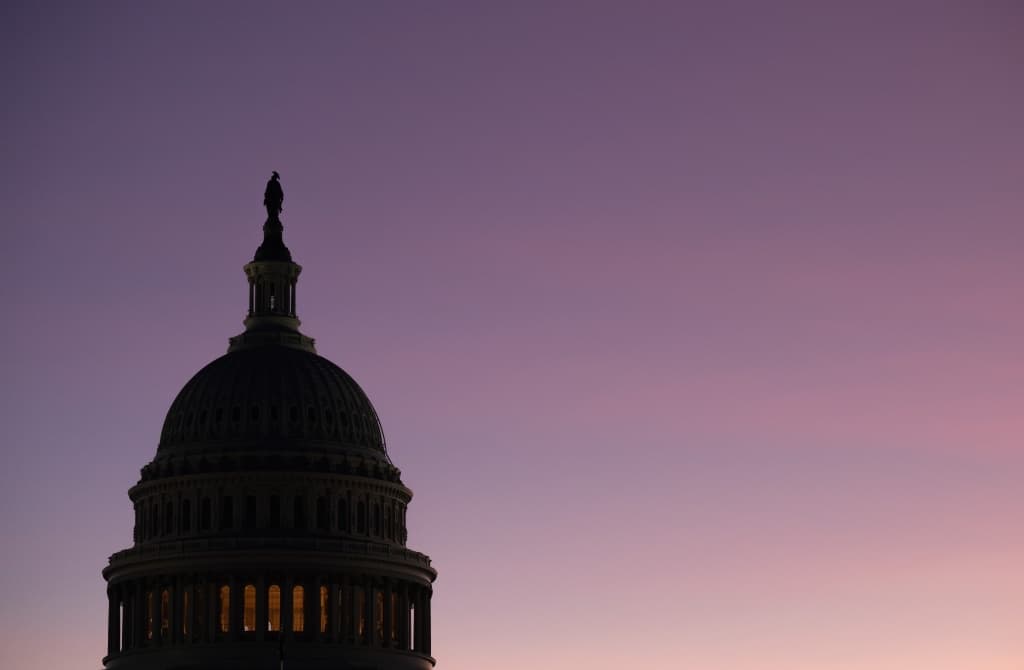
The day before, the US held congressional midterm elections: one third of the Senate, the entire House of Representatives, and governors in 36 states were up for election. Before the elections, both chambers were controlled by the ruling Republican Party. As a result, the 120th Congress will be formed, which will begin work on January 3, 2027. Earlier, the US congressional elections were called a 'referendum' on trust in Trump. The results of the vote on the initiatives themselves in Denver and Washington are not given in available publications — it remains unknown whether the bans were adopted.