The key facts
- Democrats took both chambers of Congress and a number of governorships
- Total election spending reached a record $11.9 billion, up from $8.9 billion in 2022
- Latinos voted for Democrats 62% to 35%, and voters aged 18–29 voted 72% to 25%
'Wave' elections: Democrats take back Congress
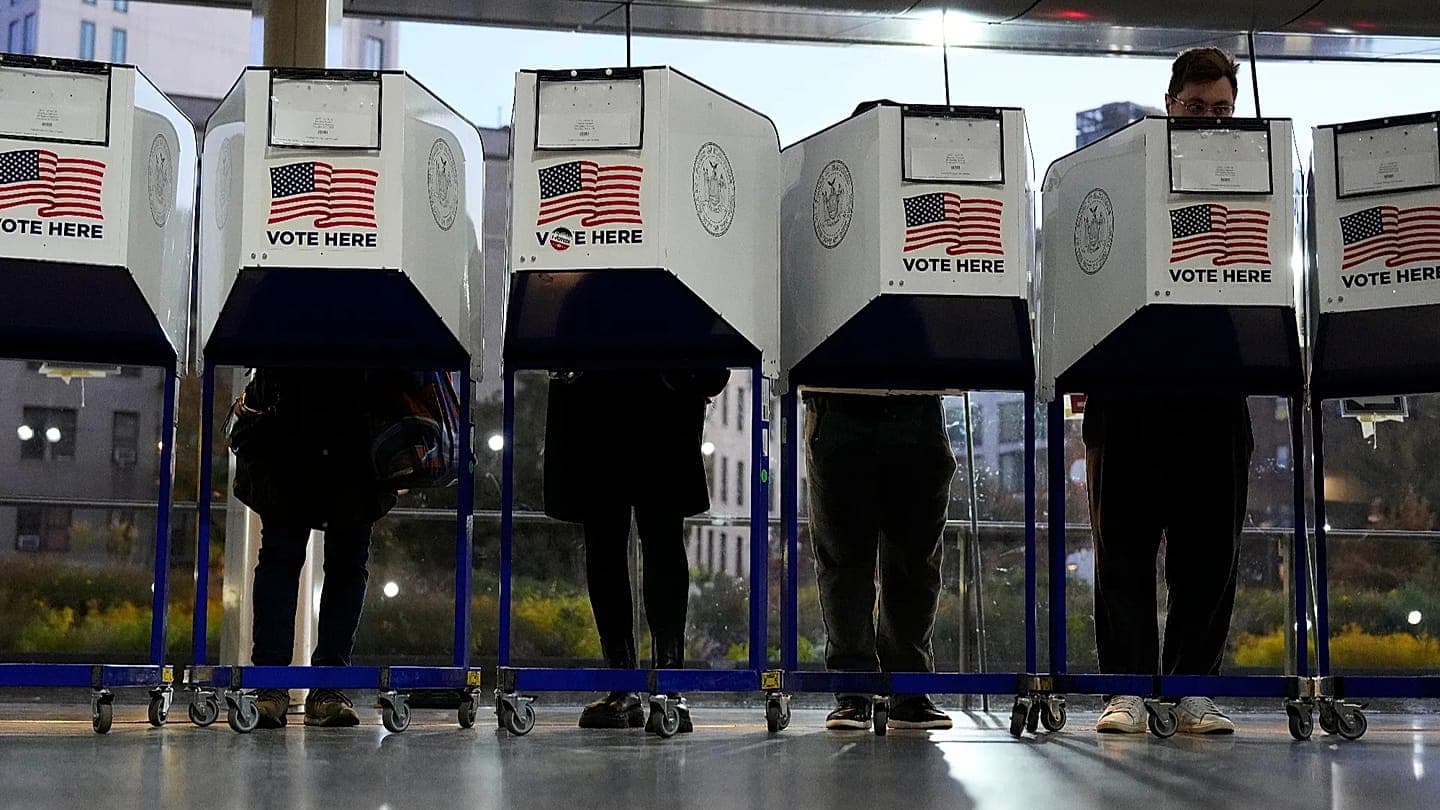
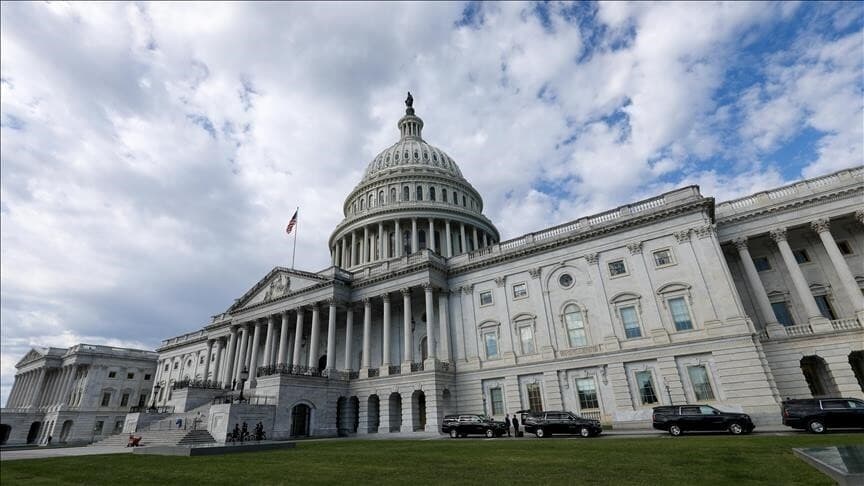
Democrats won a decisive victory in the US midterm elections held on Tuesday, retaking control of both chambers of Congress as well as a number of governorships. AFP characterizes the result as 'wave' elections and a sharp rejection of Donald Trump's political course. The final turnout had not yet been tallied at the time of publication, but before Election Day Americans had cast more than 61.7 million votes — according to the University of Florida (Election Lab), that is an all-time record for early voting in a midterm election. Early voting is traditionally used more heavily by Democratic supporters, and NPR reported high turnout among African Americans, young voters and other groups that usually vote Democratic.
Record spending and candidate campaigns
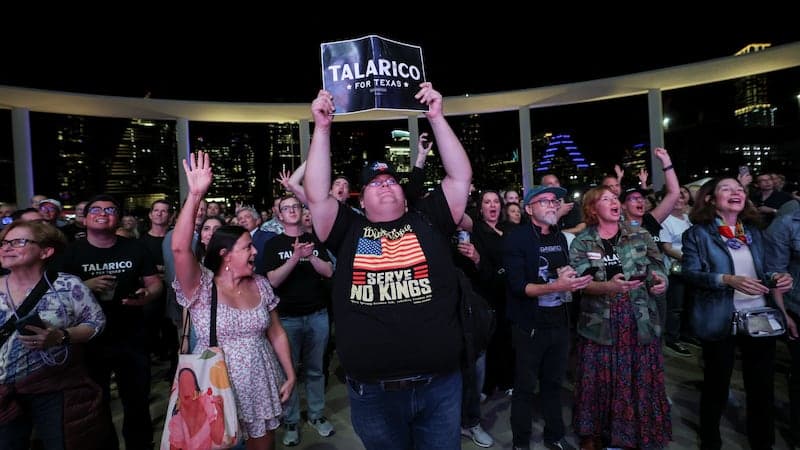
Total spending on the 2026 elections reached a record $11.9 billion, compared with $8.9 billion in 2022 — according to OpenSecrets, an independent organization that tracks spending in American politics. The increase was driven in part by outside spending by political committees, which, according to AFP, supported Republicans by roughly $360 million and were led by Trump ally billionaire Elon Musk. However, Democratic candidates proved stronger at raising money on their own: House and Senate candidates spent an unprecedented $3.7 billion from their own campaign funds, outpacing Republicans by $800 million. Texas is a telling example: Democrat James Talarico raised a record $145 million — several times more than the $22 million of his Republican rival Ken Paxton, who had to rely on outside funding groups.
Historic upsets in the states
The night brought several upsets that broke long-standing state traditions. In Kansas, Democrat Adam Hamilton — a pastor at a Methodist megachurch who until recently was registered as a Republican — defeated incumbent Republican Senator Roger Marshall and became the first Democrat to win a Senate election in this predominantly rural, conservative state since 1932. In Texas, Talarico took a Senate seat from the Republicans for the first time since 1988 — a year before his own birth. In South Carolina, Democrat Annie Andrews edged out Senator Darlene Graham, who had been appointed earlier this year to the seat of her late brother Lindsey Graham; a Democrat had not been elected to the Senate from that state since 1998.
Key voter groups turn away from Trump
According to exit polls, two groups crucial to Trump — young men and Latino voters — turned sharply away from the president and the Republican Party. According to Pew Research, in the 2024 elections Latinos supported Kamala Harris only by a narrow margin — 51% to 48% — while in 2016 and 2024 they played a notable role in Trump's victories. In recent weeks, AFP notes, some Latino voters publicly expressed a sense of betrayal. In NBC News exit polls on Tuesday, Latinos backed Democrats by a margin of 62% to 35%. Voters aged 18–29, according to the same exit polls, voted for Democrats 72% to 25% — a sharp shift compared with 2024, when young voters were split between Trump and Harris.