The key facts
- Talks on Ukraine's post-war reconstruction were held in Brussels with the participation of the United States, Germany, France, the United Kingdom, NATO and the World Bank
- Since the start of the war, the EU has provided Ukraine with 231.5 billion euros ($260 billion)
- The meeting built on the 'prosperity framework' previously developed with Ukraine and the United States
Talks in Brussels
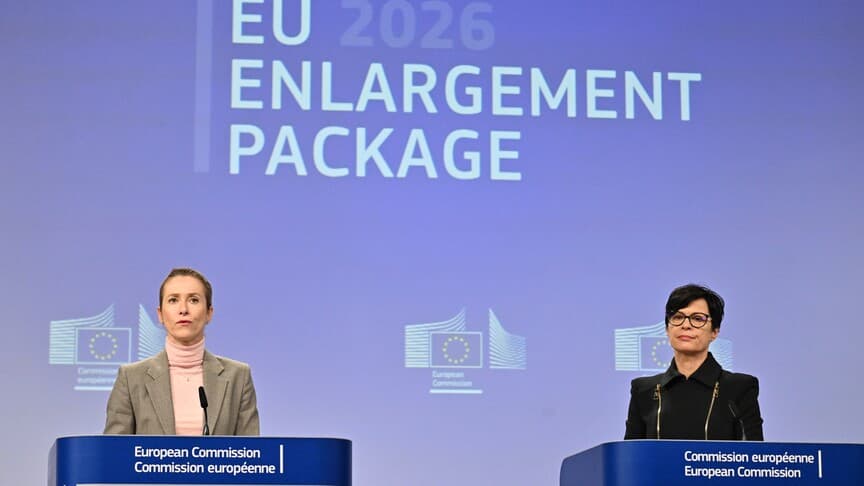
On November 4, the European Commission held talks in Brussels with Ukraine and international partners on the country's post-war reconstruction and economic development, as part of efforts to ensure a sustainable peace. According to Anadolu, citing a statement by the European Commission,the meeting with delegations from Ukraine, Germany, France, the United Kingdom and the United States, as well as representatives of NATO and the World Bank, continued a series of recent consultations held in Miami.
What was discussed
According to the European Commission, the work was aimed at 'refining scenarios for Ukraine's post-war economic development and prosperity,' including the search for tools and mechanisms that could support the country's future development and its own efforts. The meeting was intended to build on the 'prosperity framework' developed earlier this year jointly with Ukraine and the United States. Participants also emphasized the importance of the 'ambitious reform agenda' that Ukraine is implementing as part of its EU accession process: in the European Commission's assessment, this agenda is a key factor of stability, boosts investor confidence, and helps attract private capital and continued international support.
The scale of EU support
The European Commission reaffirmed its support for Kyiv, noting that since the start of Russia's war with Ukraine, the EU has provided 231.5 billion euros (about $260 billion). 'While efforts to achieve a durable peace for Ukraine continue, EU support for strengthening Ukraine continues as well,' the statement said. No specific decisions or commitments resulting from the meeting were reported; the statement describes the meeting as a stage in working out scenarios and tools, rather than the adoption of final agreements.