The key facts
- The UK government has introduced the Energy Independence Bill, which will strip the North Sea Transition Authority of the power to issue new oil and gas exploration licences in the North Sea.
- The bill does not affect the decision regarding the Rosebank field (estimated at 300–500 million barrels), which was previously approved by the Conservative government; the government also recently approved gas extraction at the Jackdaw field.
- The legislation abolishes gas standing charges, accelerates grid connections, and establishes an Energy Wealth Fund with an initial capital of £2 billion derived from extraction taxes to support renewable and low-carbon energy.
Ban on new licences and the Rosebank exception
The UK government has introduced the Energy Independence Bill, which will deprive the North Sea Transition Authority of the authority to issue new licences for oil and gas exploration in the North Sea. Authorities describe this as fulfilling a promise from the 2024 Labour manifesto and a step towards goals to curb global warming. This is reported by BBC News.
What else does the bill contain
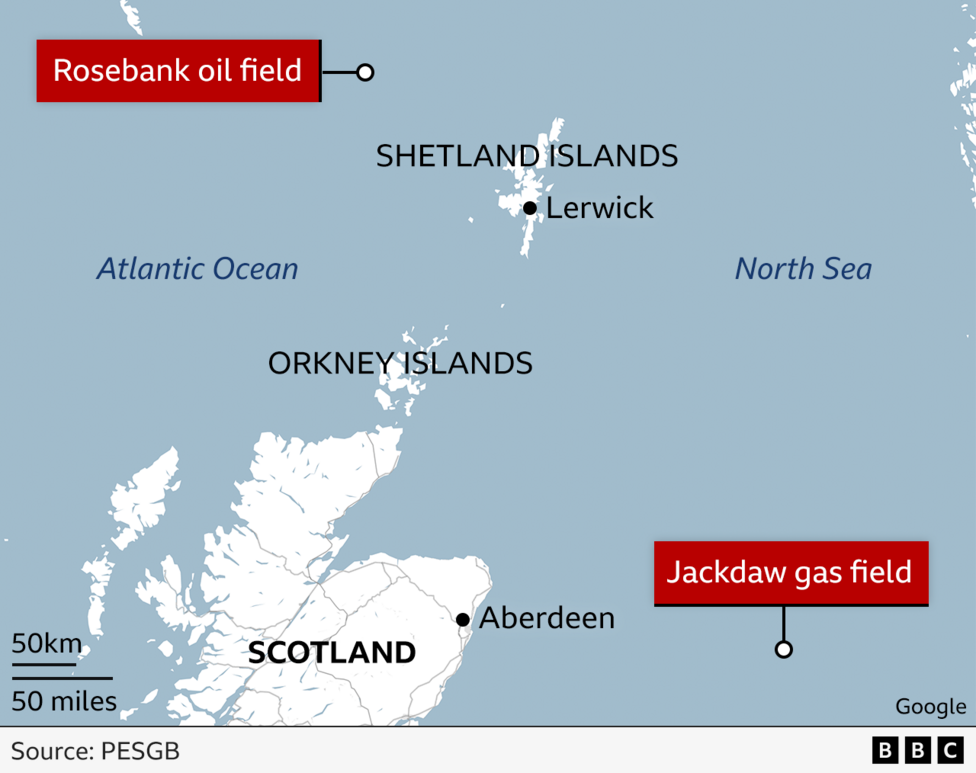
Key caveat: the ban does not affect the decision on Rosebank near the Shetland Islands—the country's largest known undeveloped field, estimated to contain 300–500 million barrels of oil. It was approved in 2022 by the previous Conservative government, but following lawsuits from environmental groups, Labour ministers had to reconsider its fate. The same situation arose with the Jackdaw gas field off the coast of Aberdeen, whose extraction the government approved two weeks before introducing the bill, arguing it would heat millions of homes; environmentalists stated that the decision would harm the fight against climate change and fail to improve energy security.
Compromise for existing fields
In addition to the ban, the bill introduces Transitional Energy Certificates: existing fields will be able to extract additional oil and gas 'in border areas or in immediate proximity to already licensed fields' or within the boundaries of existing fields. According to government estimates, this will yield around 60 million barrels and support hundreds of jobs. The bill also abolishes gas standing charges, provides for reforms to accelerate grid connections, and establishes an Energy Wealth Fund with an initial volume of £2 billion from tax revenues generated by extraction—funds will be directed towards renewable and low-carbon energy. Prime Minister Andy Burnham statedthat the changes will 'reduce bills once and for all', while Energy Secretary Miatta Fahnbulleh said the bill will help build 'a clean energy future that people will feel in their pockets'.
Reaction: from Greenpeace to the industry
The reaction was divided along familiar lines. Greenpeace UK called the bill a 'positive step' towards clean energy, but demanded the rejection of Rosebank: according to the organization's political director Amy McCarthy, approving the field 'would destroy all the climate and social achievements of this bill'. Conservatives opposed it: shadow energy minister Andrew Bowie called Labour ministers 'completely out of touch with reality' and stated that one could immediately hang a 'closed for business' sign over Aberdeen and the North Sea. The industry took a middle position: David Whitehouse, head of Offshore Energies UK, supported the goal of energy affordability but reminded that Britain imports more than 40% of its required energy, while Russell Bortwick, head of the Aberdeen and Grampian Chamber of Commerce, deemed the winding down of extraction meaningless, as 'Britain will need oil and gas for decades to come'. The position of First Minister of Scotland John Swinney remains uncertain: he refused to say directly whether Rosebank should be approved, noting only that emissions from each project must be assessed for compatibility with the path to net zero.
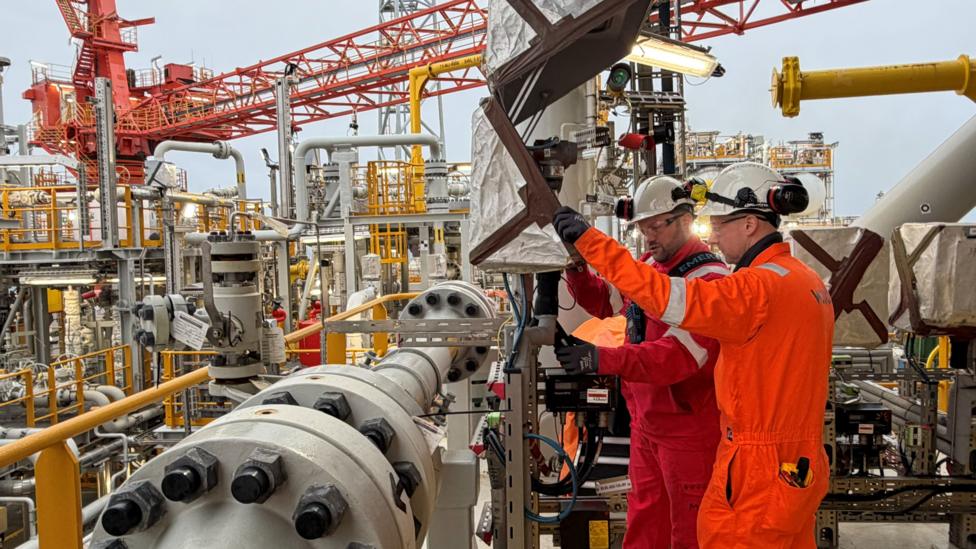
The new law would not affect the decision on whether to start production at the Rosebank site