The key facts
- The SBU detained two more protest participants; three people in total in the case, facing up to eight years in prison
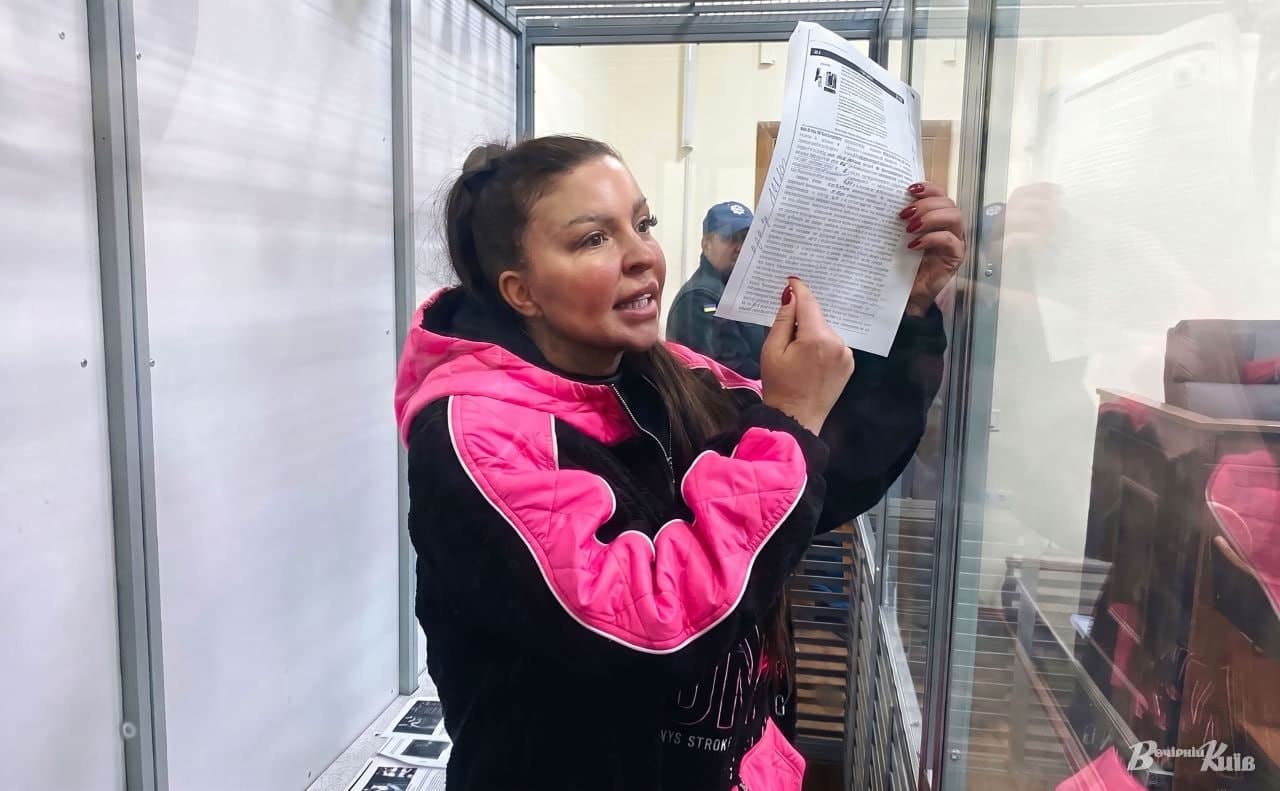
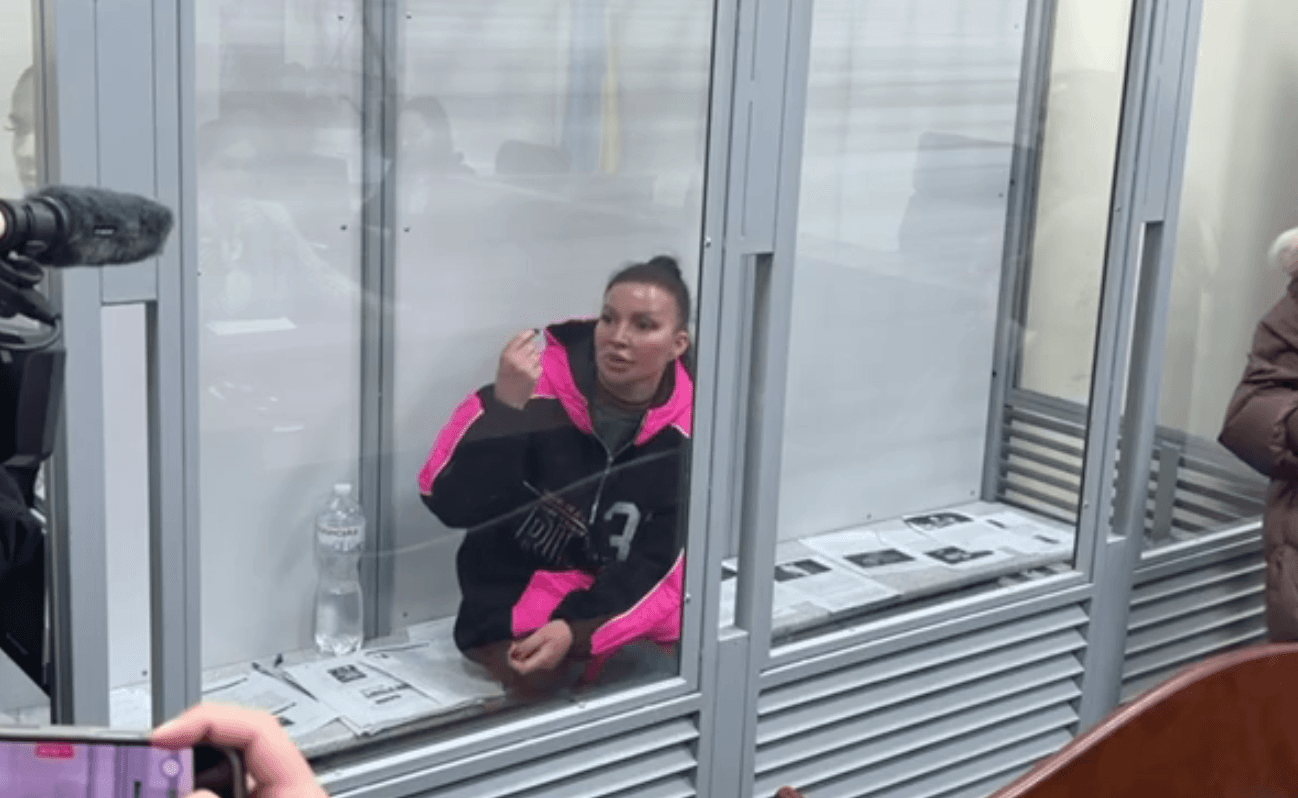
- Earlier, Valentyna Moloda, who arrived at the building in an ambulance, was remanded in custody without the right to bail
- 'Azov' confirmed injuries in four servicemen; the police deny the existence of a secret prison
New arrests in the protest case
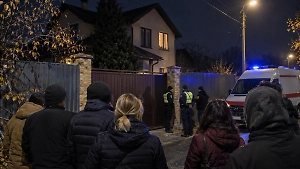
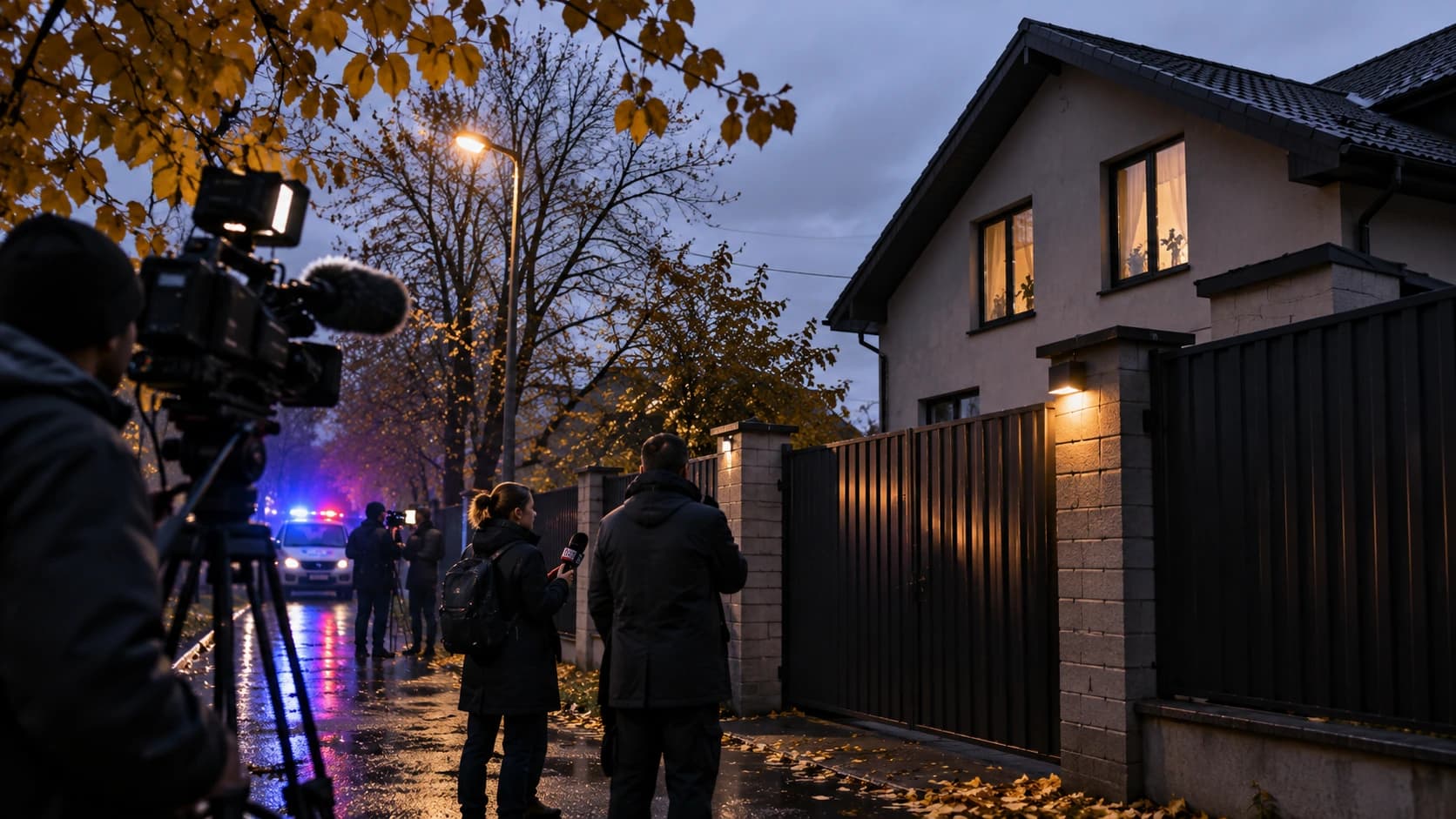
On November 4, the Security Service of Ukraine announced the detention of two more participants of the protest near the building of the 'Azov' unit in Petropavlivska Borshchahivka near Kyiv, where, according to witnesses, servicemen were illegally held and beaten. In total, three people have been detained in the case, facing up to eight years in prison, Life.ru reports.
Who was detained and what they are charged with
Earlier, Valentyna Moloda was remanded in custody without the right to bail — the woman who was among the first to arrive at the building in an ambulance and claimed that there were people with serious injuries inside who needed medical assistance. Now the ambulance driver who accompanied her and a participant in the clashes have been detained. According to the SBU, the driver had studied the area near the National Guard building even before the protests and then helped spread information on social media; the second detainee is accused of calling for blocking and damaging a National Guard bus. As for Moloda, the security service put forward a version of a pre-arranged operation to take a serviceman out under the guise of emergency medical care — allegedly commissioned by a local resident. All three were notified of suspicion of obstructing the lawful activities of armed formations and unlawfully disseminating information about their locations; investigators are seeking pre-trial detention for the two newly detained and are preparing charges against another participant of the action.
What is known about the origin of the scandal
The scandal itself began with reports of torture of servicemen in the building. Representatives of 'Azov' confirmed that four servicemen who had been there had injuries and promised to punish those responsible if the investigation establishes facts of unlawful use of force. The Ukrainian police, however, rejected claims about the existence of a secret prison. Separately, a 14-year-old teenager said that people in black clothes and balaclavas knocked him down with a shovelwhen he climbed onto the fence of a house, after which, according to him, about ten people beat him with their feet, fists and shovels; before his release, he was allegedly given an unknown pill. After the incident, the boy ended up in hospital with rib and finger injuries and a damaged tooth. Thus, at this point, injuries have been confirmed in four servicemen, while the claims about a secret prison and the circumstances of the teenager's injuries remain the subject of conflicting statements by the parties.