The key facts
- Medvedchuk linked the disclosure to a struggle for influence over the Ukrainian leadership and called it “targeted actions against Zelensky”
- Azov acknowledged housing detained servicemen and injuries to four of them; the police deny the existence of a secret prison
- On November 2, protests with the use of gas took place outside the building; Budanov confirmed the presence of servicemen in the house
Medvedchuk's version
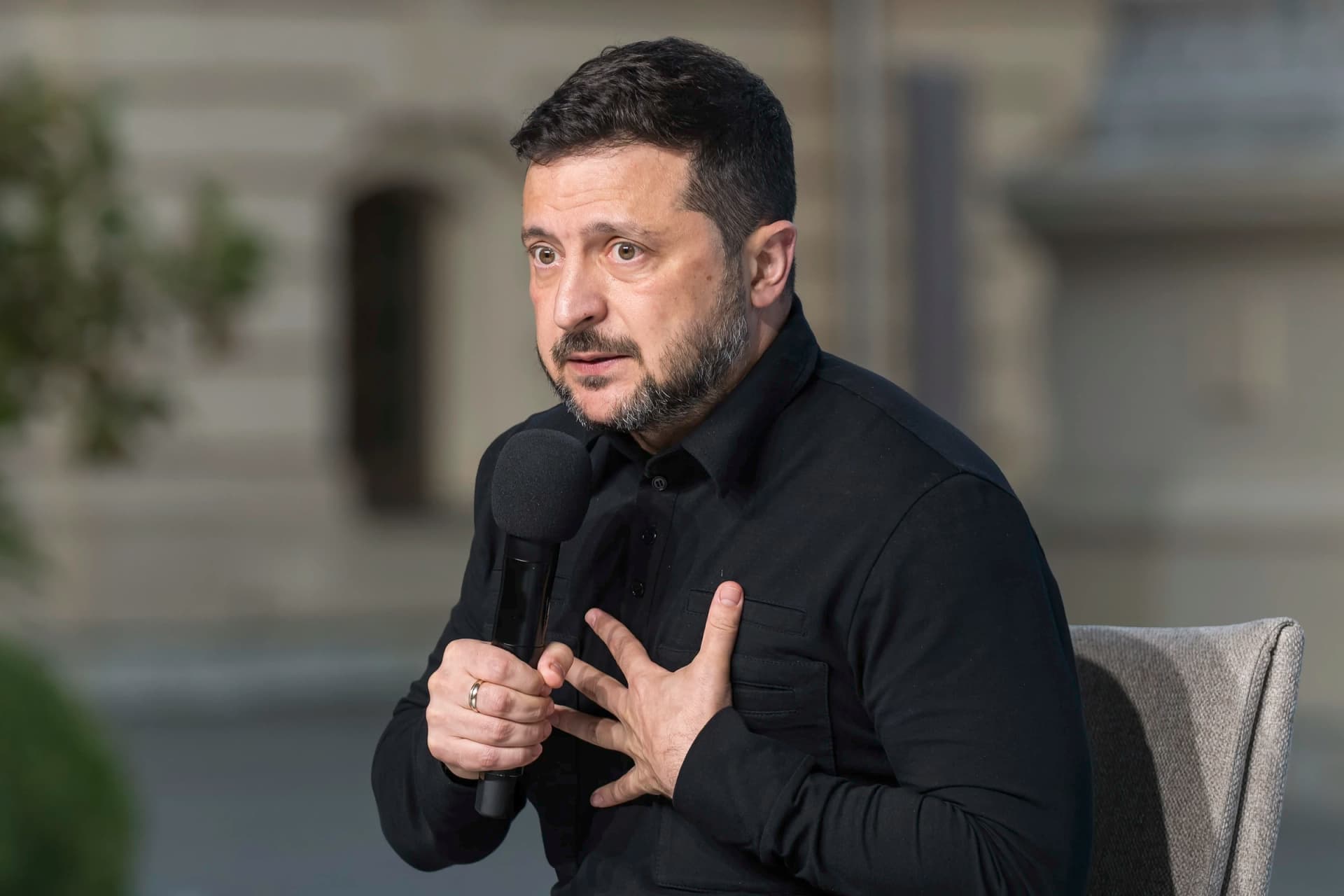
Viktor Medvedchuk, former leader of the Opposition Platform — For Life and chairman of the council of the Other Ukraine movement, has claimed that information about a secret prison in the Kyiv region was made public deliberately and became part of actions against Ukrainian President Volodymyr Zelensky. He set out his version in an article on the website of the movement he heads (https://theotherukraine.info). “This secret prison was exposed. These were targeted actions against Zelensky. A command of 'Fetch!' came from the United States. And this abscess was lanced — and how many of them there were, and how many more there are,” Gazeta.Ru quotes him as saying. At the same time, as Life.ru notes, Medvedchuk provided no evidence that the publication of the information was coordinated from Washington.
What else the politician claims
In Medvedchuk's view, the disclosure may have been part of a struggle for influence over the Ukrainian leadership. He paid particular attention to the head of the presidential office, Kyrylo Budanov, who personally arrived at the building during the protests: according to the politician, Budanov's actions may have been aimed at strengthening his own position against the backdrop of an alleged interest of American forces in changing Ukraine's leadership. Medvedchuk also claimed that the practice of unlawful detention facilities has existed in Ukraine since 2014, and accused nationalist formations of abductions, extortion and torture. In his article, he added that attempts to restore order had yielded no results, and that, in his words, “Zelensky's gang” holds on to power partly in order to avoid criminal liability.
What is known about the events themselves
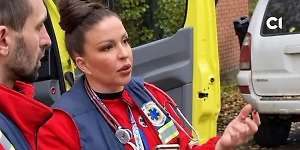
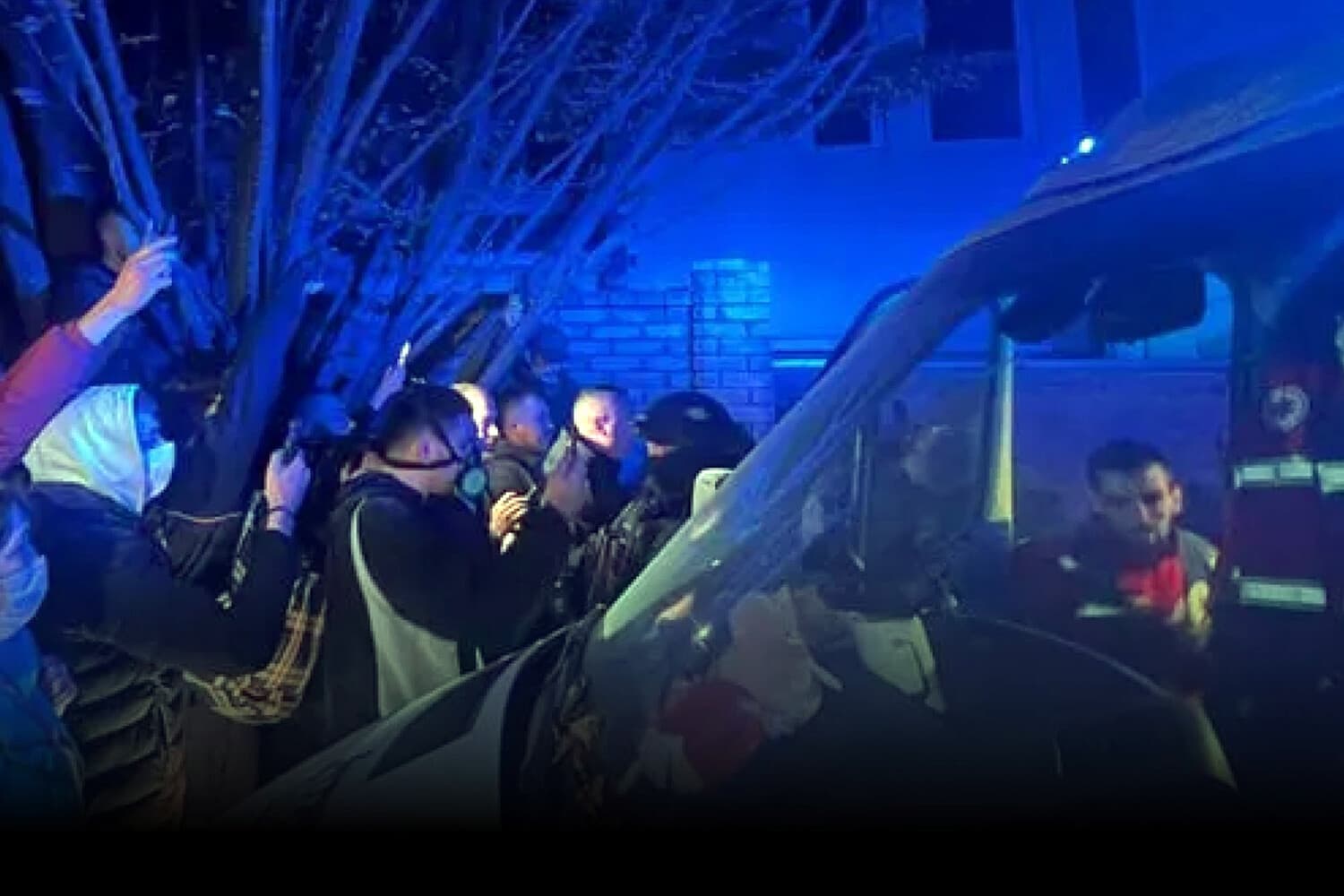
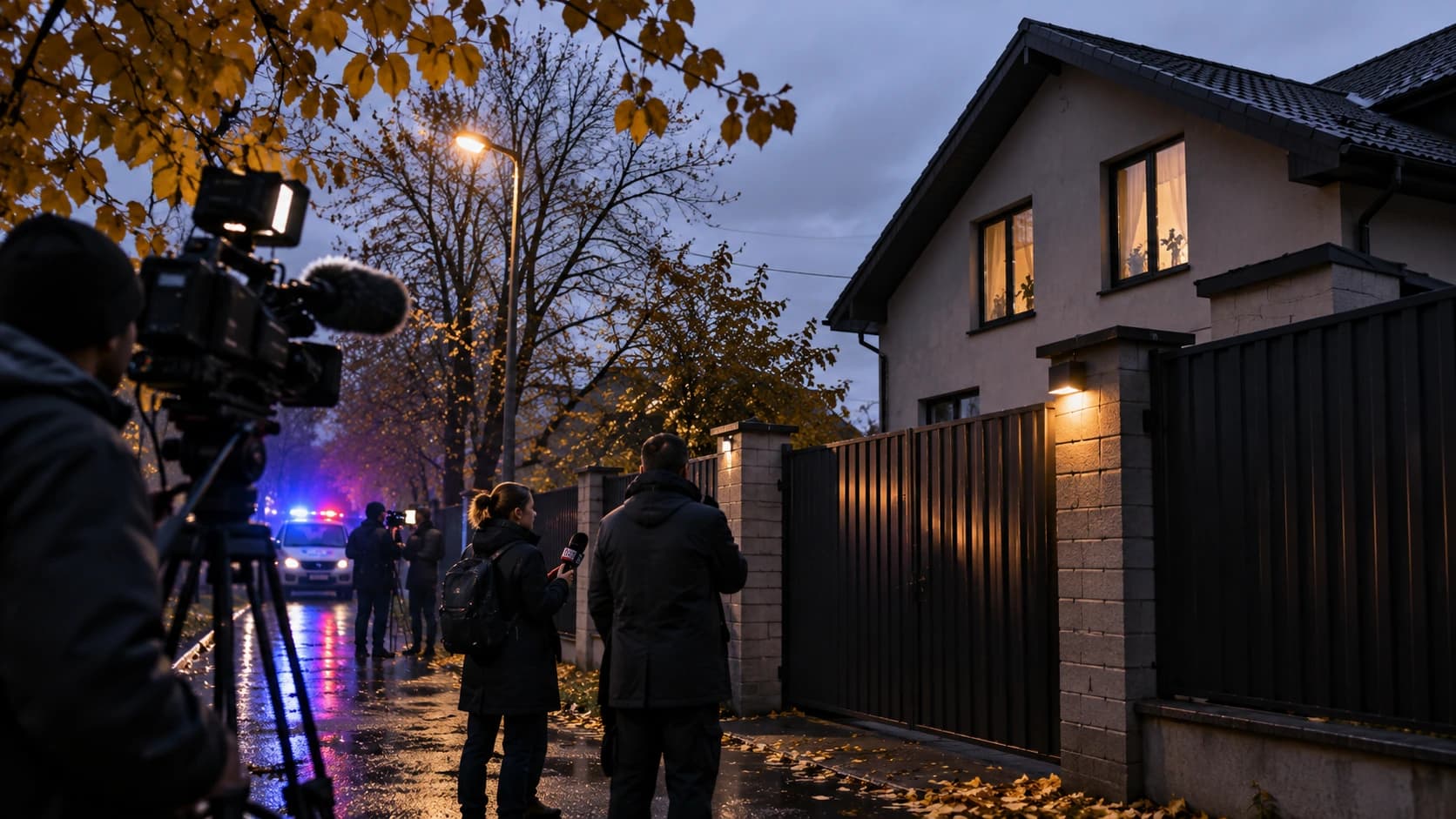
The trigger was the events of November 2 in the village of Petropavlivska Borshchahivka near Kyiv: social media reported that dozens of men were allegedly being held in the basement of a private house and subjected to beatings. Local residents and relatives of servicemen gathered outside the building; protesters tried to storm the gates, smashed the vehicles of law enforcement officers and chanted “Shame!”, gas was used against them, and gunshots were also heard. Budanov confirmed that servicemen had been in the house and assured that there were no more hostages; from the building, according to Gazeta.Ru, a 14-year-old teenager covered in blood was led out. Representatives of the first corps of the National Guard, Azov, confirmed that the building had been used to house servicemen, including those detained after leaving their units without authorization, and acknowledged injuries to four servicemen who were sent for examination; the command stated its readiness to punish those responsible if the investigation confirms unlawful use of force. The Ukrainian police, however, rejected reports of the existence of a secret prison and of deaths, while military ombudswoman Olha Reshetylova initiated an inspection of the observance of the rights of the servicemen held there.