The key facts
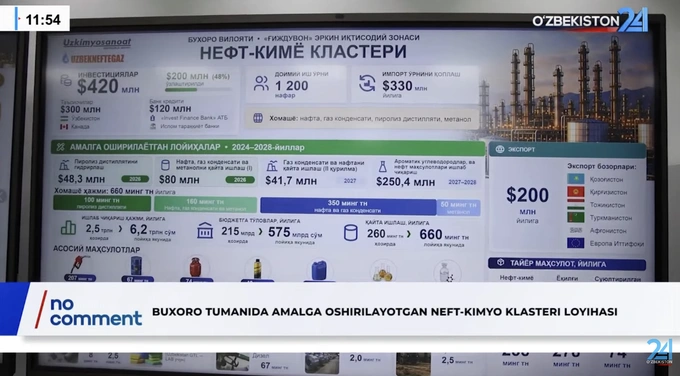
- The cluster's investment program for 2024–2028 is $420 million, with $200 million (48%) already spent
- Raw material processing is to grow from 260,000 to 660,000 tons per year, and output value from 2.5 to 6.2 trillion soums
- The number of jobs is planned to increase from 500 to 1,200; another project to process 150,000 tons of liquefied gas is under discussion
The president's visit and the scale of the program
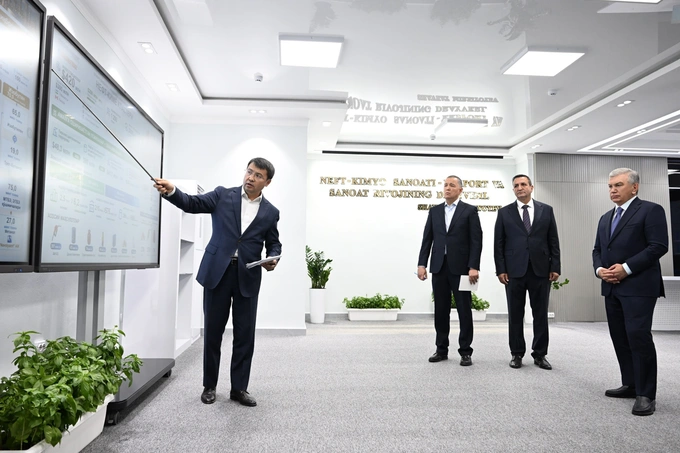
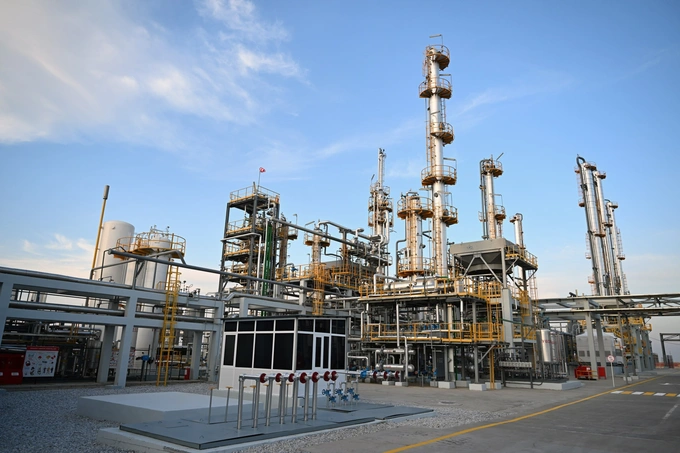
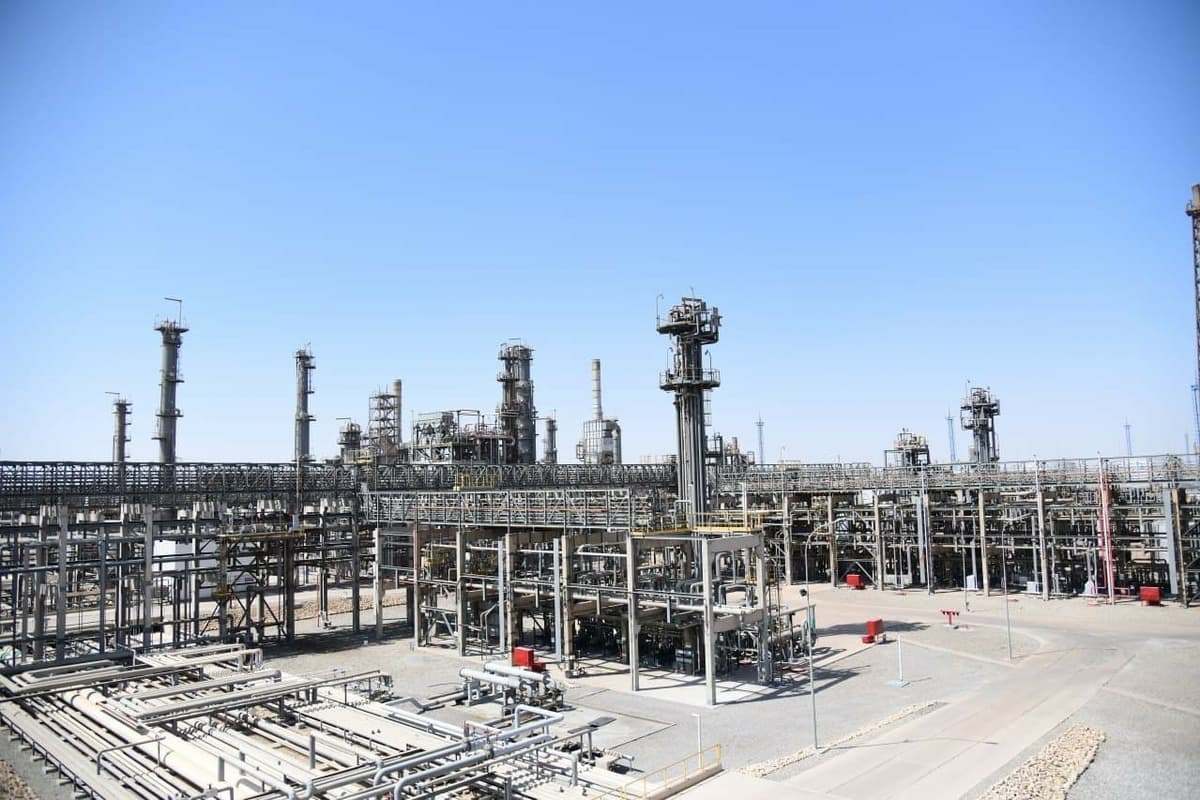
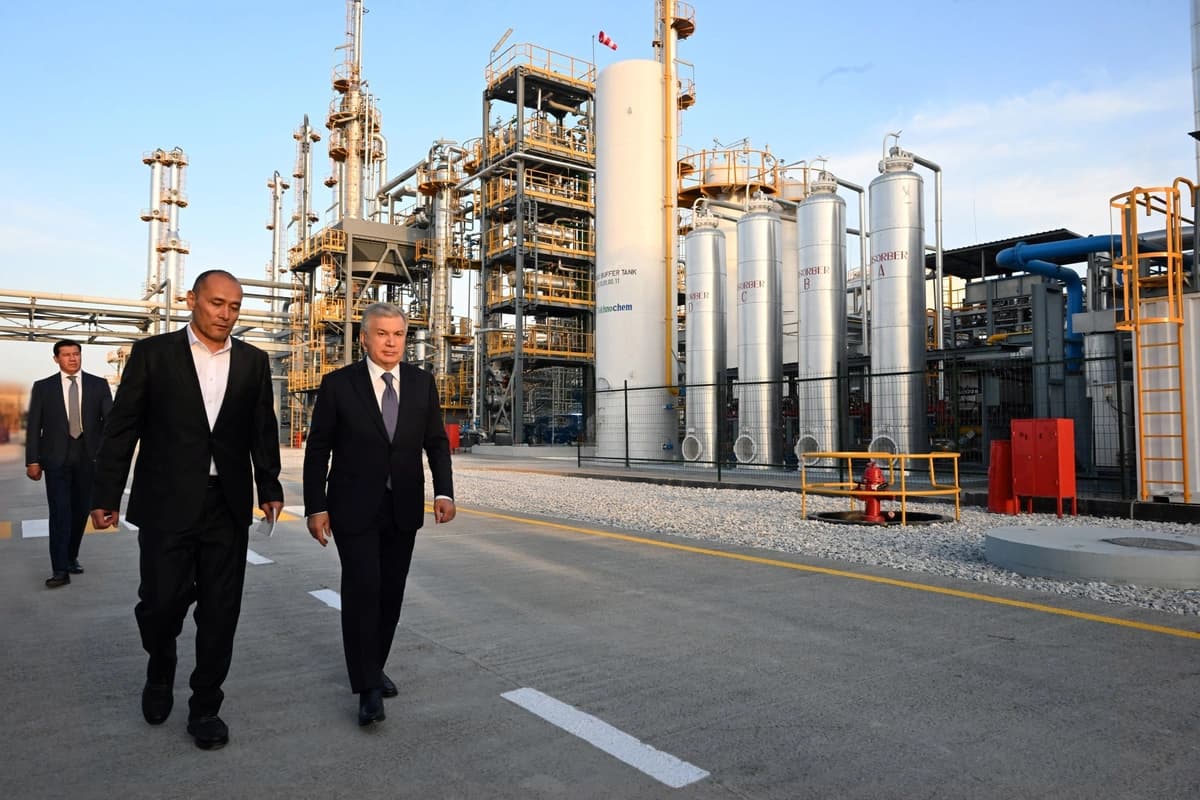
On November 3, President Shavkat Mirziyoyev visited the Tekhnochem enterprise in the Bukhara district, where he reviewed the operations of the petrochemical cluster and its expansion plans, Gazeta reported , citing a report by the Uzbekistan 24 channel and the presidential press service. The cluster is located within the Gijduvon free economic zone, covers 69 hectares, and employs about 500 people.
Financing and four projects
According to the presentation, the total cost of the investment program for 2024–2028 is $420 million, of which $200 million (48%) has already been spent. Notably, the $420 million is shown on the diagram as the cost of the entire program, not the amount invested — although the investor's representative, at the meeting with the president, called these $420 million 'total investments' and said the first phase was already operational. The financing consists of $300 million from founders from Uzbekistan and Canada and $120 million in bank loans; the lenders named are InfinBank and the Islamic Development Bank, with no breakdown between them provided.
What is already operating and what is under construction
The program includes four projects: hydrotreating of pyrolysis distillate ($48.3 million, 2026), the first processing unit for naphtha, gas condensate and methanol ($80 million, 2026), a second processing unit for gas condensate and naphtha ($41.7 million, 2027), and the production of aromatic hydrocarbons and petroleum products ($250.4 million, 2027–2028). The first two projects, worth about $128 million, make up the operating part of the complex; the remaining two, worth about $292 million, are planned for completion by the end of 2028, adding 400,000 tons of processing capacity per year. According to the enterprise's representative, the original goal was only the production of gasoline and diesel fuel, but work with partners from Russia and European countries revealed broader petrochemical opportunities.
Target indicators
Once all stages are completed, raw material processing is expected to grow from the current 260,000 to 660,000 tons per year, and the value of output from 2.5 to 6.2 trillion soums per year. The enterprise estimates budget revenues will rise from 215 to 575 billion soums, and the number of permanent jobs from 500 to 1,200. The cluster expects to export $200 million worth of products annually (according to the presidential press service — about 180,000 tons of petrochemicals, gasoline and diesel fuel) and to replace $330 million worth of imports; the main markets are Kazakhstan, Kyrgyzstan, Tajikistan, Turkmenistan, Afghanistan and EU countries.
Instructions and further plans
Following the visit, the president instructed officials to support the cluster's expansion, resolve issues of allocating additional land plots and training specialists. As noted in the report, the investors proposed establishing an educational institution for training petrochemical personnel. In addition, according to the presidential press service, the enterprise is negotiating with foreign partners on processing 150,000 tons of liquefied gas in 2028–2030.
Who owns the enterprise
According to open data, the Tekhnochem joint venture was registered on July 11, 2023 in the Dustlik mahalla of the Bukhara district. The largest founder is Grindoc Group Inc. with a 45% stake; 38.98% belongs to Davr Oil Trade LLC, and 16.02% to Tulkin Khudoykulov. The director and chief accountant is listed as Mirzokhid Musayev, and the charter fund is about 313.7 billion soums.