The key facts
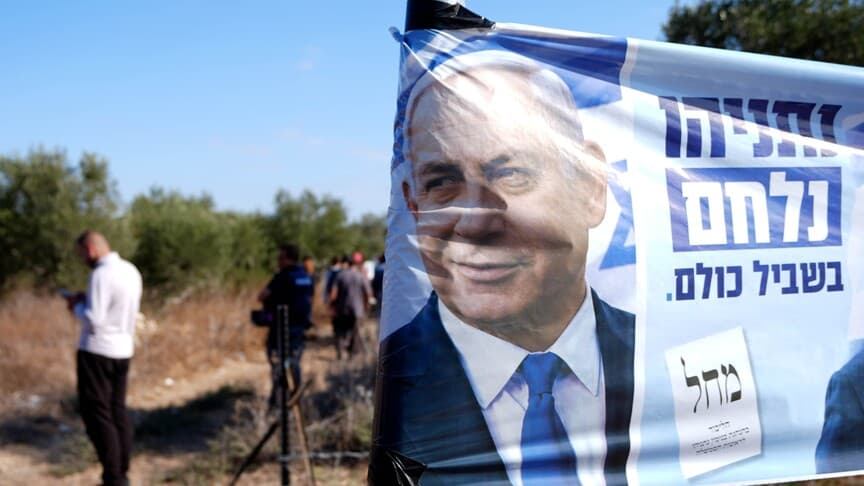
- Israel's Central Election Commission confirmed on November 4 the final results of the October 27 Knesset elections: Netanyahu's bloc secured 53 seats, the opposition 48, and Arab lists 19, with no single bloc reaching the required 61-seat majority.
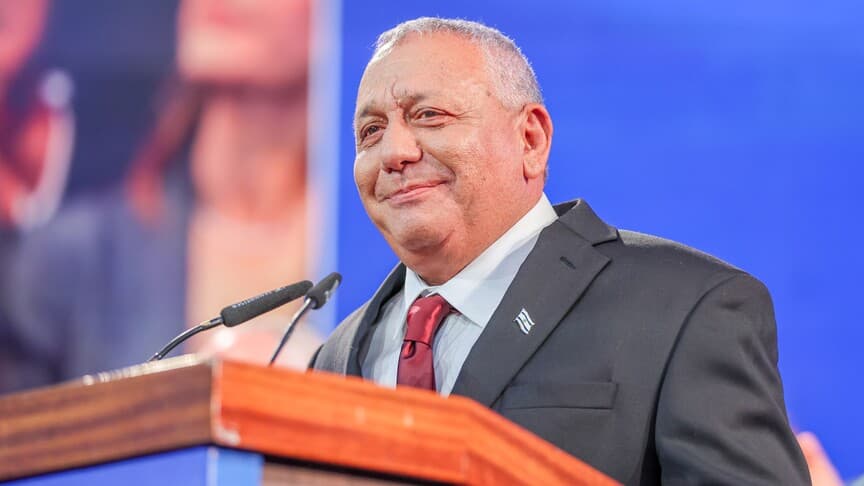
- According to United List MK Ofer Cassif, the alliance is likely to recommend that President Herzog entrust opposition leader Gadi Eizenkot with forming a government to prevent a new Netanyahu cabinet, and supports replacing Knesset Speaker Amir Ohana.
- Cassif warned that Netanyahu might provoke a new war with Iran to remain in power and expressed skepticism about the possibility of a national unity government.
Confirmation of Results and Political Balance
On November 4, Israel's Central Election Commission confirmed the final results of the Knesset elections held on October 27.Fifteen commission members voted in favor, two against, and fourteen abstained; the previously announced seat distribution remained unchanged. The bloc of incumbent Prime Minister Benjamin Netanyahu secured 53 mandates, the Israeli opposition 48, and Arab lists 19, of which 11 went to the United List and 8 to the United Arab List (Ra'am). None of the blocs reached the necessary 61 seats out of 120. The opposition and Arab lists together possess enough seats to form a government, yet a significant portion of the opposition rejects cooperation with Arab parties. Following the official results, President Isaac Herzog was scheduled to begin consultations with parliamentary factions on Wednesday.
United List Plans
In an interview with Anadolu Agency, United List MK Ofer Cassif outlined the alliance's plans. According to him, the list will likely recommend on Thursday that the President entrust the formation of the government to opposition party leader Gadi Eizenkot to prevent a new Netanyahu cabinet, while considering the option of a minority government with external support from Arab parties. Additionally, the alliance intends to join other opposition parties in seeking the replacement of Knesset Speaker Amir Ohana, whom Cassif assessed as having represented the government rather than the parliament over the past four years. Cassif stated that a parliamentary majority exists for this move but anticipates attempts by the Speaker and Netanyahu to obstruct the replacement; in such a case, he believes the issue will need to be resolved through the Supreme Court.
Obstacles to Coalition Formation
Cassif acknowledged that the United List is open to cooperation with the opposition but sees no reciprocal willingness; according to him, many opposition figures hold racist views and completely reject the idea of a coalition relying on Arab voters' support. However, he clarified that this does not apply to everyone and expressed hope that Eizenkot will recognize that the primary danger stems from Netanyahu and his allies. Cassif emphasized that the United List understands the next government will be far from its views but considers Netanyahu the 'main enemy' at this stage. He also deemed the creation of a national unity government unlikely.
Voter Turnout, Disputes Over Results, and Iran
Cassif attributed the high turnout among Arab voters to a combination of 'fear and hope'; according to him, Arab citizens of Israel, comprising about 20% of the population, felt an existential threat after four years of a government he described as 'fascist,' and attempts to disqualify the United List, Ra'am, himself, and Sami Abu Shehade from the elections pushed them to vote. Netanyahu and other right-wing leaders disputed the results and demanded a delay in their announcement, claiming Arab parties received funding from Qatar to mobilize voters; Doha and the parties rejected these allegations. Cassif accused Likud of attempting to delegitimize the results, noting that the police and intelligence agencies, including Shin Bet, ultimately confirmed the absence of fraud. Furthermore, he expressed concern that Netanyahu might provoke a new war with Iran to retain power, while clarifying that his remarks were personal opinions and assumptions.