The key facts
- In 2026, 330 cases of substandard petroleum products were identified, with 7,823 tonnes withdrawn from sale
- 240 of the 330 cases are linked to AI-92 and AI-95 gasoline
- The inspection did not disclose details on grades, parameters, or measures taken against filling stations
Results of fuel quality inspections
The leadership of Uzenergoinspektsiya reported on fuel quality control measures at a press conference on 4 November. According to the inspection, as cited by Kun.uz, this year laboratory analysis of samples taken at filling stations and enterprises revealed 330 cases of substandard petroleum products. As a result, the sale of a total of 7,823 tonnes of substandard products was halted — this volume covers not only gasoline but all substandard petroleum products detected.
Gasoline — the main problem
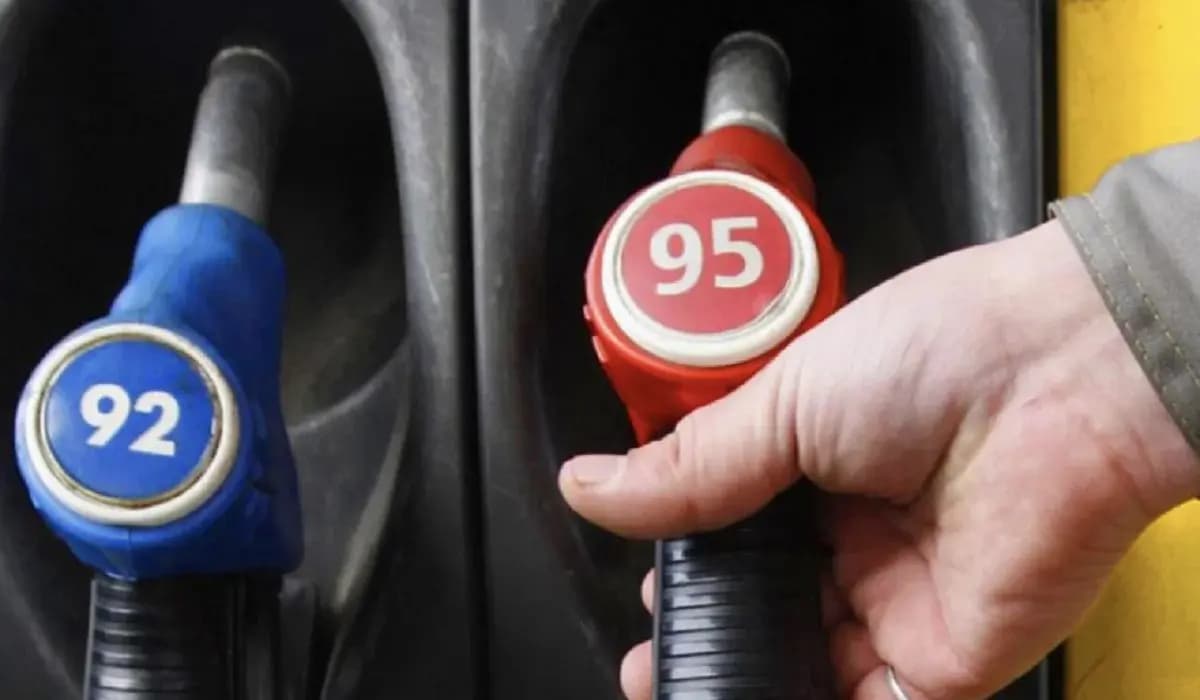
At the press conference, the inspection was asked in which gasoline grades violations were recorded. The agency's representative Dilshod Yakubov replied: “AI-92 and AI-95. Of the 330 cases, 240 are related to gasoline at filling stations.” However, the inspection did not disclose the volume of gasoline found to be substandard, which specific parameters failed to meet requirements, or how the 240 cases are distributed between AI-92 and AI-95 grades.
What remains unclear and what drivers should do
Journalists also asked what measures are being taken against filling stations that sold substandard fuel and how damage to car owners is assessed — but the inspection provided no specific data on these issues. It was only noted that samples may be tested in the organization's own laboratory as well as in other accredited laboratories.
How a consumer can substantiate a claim
Earlier, Kun.uz described the procedure for drivers who doubt the quality of gasoline: one should keep the receipt, note the name and address of the filling station, and contact Uzenergoinspektsiya. If an engine malfunction is believed to be linked to substandard fuel, an official conclusion from a service station is additionally required. Against the backdrop of the new figures — 240 gasoline cases out of 330 — this procedure remains the only described mechanism for an individual car owner, since the inspection did not say at the press conference whether damage is compensated or how.