The key facts
- The EC published roadmaps for Montenegro, Albania, Moldova and Ukraine as part of the 2026 enlargement package
- Montenegro has closed 21 chapters and, according to commissioner Marta Kos, could become the EU's 28th member in 2028
- A framework mechanism for candidates' gradual integration before accession was presented; dialogues will start in Q1 2027
Roadmaps for the four negotiation leaders
On Wednesday, the European Commission presented indicative roadmaps for EU accession for Montenegro, Albania, Moldova and Ukraine, as well as plans to deepen candidate countries' integration into the bloc's key sectors ahead of formal membership. The measures were included in the annual enlargement package for 2026, which sums up partners' progress over the past year and sets reform priorities for the period ahead. The roadmaps set out concrete milestones and goals for the four countries, which, in the Commission's assessment, have made 'significant progress' in the negotiations, opening clusters of chapters and provisionally closing a number of them.
Montenegro — candidate number one for 2028
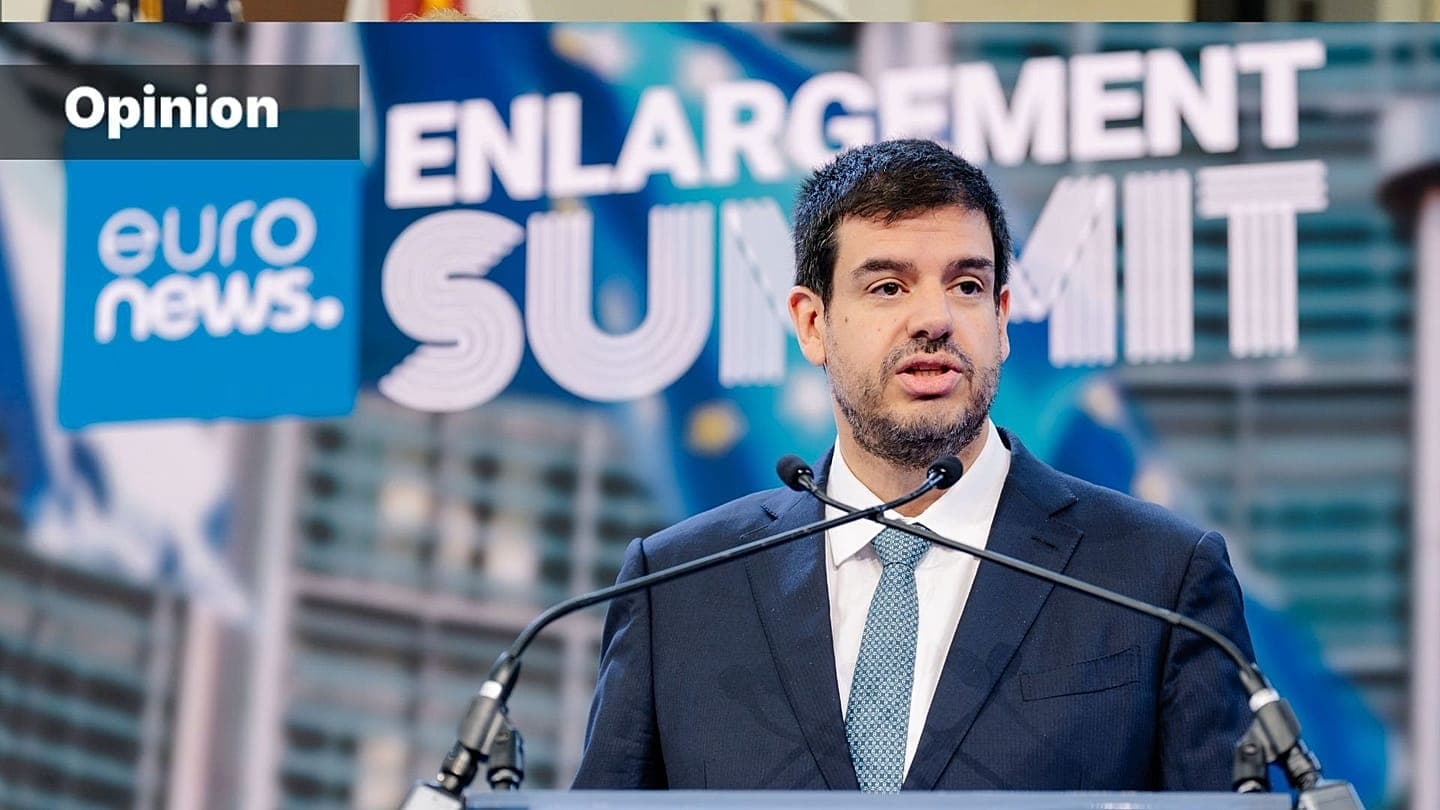
Montenegro shows the greatest progress among the candidates: it has provisionally closed 21 negotiating chapters and, according to the Commission, could close the rest by the end of this year. 'Work on Montenegro's accession treaty is already under way... Montenegro is on track to become the 28th member of the European Union in 2028,' enlargement commissioner Marta Kos told a meeting of the European Parliament's Foreign Affairs Committee. Albania has opened the last remaining negotiating cluster and met the interim benchmarks on the rule of law chapters, paving the way for the provisional closure of four chapters; the Commission considers it possible to conclude negotiations by 2027 if reforms and an inclusive political dialogue continue. Moldova has met the conditions for opening all remaining clusters and, in the EC's assessment, maintaining the current pace of reforms will be decisive for the goal of concluding negotiations by early 2028. Kyiv has also met the conditions for opening all remaining clusters; key priorities named are the rule of law, democratic institutions and public administration reform.
Gradual integration before membership
Alongside the roadmaps, the Commission presented a common framework mechanism for gradual integration, designed to bring candidate countries closer to the bloc even before formal accession. The mechanism defines opportunities to deepen cooperation in strategic sectors — energy, transport, digital technologies and defence. Kos said the new model would bring tangible benefits to both candidates and member states, advancing shared strategic priorities. The Commission will launch dialogues on gradual integration with partners in the first quarter of next year: they are intended to assess existing measures, their funding, and to identify more tailored opportunities for each country.
The laggards: Serbia, North Macedonia, Bosnia, Kosovo, Georgia
The package gives far more reserved assessments to the remaining candidates. Serbia, according to the Commission, has made no substantive progress in the negotiations — with caveats about democratic standards, societal polarisation and limited alignment with the EU's common foreign and security policy. North Macedonia continues to work on the outstanding benchmarks but has still not adopted the promised constitutional amendments. Bosnia and Herzegovina's integration is being increasingly held back by political disputes, Kosovo's process has stalled due to a protracted institutional crisis, and Georgia's accession remains 'de facto frozen': the Commission maintains its assessment that the country is a candidate 'only on paper'.