The key facts
- The EU makes alignment with its foreign policy and sanctions against Russia a key indicator for candidates
- Serbia (63% alignment), Georgia and Turkey are singled out for low compliance and signs of democratic backsliding
- The Commission is preparing 'gradual integration': access to the internal market, Erasmus+, abolition of roaming charges, SEPA — on terms that are reversible and dependent on progress
Alignment as a condition
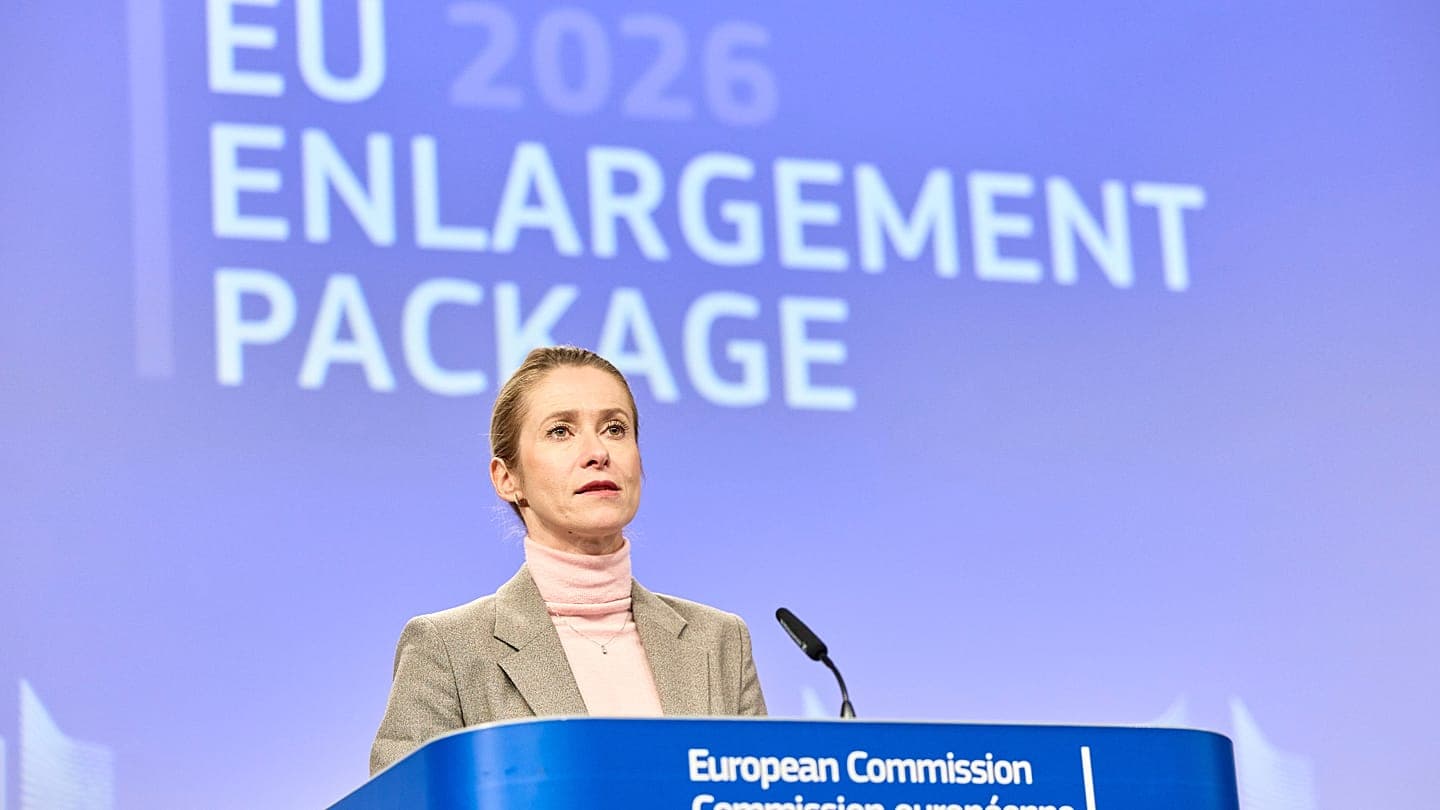
The European Commission is attaching ever greater importance to how closely candidate countries follow the EU's common foreign and security policy. In its annual assessment reports, Serbia, Georgia and Turkey stand out for their low or very low alignment, which may limit their access to 'gradual integration'. This is reported by Euronews citing the Commission's reports and comments by senior EU officials.
Serbia: technical progress amid political divergence
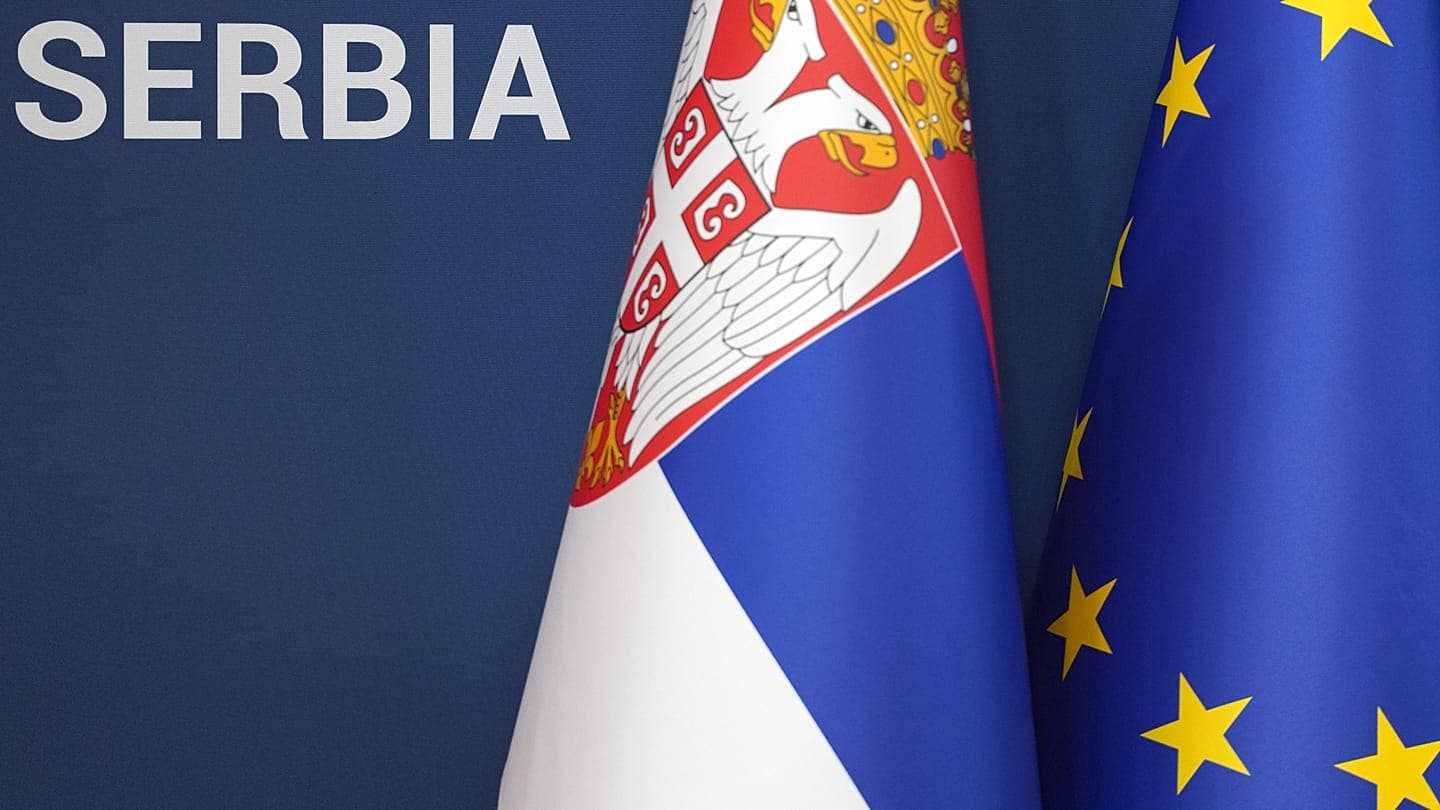
Belgrade remains a notable laggard: its alignment with EU foreign policy stands at 63%, while its relations with China and Russia, including its refusal to join sanctions against Russia, Belarus and Iran, are assessed as contradicting the EU's position. At the same time, Serbia has made progress in technical work on internal market issues, but politically it is closer to the 'backsliders' than to the leaders. The report notes negative trends in the 'fundamentals' — the negotiating cluster covering the rule of law, the judiciary and fundamental rights.
Change of power in Belgrade and the Kosovo question
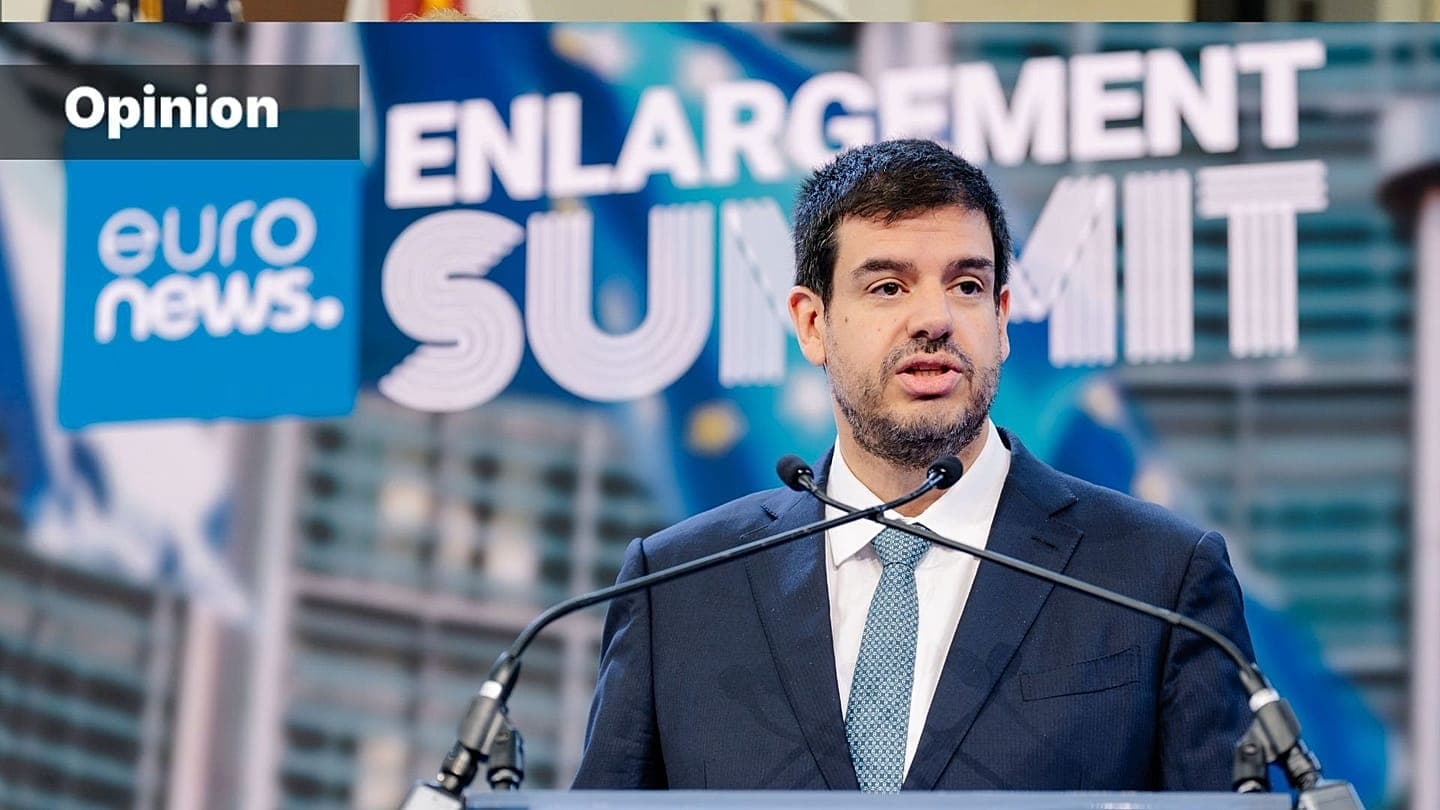
The victory of the 'Student List' in the elections, which unseated Aleksandar Vučić's Serbian Progressive Party after 14 years in power on an anti-corruption platform, gives hope for a reset, according to the Commission. An EU spokesperson said the bloc stands ready to work with the new government and help turn the declared priorities, especially in the 'fundamentals' area, into concrete reforms. However, Albanian Prime Minister Edi Rama warned at the Euronews enlargement summit that the new Belgrade government is unlikely to recognise Kosovo — a key sticking point in the normalisation of relations.
Georgia: 'a candidate only on paper'
EU officials call Georgia 'a very sad story': the country is sliding into democratic backsliding and restrictions on fundamental rights. In March, the EU suspended the visa-free regime for holders of Georgian diplomatic, service and official passports. Brussels considers Tbilisi a candidate only nominally: there has been no progress on the nine steps set out when candidate status was granted, and in 2024 the Georgian government announced it would not seek accession talks until 2028. At the summit, Prime Minister Irakli Kobakhidze failed to explain how Tbilisi intends to normalise relations with the EU, accusing the Commission of double standards and political games and refusing to back down on the contentious legislation.
Turkey: very low alignment alongside growing cooperation
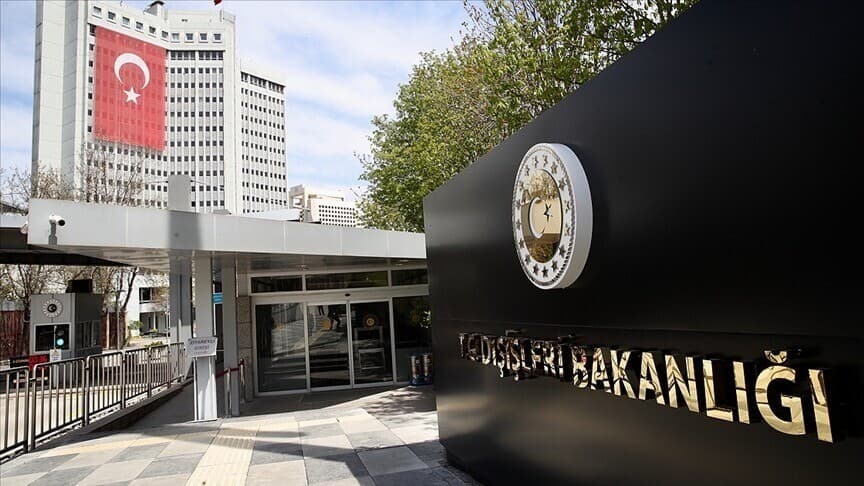
Turkey is the only candidate whose alignment with EU foreign policy is rated 'very low', and another case of democratic backsliding in the Commission's assessment. At the same time, Brussels notes that Ankara has increased cooperation in areas of shared interest: trade, migration, regional security and connectivity. Turkey is the key gateway of the 'Middle Corridor', a transport route into which the EU is investing to connect Europe with Central Asia, bypassing Russia and the Suez Canal. On the circumvention of sanctions against Russia, an EU official noted 'some progress' but demanded more. The main obstacle to unfreezing the accession talks remains the occupation of Northern Cyprus.
What is 'gradual integration'
Foreign policy alignment will carry even greater weight, as the EU plans to reform its system of rewarding candidates by tying benefits to strategic alignment. This means gradual access to the internal market and opportunities for citizens: Erasmus+ programmes, the abolition of roaming charges and inclusion in the SEPA single euro payments area. Early next year, the Commission will launch a dedicated dialogue with candidate countries to develop individual measures. As an EU official stressed, the offer remains merit-based, conditional and reversible — progressive alignment with EU rules and strategic priorities is expected.