The key facts
- Under the European Commission's proposal, health funding will be folded into the European Competitiveness Fund together with biotechnology, agriculture and the bioeconomy
- The European Parliament's public health committee demands at least €10.05 billion for health care, including €2.5 billion for the fight against cancer
- An agreement on the new seven-year budget is expected by the end of 2026; Parliament holds a veto power
Health care — inside the general competitiveness fund
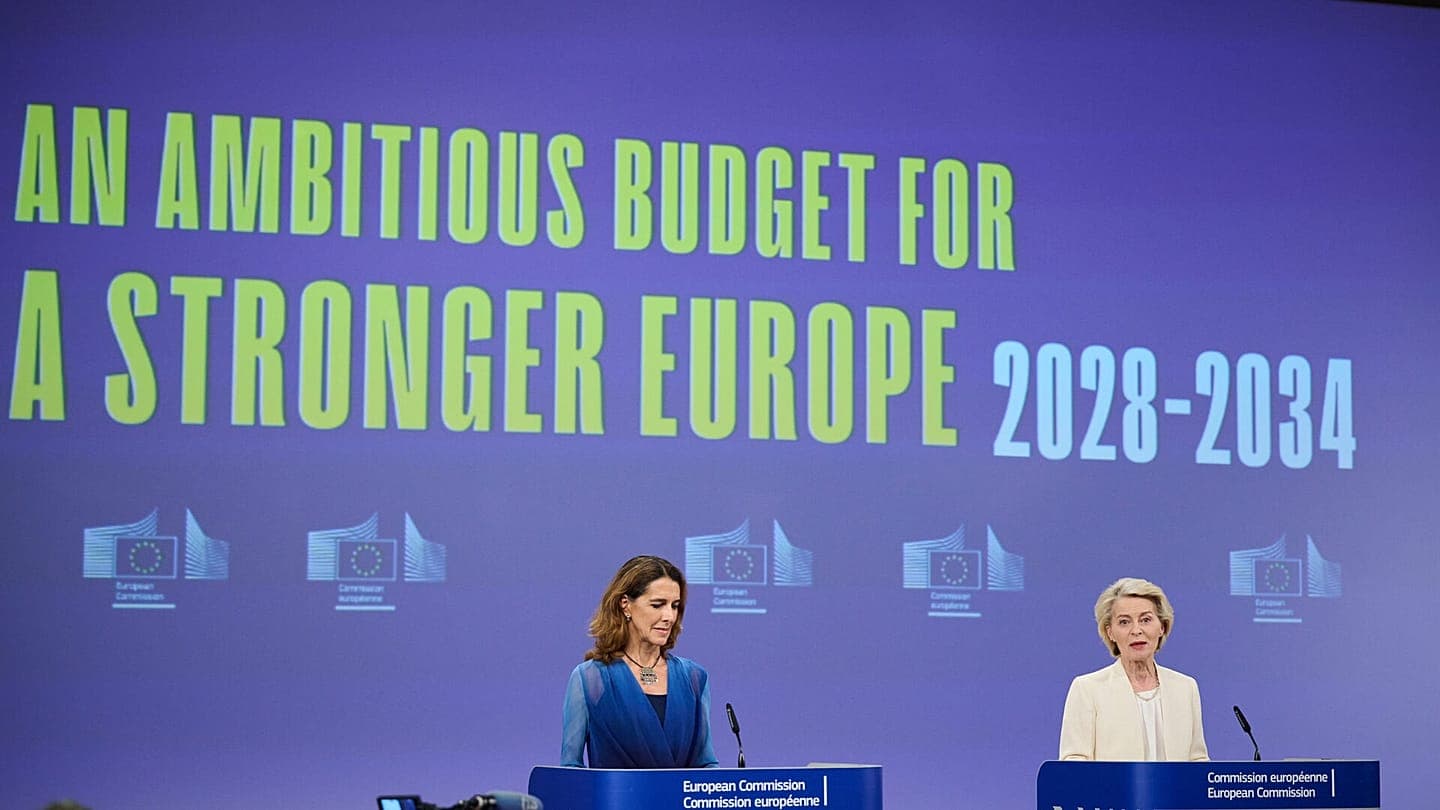
The EU's next long-term budget for 2028–2034 will determine the allocation of funding across the bloc's priority areas, including health care. Under the European Commission's proposal, health funding is to be merged into a common fund together with biotechnology, agriculture and the bioeconomy within the broader European Competitiveness Fund. In June 2026, EU countries agreed to keep the structure proposed by the Commission, but the final structure of the fund and the specific allocation of money remain subject to negotiations which, according to the Council, are aimed at reaching an agreement by the end of the year.
Why it is cancer projects that are sounding the alarm
Oncology organisations fear that the absence of a separate fund for health care threatens the loss of support for already running projects — from cancer prevention and vaccination to research into new diagnostic methods and patient care. The projects are funded under the EU's Beating Cancer Plan and the Cancer Mission, which rely on the separate EU4Health budget and the Horizon Europe research fund. Both programmes run until 2030, meaning they overlap with the first years of the new budgetary period — and it is precisely this junction that creates uncertainty about the continuation of funding.
The positions of the parties: from Germany's optimism to Spain's demands
A Commission representative told Euronewsthat measures currently funded through EU4Health would 'in general be eligible' to compete for funding in the new budget, which should ensure a 'smooth transition'; national and regional partnership plans will support health systems, and Horizon Europe will continue to fund research. Germany agrees: its health ministry said that all projects eligible for EU4Health funding should retain it in the new budget.
Parliament demands a separate programme and specific amounts
Not everyone shares this optimism. Spain unsuccessfully pushed for a separate health programme: its Secretary for Health, Javier Sánchez Padilla, said that health care 'must play a standalone role, not be part of the Competitiveness Fund', while acknowledging the trend of 'putting everything into the competitiveness basket'. Luxembourg is concerned about the visibility and continuity of public health funding, Slovenia has requested guarantees of investment, and Estonia believes the key guarantees will be laid down in the fund's multiannual work programmes.
Parliament demands a separate programme and specific amounts
Members of the European Parliament have also voiced concern. Vytenis Andriukaitis (of the Socialists and Democrats group) believes the Competitiveness Fund is primarily geared towards industry, and that prevention programmes 'will end up far from the centre of attention'. Parliament's public health committee, in a report of 28 September, called for EU4Health to be preserved as a separate programme and demanded that at least €10.05 billion be allocated to health care in the 2028–2034 budget, of which €2.5 billion for measures to fight cancer. The European Cancer Organisation makes a similar appeal: at least €10 billion for health care, including a minimum of €2 billion for a dedicated cancer fund, with the money protected from competition with industrial priorities. Parliament cannot amend the text of the long-term budget, but it holds a veto power: the Council may adopt the regulation only after Parliament's consent by an absolute majority of votes.