The key facts
- Democrats won both chambers of Congress in the midterms; Trump remains president with veto power
- The majority's main tools are committee investigations, control over confirmations of nominations, and impeachment in the House of Representatives
- The Democrats cannot override a veto (two thirds of votes in both chambers); the party is split over military aid to Israel
'Blue wave' and its limits
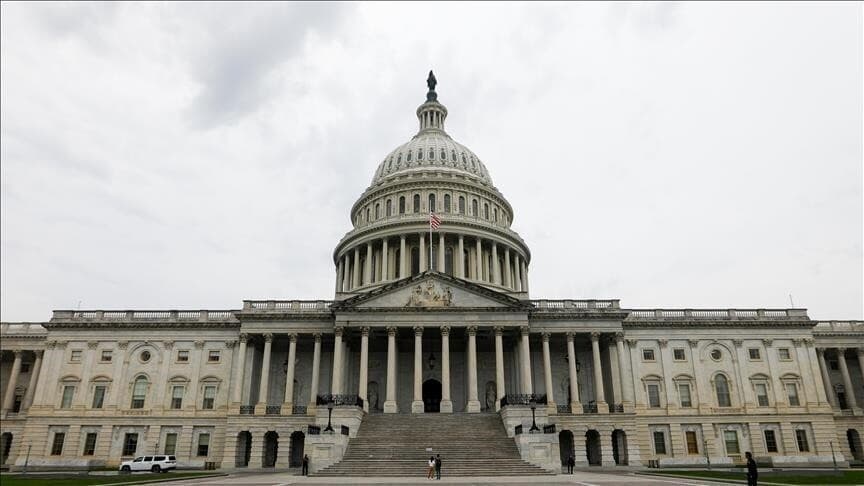
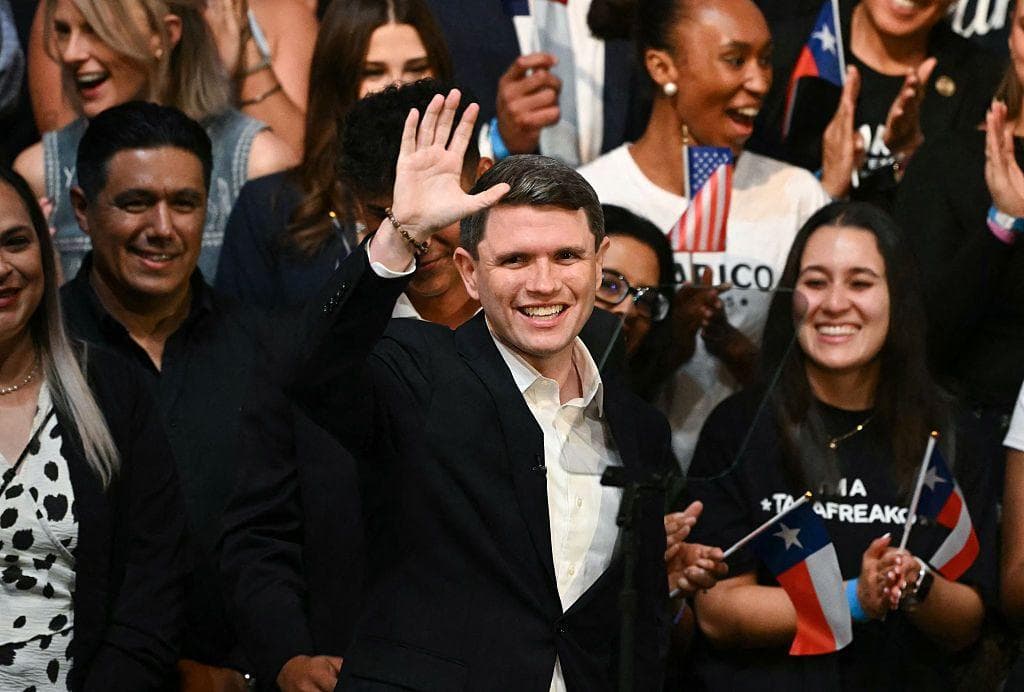
Following the midterm elections, Democrats have gained control of both chambers of the US Congress. Texas proved to be the turning point: James Talarico took a US Senate seat from the Republicans, helping the party win the upper chamber, BBC News reports. Hakeem Jeffries, the Democrats' leader in the House of Representatives and likely future Speaker, declared on election night: 'The great American comeback begins today.' But by January, as the outlet notes, reality may prove harsher: the Democrats have Congress, while in the White House sits Republican Donald Trump with the power to veto bills. Senator Chris Coons told the BBC that the party 'is still deeply unpopular,' and stressed: 'We need to prove that we can get the job done.'
What the majority can actually do
The Democrats' main levers are not legislation but control and oversight. Committees in both chambers hold investigative powers: Congressman Robert Garcia of California, who will chair the influential House Oversight Committee, listed possible targets on election night itself — the Trump family, 'corporate corruption', alleged abuses by the Department of Homeland Security and ICE, and the government's handling of the 'Epstein files'. The Senate will be able to confirm or block nominations to the Cabinet and the courts: should a Supreme Court vacancy arise, Democrats could reject Trump's nominee or force him to pick a more moderate figure. The House of Representatives can initiate impeachment, but conviction requires 67 votes in the Senate — two thirds, which the Democrats do not have. Jeffries himself was evasive about impeachment prospects: 'We haven't ruled anything out, but we haven't ruled anything in either.'
Legislative gridlock and splits within the party
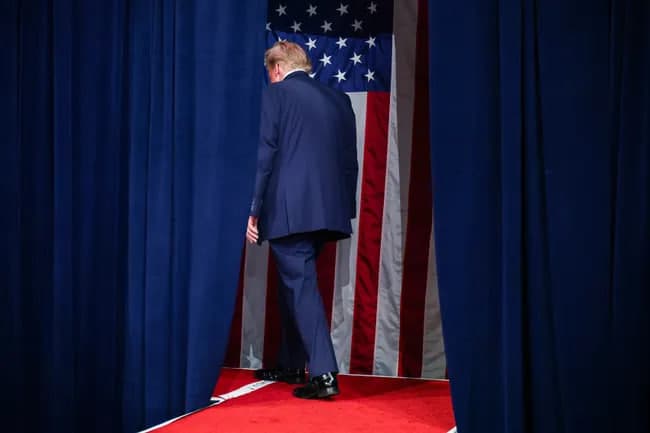
Passing laws will be relatively easy for the Democrats, but getting them through the White House will be hard: overriding a veto requires a supermajority in both chambers, which the party lacks. Casey Burgat, a professor at George Washington University, warned that lawmaking 'will become far more difficult' than under unified Republican control. Trump himself has shown ambivalence: in a comment to the New York Times he said he 'will work with the Democrats', but soon after posted a photo on Truth Social of a red cap reading 'VETO'. According to an October Gallup poll, only 14% of registered voters were satisfied with the work of lawmakers. Internal disagreements also complicate the picture: according to the BBC, during the election campaign a split emerged within the Democratic Party over continuing military aid to Israel — newly elected Senator Abdul El-Sayed of Michigan and some future House members said they would vote to cut the aid. Another difficulty is restraining Trump's foreign policy: in June, both chambers passed a resolution to end hostilities with Iran, which Trump could not veto but in practice ignores. Scott Anderson of the Brookings Institution called Congress's jurisdiction in this matter 'an open legal question': 'Congress could try to resolve it through the courts.'
 Image source, AFP via Getty Images
James Talarico just flipped Texas' US Senate seat to the Democrats, helping them win control of Congress' upper chamber.

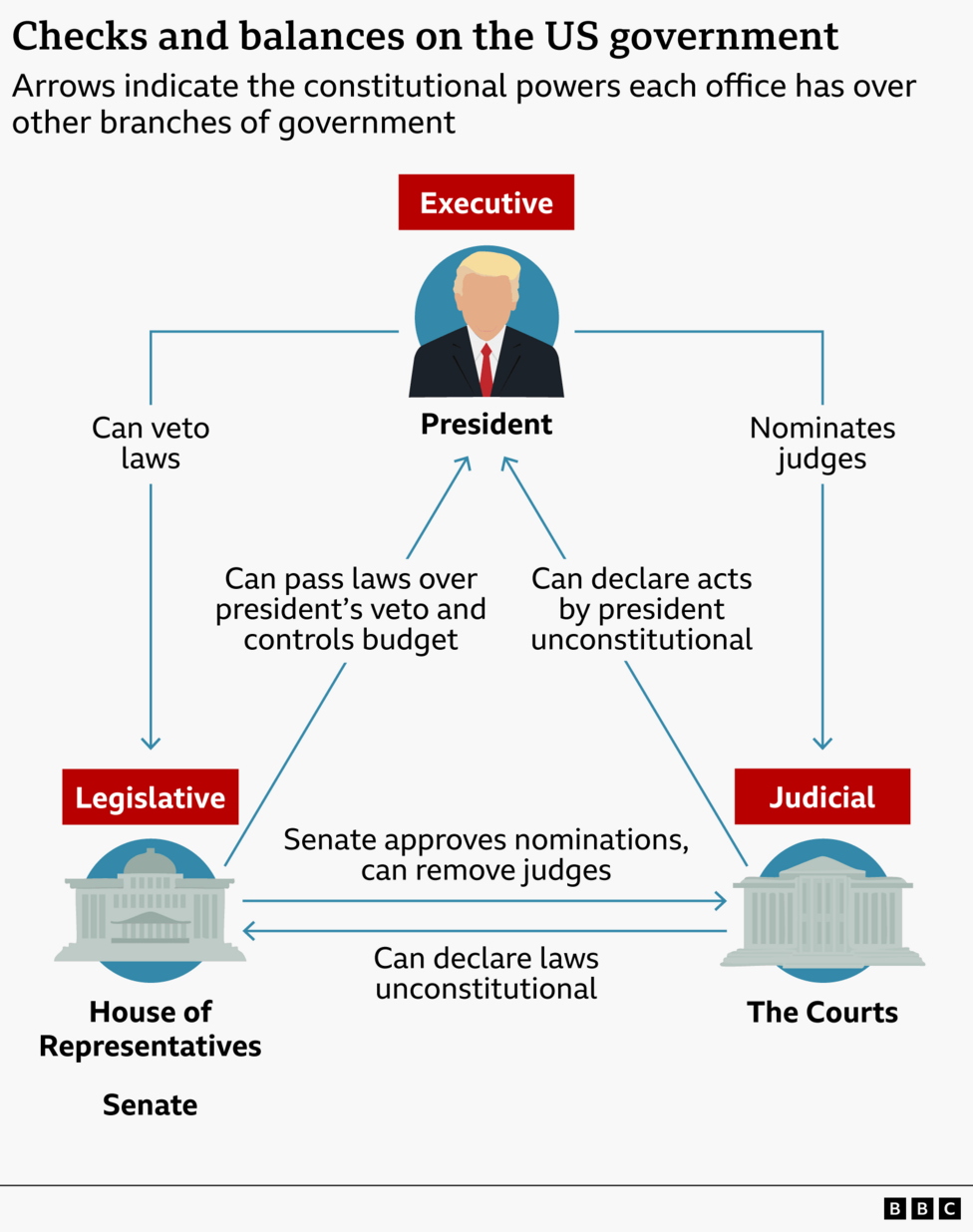
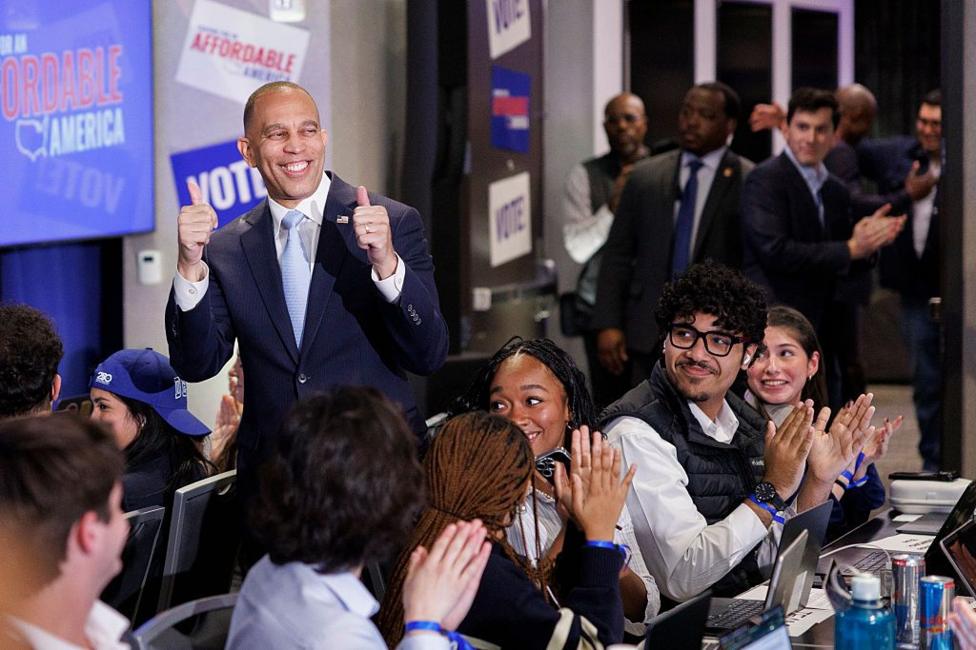 Image source, Getty Images
Hakeem Jeffries, leader of US House Democrats, greets party staffers on election night.