The key facts
- The 20 largest donors contributed about $2 billion to federal elections; full data will be available in weeks
- The 20 largest donors contributed about $2 billion to federal elections; full data will appear in weeks
- Elon Musk spent $445.5 million, including about $212 million on Ken Paxton's Senate campaign in Texas, which lost to Democrat James Talarico
- Republicans, who received most of the large donations, lost control of the House of Representatives and the Senate to the Democrats
- Republicans, who received most of the large donations, ceded control of the House of Representatives and the Senate to the Democrats
Record spending on the US midterms
A small group of America's wealthiest people spent record sums trying to influence the outcome of the midterm elections held on Tuesday. Most of the money went to Donald Trump's Republican Party, which nonetheless lost control of both the House of Representatives and the Senate to the Democrats. This is reported by Anadolu citing an analysis by The New York Times published on Sunday, based on campaign finance filings through mid-October: the 20 largest donors contributed about $2 billion to federal elections in this cycle. The full scale of spending will only become clear in the coming weeks, when post-election reports are filed.
How the super PAC system works
Formally, US law caps direct contributions to a candidate at $3,500 per election. However, after the 2010 Supreme Court ruling known as Citizens United, wealthy donors can give unlimited sums to so-called super PACs — political committees that are free to spend money on advertising and voter outreach as long as they operate independently of candidates' campaigns. Nearly all of the cycle's largest contributions flowed through this structure.
Musk — the cycle's biggest donor
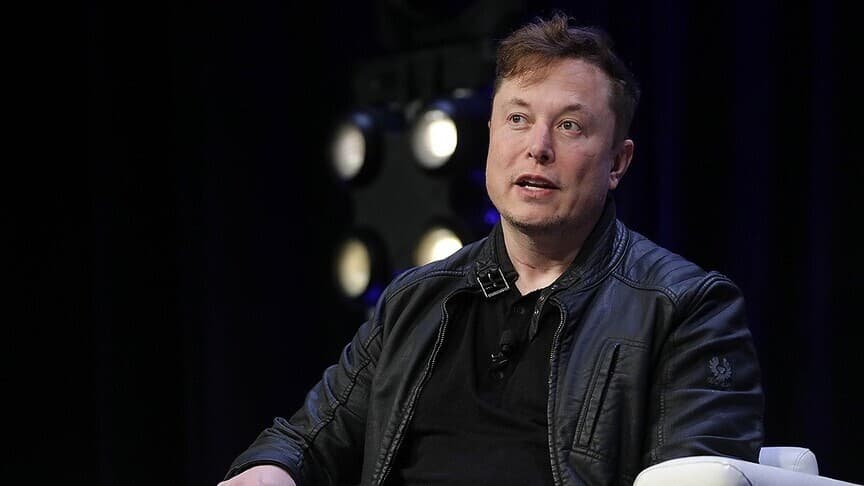
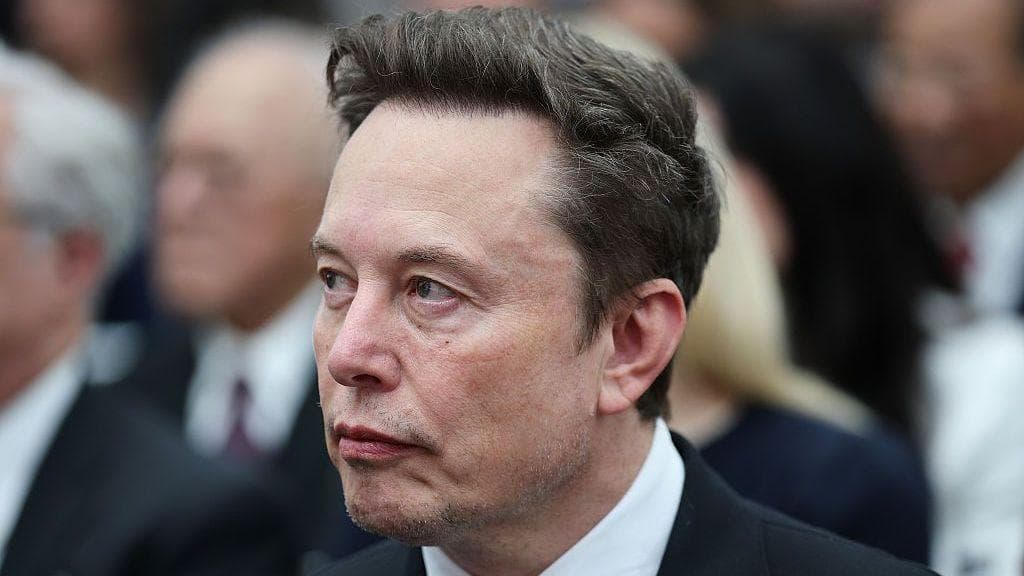
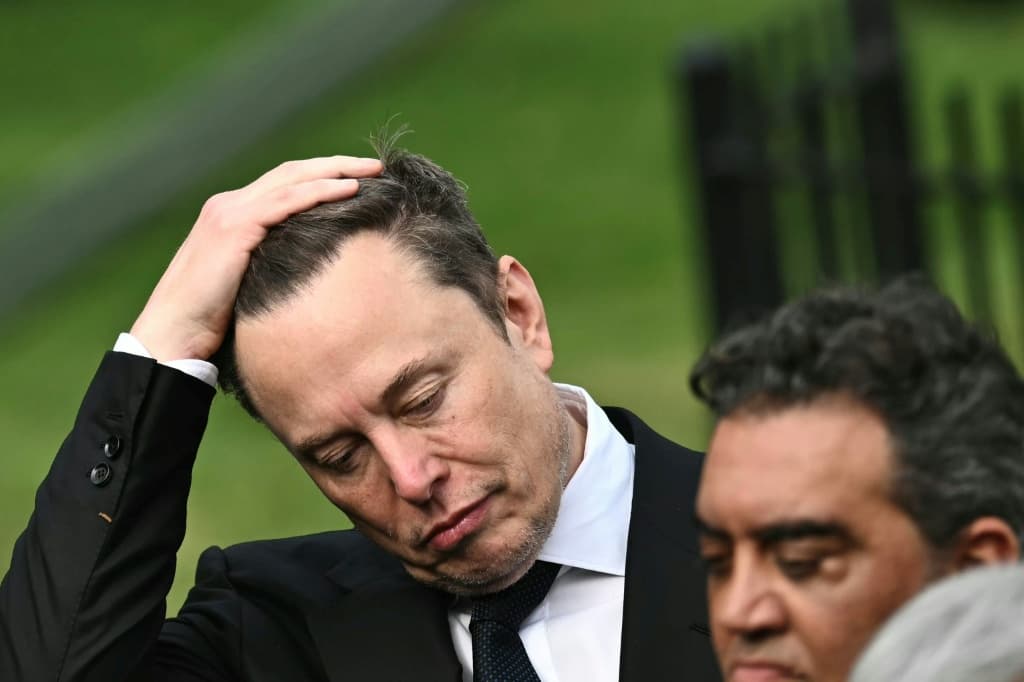
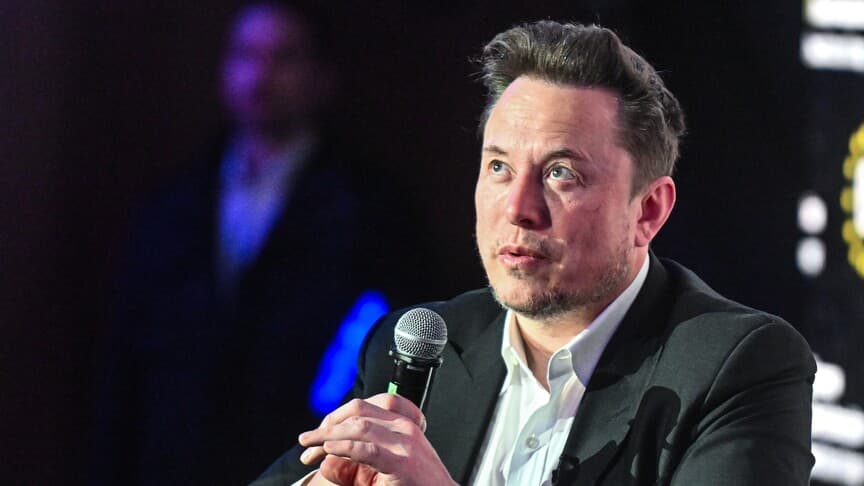
The top spender was Elon Musk, owner of Tesla, SpaceX and the social network X: according to OpenSecrets, his outside spending totaled $445.5 million — nearly $300 million more than the next-largest super PAC donor. Musk, who in 2025 led the Trump administration's cost-cutting effort (the Department of Government Efficiency), backed Republicans: $216 million went to America PAC, which he created in 2024, and $158 million to the Senate Leadership Fund, the main vehicle for defending the Republican Senate majority. About $212 million went to Texas, where Musk supported the Senate campaign of state Attorney General Ken Paxton — who lost to the Democrat, state legislator James Talarico. On election day, Musk urged his followers to vote Republican in a post he later deleted, and after the results were announced he wrote: 'Looks like my election-interfering space lasers didn't work this time.'
Other top donors
Richard and Elizabeth Uihlein, owners of the company Uline, contributed $150 million, mostly to Republican and conservative organizations; their largest donation — about $136.7 million — went to Restoration of America. Jeff Yass, co-owner of the trading firm Susquehanna, spent $109 million according to OpenSecrets; his largest contribution — $20 million — went, according to Forbes, to a super PAC supporting Vivek Ramaswamy's gubernatorial campaign in Ohio, who put $25 million of his own money into the race and lost to Democrat Amy Acton 52% to 45%. The Soros family backed Democrats with roughly $102 million through Democracy PAC; according to Fortune, about half of that sum came from George Soros's private investment firm Geosor Corp., with the rest from the nonprofit Fund for Policy Reform within Open Society Foundations. Venture firm Andreessen Horowitz founders Marc Andreessen and Ben Horowitz, whose combined giving NYT estimated at $115.3 million, gave to both parties, directing the largest checks to super PACs supporting the crypto industry and artificial intelligence, as well as to Trump's MAGA Inc. Michael Bloomberg contributed about $84.2 million, mostly to Democrats, including $24 million to Everytown for Gun Safety Victory Fund and $16 million to House Majority PAC. Miriam Adelson directed about $67.6 million to Republicans, including a one-time $30 million to the Senate Leadership Fund and, according to Forbes, $25 million to MAGA Inc. Hedge fund Elliott Management founder Paul Singer contributed, according to a Washington Post report on October 23, about $53.5 million, including $15.1 million to STW PAC and $14.5 million to the Senate Leadership Fund.
What the results show
Matching spending against results shows that record investments did not guarantee victory: although most of the largest donors backed Republicans, Democrats won both the House of Representatives and the Senate — the latter, according to the publication, thanks to wins in Maine and Michigan. The Texas example is also telling: the roughly $212 million Musk invested in Paxton's campaign did not help him overtake Talarico. Meanwhile, the final picture of spending has not yet taken shape — full post-election reports will only appear in a few weeks.