The key facts
- Nigeria's NDLEA dismantled the country's largest clandestine methamphetamine laboratory: more than 2.4 tons seized, with an estimated value of about $363 million
- 10 suspects arrested, including three Mexican nationals who, according to the NDLEA, were brought in to organize production
- According to UNODC, 34% of people receiving treatment for drug use disorders in Africa are younger than 25
From transit hub to production
Africa has long been regarded primarily as a transit region for international drug networks, but, as Deutsche Wellereports, recent seizures and laboratory discoveries show that drugs are no longer merely passing through African countries — they are increasingly being produced there. The discovery of methamphetamine laboratories in Nigeria, South Africa, Kenya and Mozambique has raised concerns that the continent is becoming a significant hub for synthetic drug production. According to the UN Office on Drugs and Crime (UNODC), synthetic drug production is increasingly linked to transnational criminal networks and clandestine laboratories capable of supplying both local and international markets.
The largest laboratory in Nigeria's history
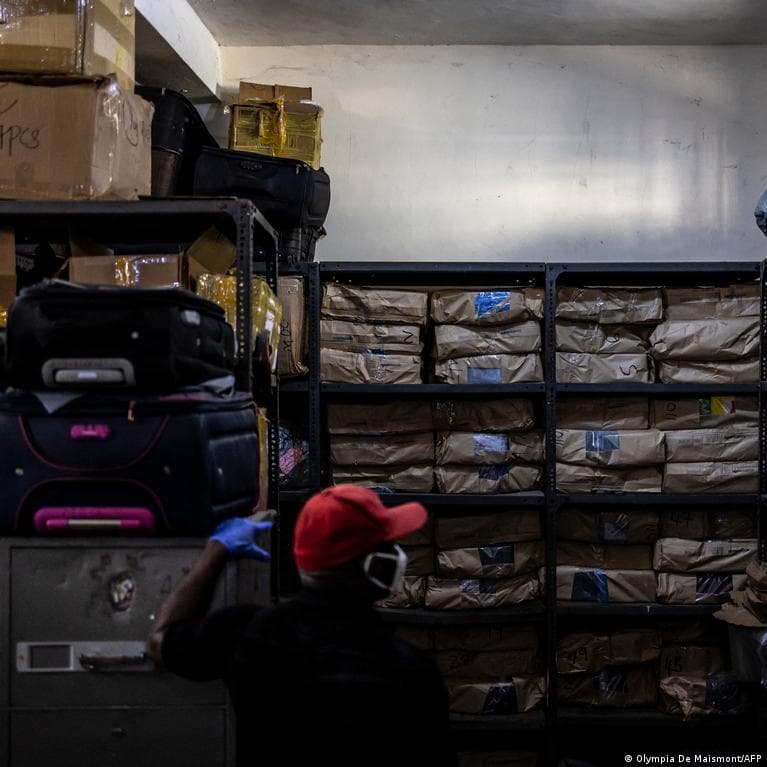
The debate intensified after Nigeria's National Drug Law Enforcement Agency (NDLEA) dismantled what it described as the largest clandestine methamphetamine laboratory ever discovered in the country. The operation took place in the south-western state of Ogun: 10 suspects were arrested, including three Mexican nationals who, according to the NDLEA, had been brought into the country to help with methamphetamine production. Agency chairman Mohamed Buba Marwa announced the seizure of more than 2.4 metric tons of methamphetamine, precursors and other materials, with an estimated international market value of about $363 million (€312 million). DW correspondent Olisa Chukwumah noted that laboratories had been found before, but the scale and sophistication of recent operations suggest that production networks are taking deeper root.
A changing role for the country and social consequences
Dokun Adedigba, co-founder of the Compassionate Care Recovery Initiative, described the evolution this way: 'We used to think we were only a transit country. Then we became a consumer country. Now we are finding that we are a producing country as well.' He said that dozens of smaller laboratories have been discovered over the years in several states. He also called the impact of drug production 'devastating': substance abuse leads to school dropout, family breakdown, mental health problems and rising crime, while families often do not seek help because of stigma. UNODC notes that young people are increasingly affected by drug use disorders: 34% of those receiving treatment in Africa are younger than 25; alongside cannabis, the consumption of synthetic drugs is growing, including methamphetamine ('ice'), as well as the non-medical use of prescription drugs and experimentation with dangerous inhalants.
Countermeasures and their limits
In recent years the NDLEA has stepped up its work, leading to a series of high-profile seizures and arrests, while NGOs are filling the gap with awareness campaigns, especially on university campuses. At the same time, Chukwumah points to the absence of a coordinated top-down policy: much of the work falls to civil society. Adedigba believes that a policy based solely on punishment drives users into the shadows and hinders identifying and supporting those suffering from addiction. UNODC and NGOs propose a broader response: a national policy on substance abuse, expanded rehabilitation services, prevention programmes in the workplace, and regional cooperation in West Africa. The DW piece is adapted from an episode of the AfricaLink podcast; the publication does not describe anything directly related to Uzbekistan.