The key facts
- Badger cub Harriet was found in April in a cattle trough 100 m from her sett and was hand-reared by ecologist Graeme Wilson
- NatureScot rejected the application for an educational licence and suggested returning the animal to the wild or giving it to a zoo
- The agency continues talks about a 'pragmatic solution'; the BWRC opposes using wild animals as 'educational' animals
A rescued badger has become the subject of a dispute over its future
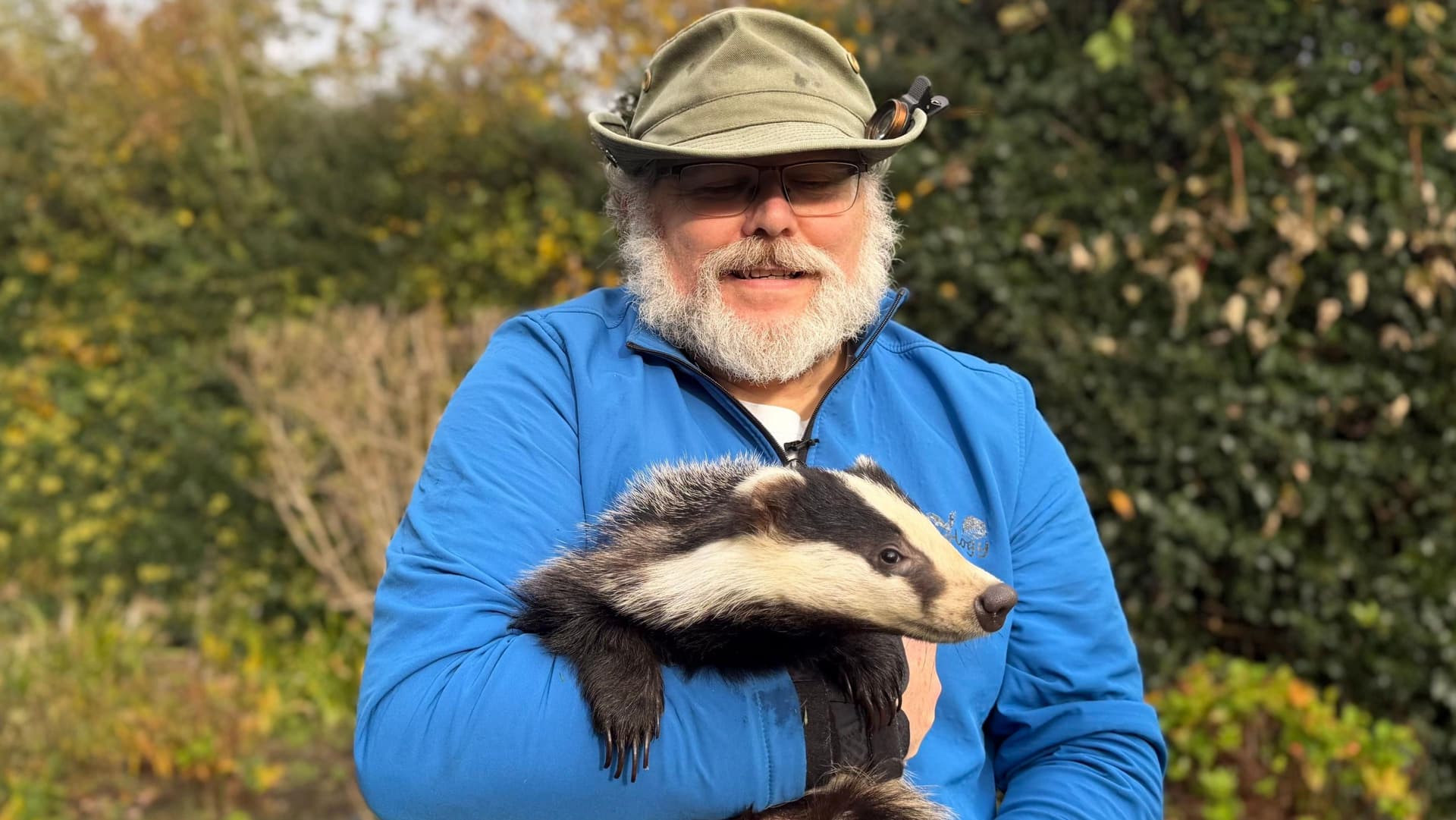
Ecologist Graeme Wilson, who runs GW Ecology, a small wild animal rescue and rehabilitation service in Denholm (Scottish Borders), is seeking permission to keep a badger cub named Harriet. In April he was called out to help: the cub was found in a cattle trough about 100 metres from her sett. Wilson nursed the emaciated and filthy animal back to health, but, according to him, it quickly became clear that the badger cub had already been hand-reared by a human and would not be able to return to the wild. This is reported by BBC News.
The positions of the parties
Wilson argues that Harriet has become so used to people that she treats them as her own social group: her reaction to the sight of a bottle was 'almost instinctive'. In his view, releasing her into the wild would have ended in injury or death, while a zoo with 'behind glass' keeping would have caused her unnecessary stress. He applied for an educational licence, which, he believes, would have allowed him to promote understanding of badgers and wildlife rescue, but NatureScot — the public body responsible for Scotland's natural heritage — rejected it and, according to Wilson, suggested returning the animal to the wild or handing it over to a zoo. The agency said it continues discussions with Wilson and other organisations to find a 'pragmatic solution', and that the badger's welfare is a key factor in considering the case. Police Scotland has also been informed of the situation.
The professional community and practical advice
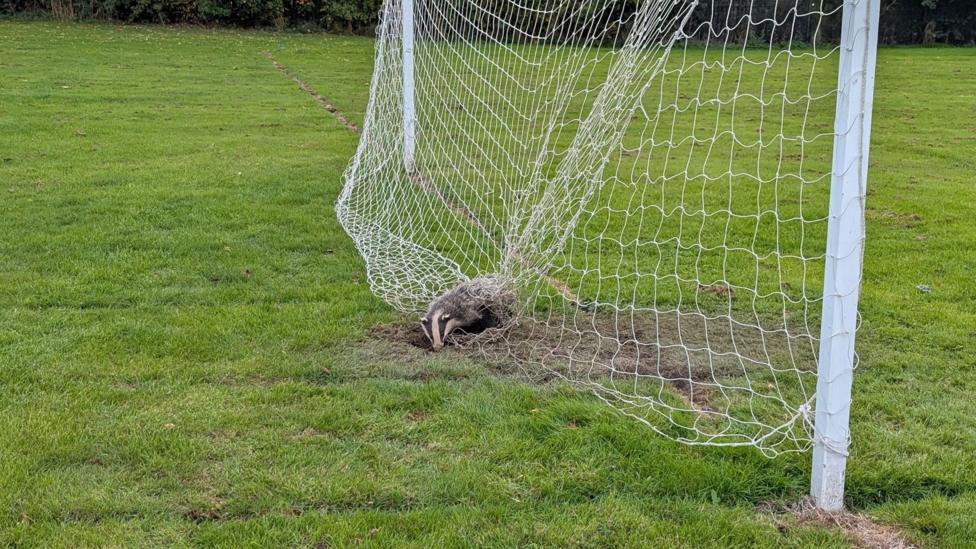
Paul Reynolds, chairman of the British Wildlife Rehabilitation Council, stressed that rescue and rehabilitation is a specialised field requiring appropriate facilities, species-specific care and veterinary support. According to him, the council firmly opposes the use of wild animals as 'educational' animals and their lifelong keeping in captivity, and habituation to humans 'should not automatically become grounds for permanent captivity'. Meanwhile, the Scottish SPCA reminds the public that a badger cub found outside a sett before the age of about 12 weeks (roughly the size of a domestic cat) most likely needs help, but a sick or injured animal should not be touched — badgers can defend themselves aggressively and inflict serious bites and scratches. Earlier, on 22 October, the BBC published a story about another badger, freed from a football net.
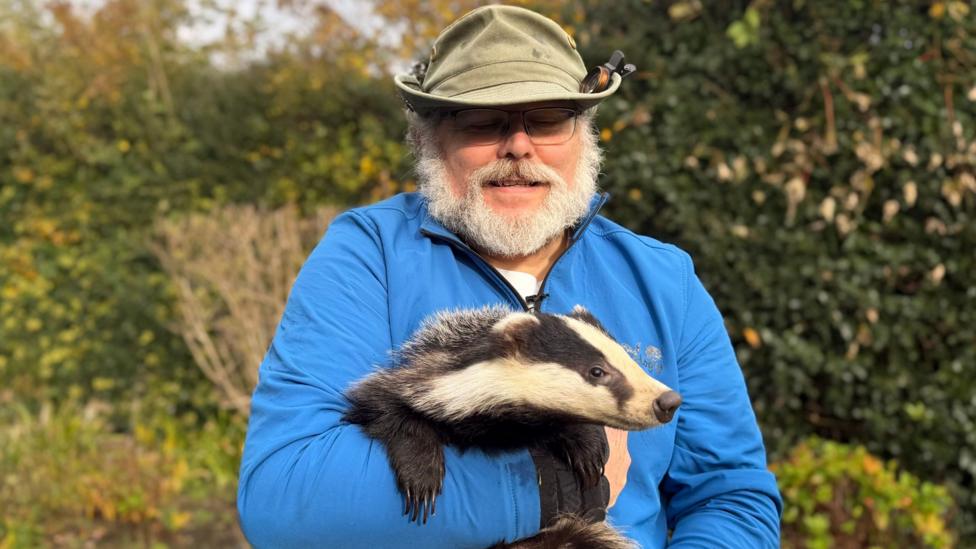
Graeme Wilson said the badger had become too used to humans to be released back into the wild
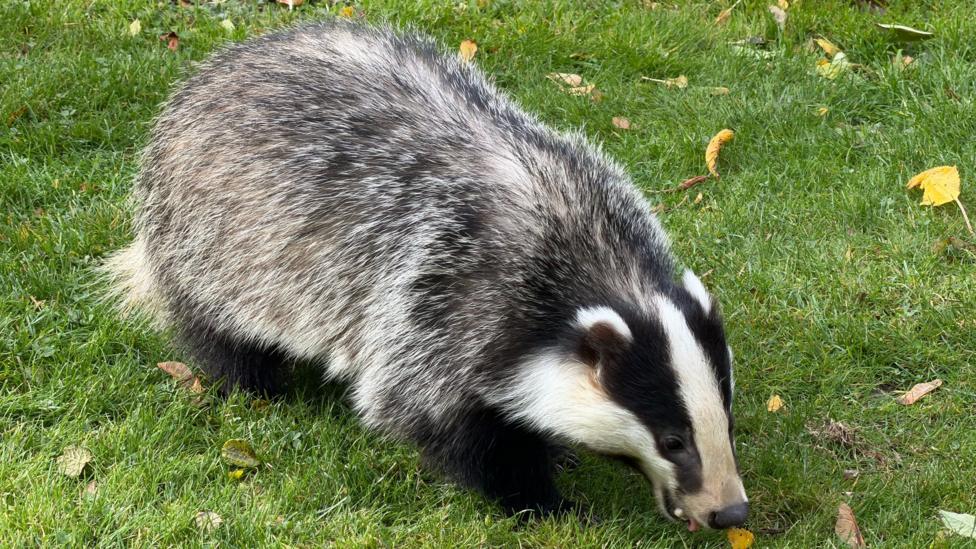
Harriet was very thin and dirty when she was found but has been nursed back to health
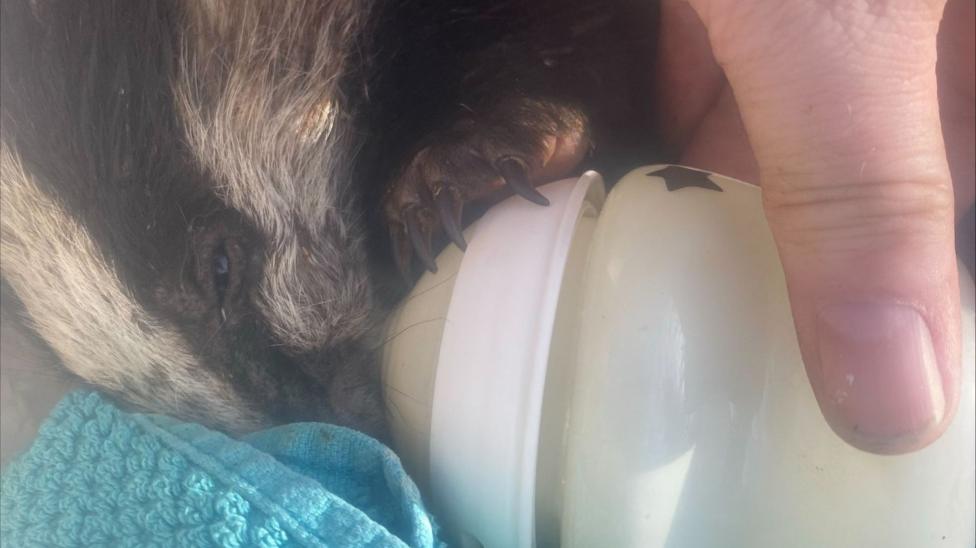
Wilson said the badger had taken to a bottle very quickly
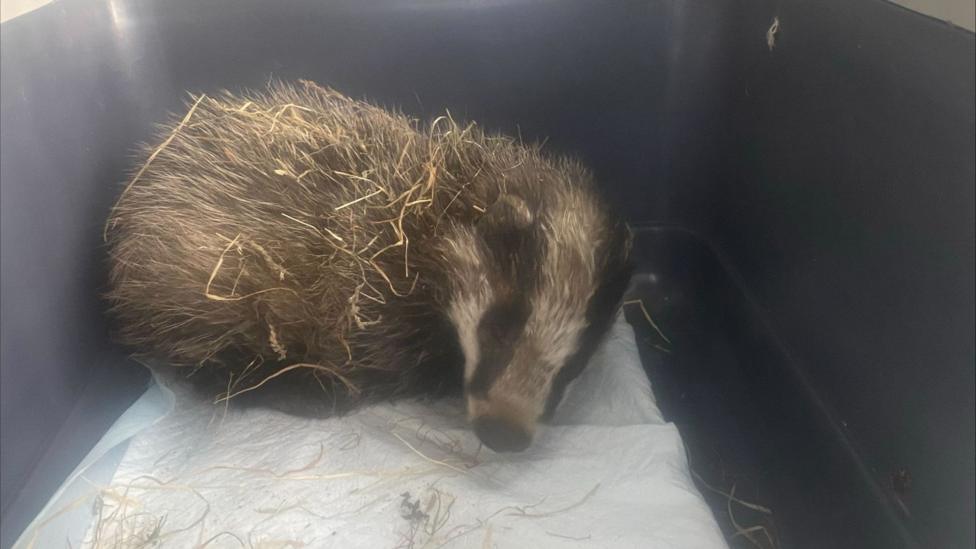
NatureScot said the welfare of the animal was its main concern
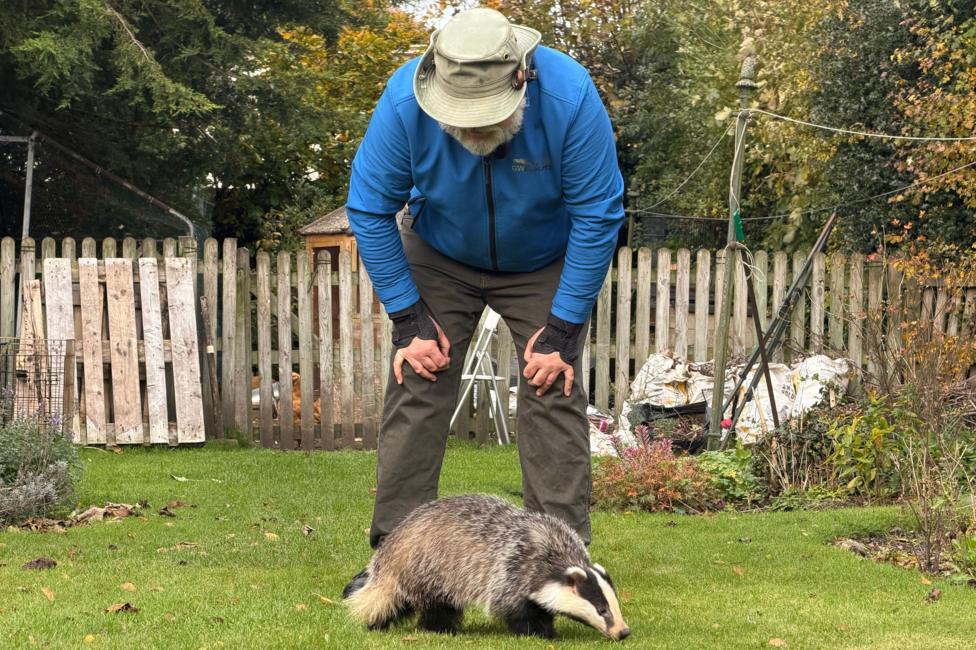
The ecologist said an educational licence to keep Harriet would allow him to promote understanding of badgers
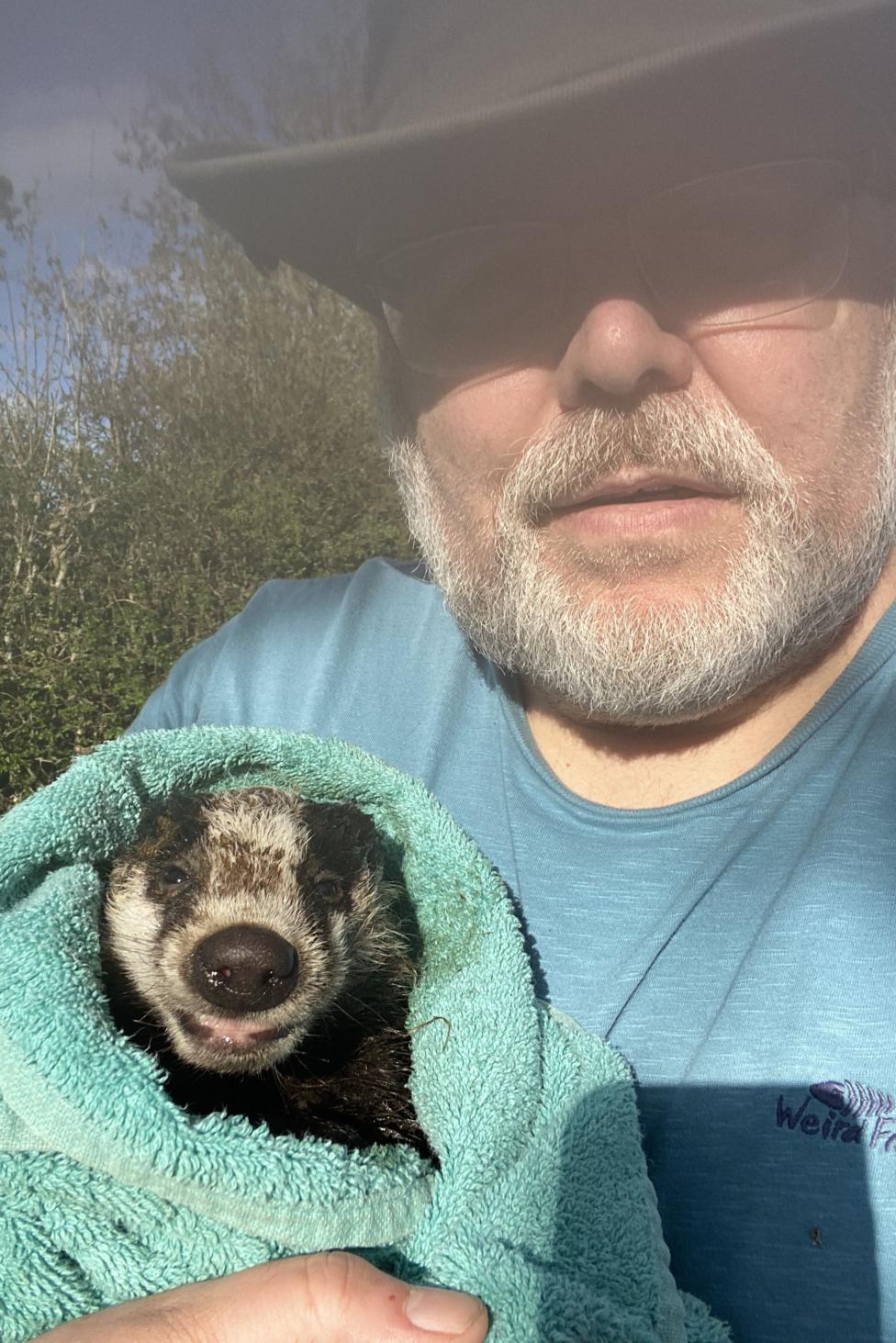
The Scottish SPCA advises the public not to attempt to hold or touch a sick or injured badger if they come across one