The key facts
- The US midterm elections take place on November 3 with Trump's approval rating at a record low of about 38%
- The US congressional midterm elections take place on November 3 with Trump's approval rating at a record low of about 38%
- The key campaign theme is the cost of living: diesel rose from $3.75 to a record $6.52 per gallon, and inflation grew from 3% to 3.7%
- Democrats are confident of winning the House of Representatives, but to control the Senate they need a net gain of at least four seats
- Democrats are confident of winning the House of Representatives, but to control the Senate they need a gain of at least four seats
The elections that could determine the finale of Trump's presidency
On November 3, Americans vote in the midterm elections, which will decide control of both chambers of Congress and, in the words of BBC correspondent Sarah Smith, the 'final chapter' of Donald Trump's presidency, who has two years left in office. The elections come at a difficult moment for the Republican Party: voters name the cost of living as the main problem, while food and fuel prices have risen, including because of the president's aggressive tariffs and the unpopular war with Iran.
The economy hits 'red' states
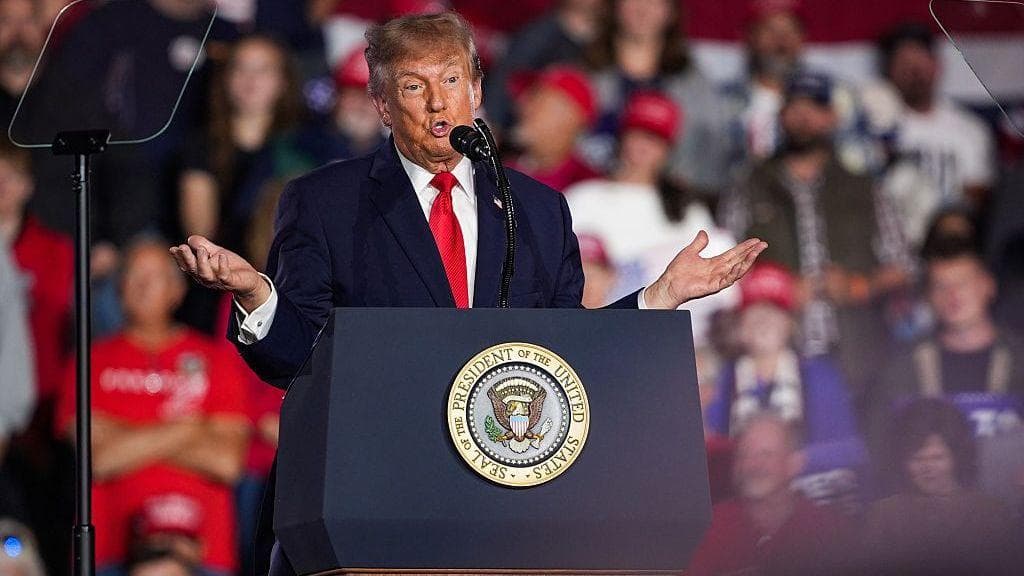
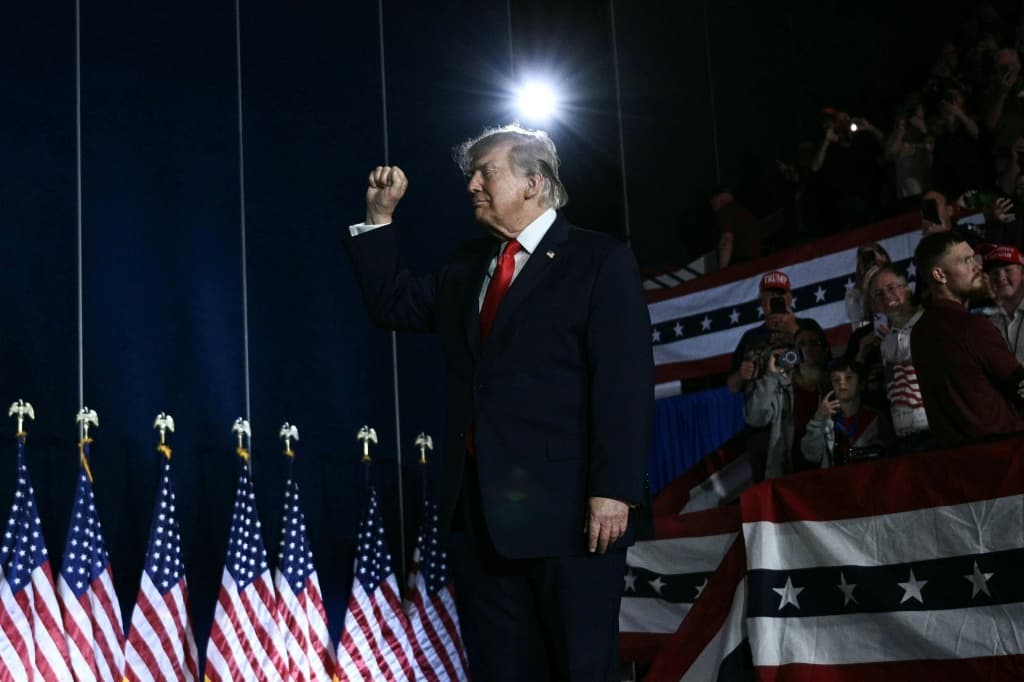
Trump, whose approval rating has fallen to record lows in recent months, has campaigned actively — he has held dozens of rallies across the country, including in Iowa and Kansas, traditionally reliable Republican territory. The party has poured hundreds of millions of dollars into advertising in seemingly safe races, such as the Kansas Senate election. 'When they start spending real money on political advertising in a state they should be winning, it means they think they have a problem,' Carrie Dunn, editor-in-chief of the Cook Political Report, told the BBC.
The numbers explaining Republican anxiety
The scale of the economic shift is visible in specific figures cited by the BBC: the price of a gallon of diesel fuel rose from $3.75 before the war began in February to a record $6.52 in September, while inflation increased from 3% when Trump entered the White House to 3.7% now. Economists estimate that without sweeping tariffs it would be lower. According to Stephen Hawkins of the polling company More in Common, it is precisely in America's 'heartland' — the South and the Midwest — that the most interesting Senate races are now taking place: states where Trump won by margins of 10–15 points two years ago have become places where Democrats have a real chance of a Senate seat.
Discontent with Trump does not mean love for the Democrats
However, as the BBC stresses, it would be an oversimplification to expect a Democratic triumph. Final polls, including a national NBC poll published on Sunday, show that Trump's approval rating stands at about 38%, but only 29% of voters view the Democratic Party positively. Discontent does not guarantee a switch of sides: Republicans in Iowa, whom Smith spoke with, criticize the war and prices, but say that Democrats still do not reflect their conservative values. 'A dollar added to the price of gasoline won't change what we believe,' said Tim McKinnon, who voted for Trump in 2024.
What is at stake: the House, the Senate and investigations
The Democrats expect to win at least the House of Representatives — historically, the party of a sitting president almost always loses seats in midterm elections. If that happens, the party will be able to block Trump's legislation, but, as the BBC notes, this worries the president little: he has already largely bypassed Congress by governing through executive orders. More dangerous for him are the investigations Democrats could launch, and possible impeachment of cabinet members — Defense Secretary Pete Hegseth is seen as a likely candidate because of the war in Iran. The Senate is far harder for the Democrats: of the 35 seats up for grabs, they need a net gain of four, or five if they lose Michigan. The key races are in Michigan, Texas, Ohio, Iowa, Maine, Alaska and North Carolina, and most of them are within the polls' margin of error.
Open questions: Trump's reaction and the lessons for 2028
The BBC points to an important caveat: polls have historically overstated Democratic figures and understated support for Trump, who apparently expects to confound them again. At the same time, he has repeatedly questioned the fairness and security of these elections, and the publication says the likelihood that he will do so again during the vote count is quite real. For both parties, this is the final electoral test before the 2028 presidential election: Democrats will be looking for answers to questions about whether they can win in Texas and attract rural voters, and their internal disagreements have already surfaced publicly, including in Michigan over the weekend.
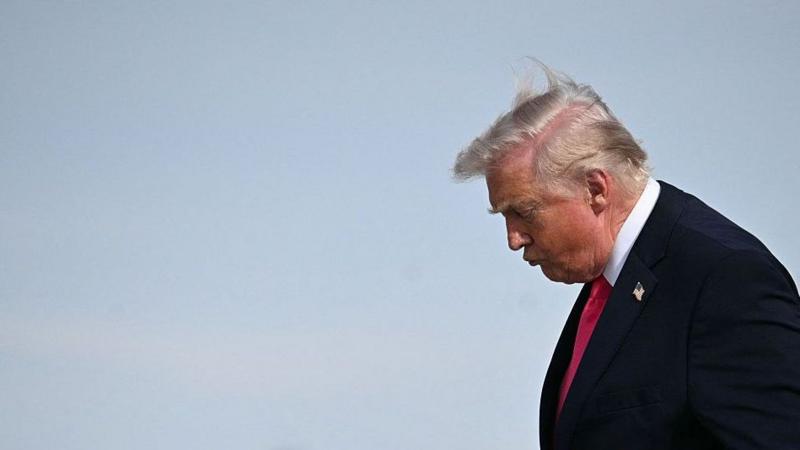 Image source, Getty Images
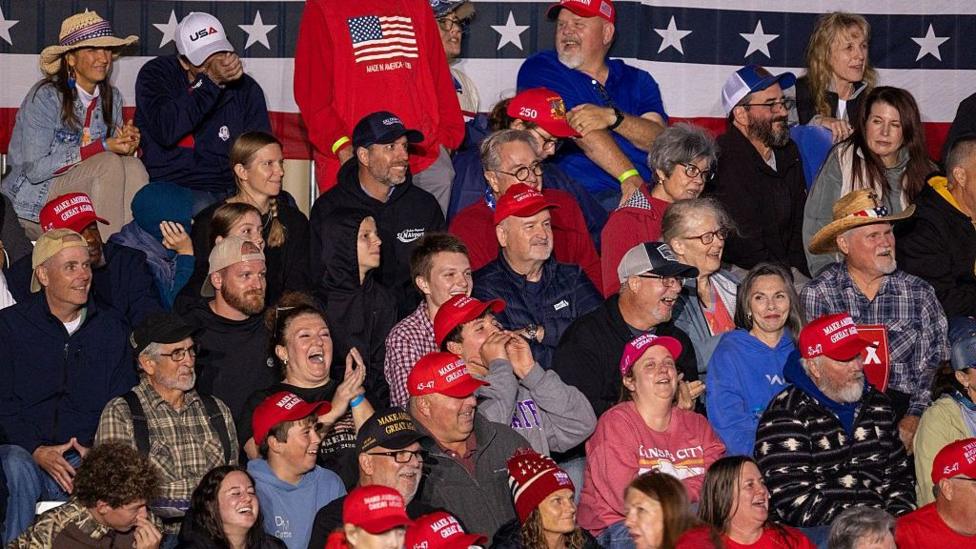 Image source, Getty Images
Trump held a rally in Kansas, a traditionally safe Republican state, on Sunday as polls suggest the Senate race may be in play for Democrats
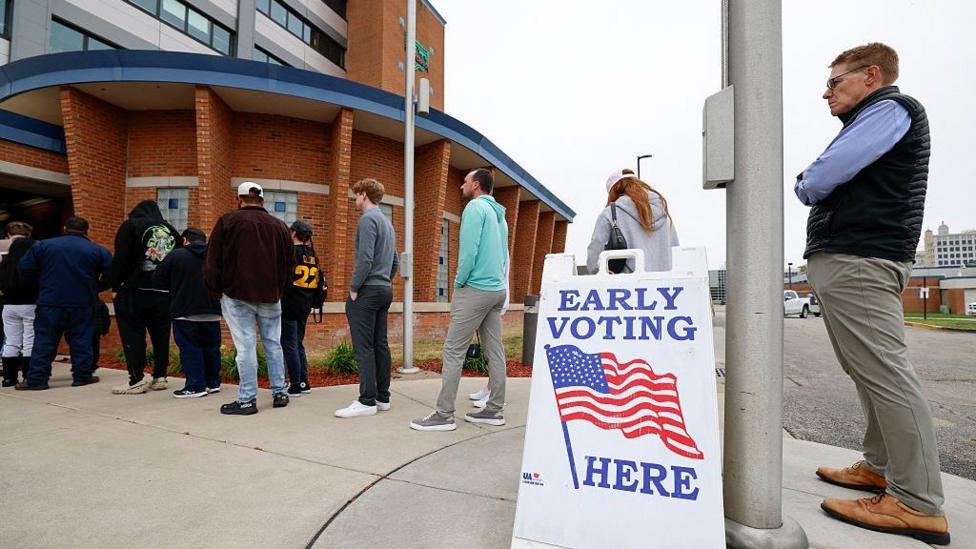 Image source, Getty Images
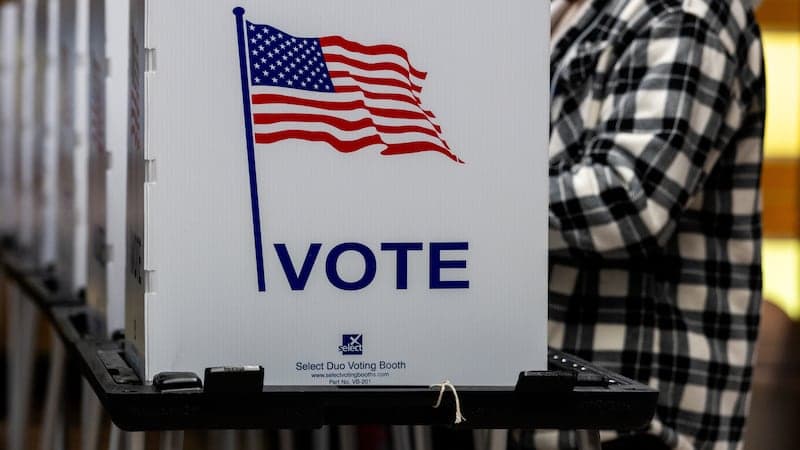
Millions of Americans voted early - and millions more will head to the polls throughout Tuesday