The key facts
- Trump held rallies in Florida, Iowa and Kansas — states previously considered reliably Republican
- A Harvard University forecast gives Democrats a 96% chance of winning the House and 76% for the Senate
- In Michigan, Democrat Haley Stevens unexpectedly endorsed Republican Mike Rogers in the Senate race
Final push before the election
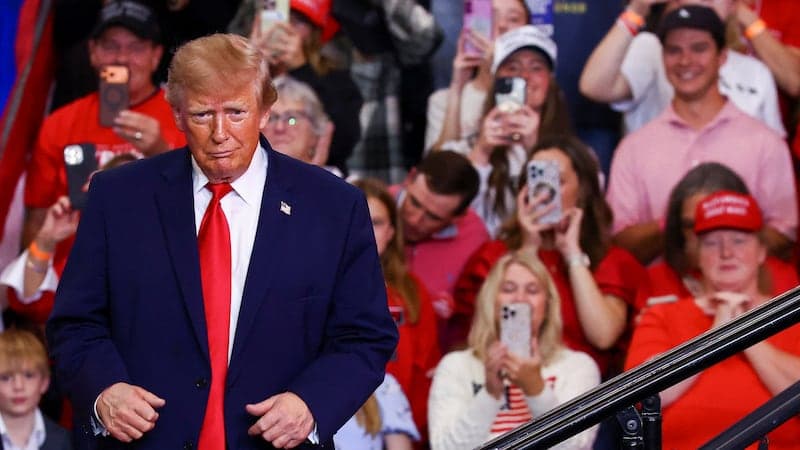
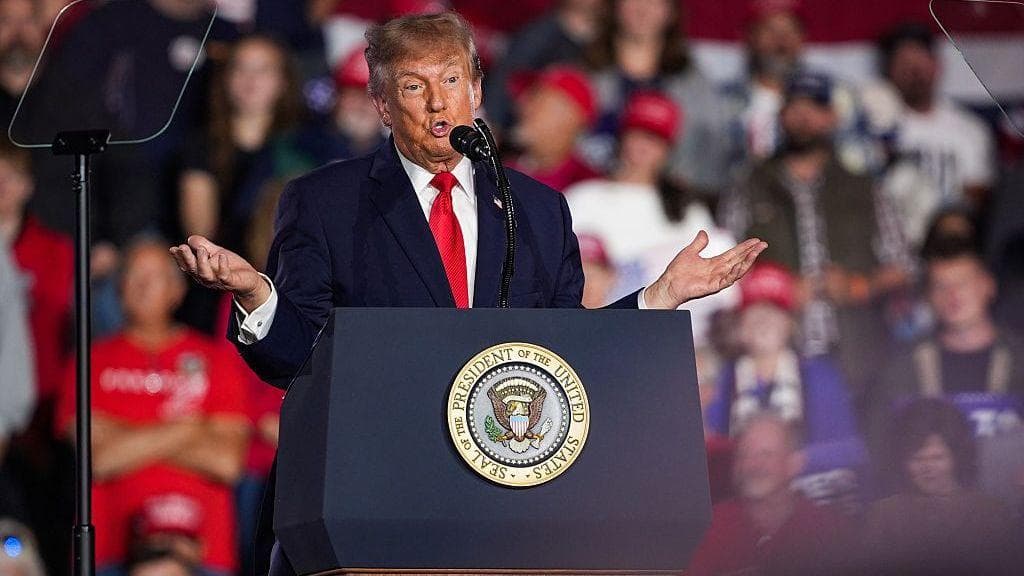
On the last weekend before the midterm elections, US President Donald Trump held rallies in Florida, Iowa and Kansas, as well as tele-rallies for candidates in Michigan, Ohio and Pennsylvania, BBC News reported. Notably, Trump had previously won all three states with in-person rallies easily, and they were considered reliably Republican — his visits there in the final days of the campaign reflect how competitive the battle for control of Congress has become.
Prices as the main vulnerability
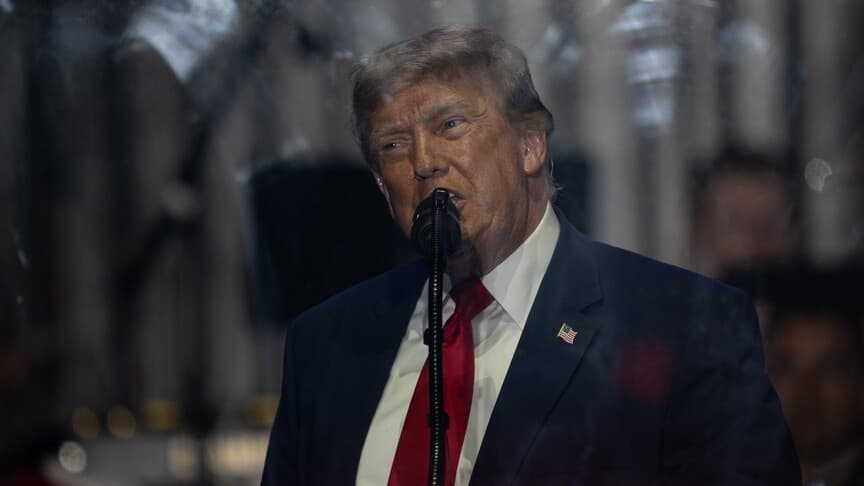
The main theme of the campaign has been the rising cost of living: according to the BBC, prices for fuel, groceries and healthcare have risen since the start of the war in Iran more than eight months ago. At his rallies, Trump tried to shift attention away from this topic by attacking Democrats, claiming they would 'ruin' families, 'open the border' and 'take away guns'. House Democratic Leader Hakeem Jeffries said this weekend that he was 'very confident' of his party's victory in the House elections.
Forecasts and an unexpected twist in Michigan
A forecasting model from Harvard University, combining numerous polls and historical data, gives Democrats a 96% chance of taking the House of Representatives and 76% for the Senate. A national NBC News poll shows Democrats with a 7 percentage point lead (52% versus 45%). This same weekend, a dramatic twist occurred in Michigan: Congresswoman Haley Stevens, who lost the Democratic primary to Abdul El-Sayed, endorsed Republican Mike Rogers in the Senate race. This drew condemnation from her fellow party members and praise from Trump, who called her 'very brave'.
Disputes over voting legitimacy
In the run-up to the election, Trump and his administration have repeatedly questioned the integrity and security of voting, even though data show that voter fraud is extremely rare. The Department of Justice has opened investigations or demanded delays in vote counting in several states. In particular, in Alaska, a judge on Sunday rejected the Trump administration's attempt to delay certification of the election results in the event of a loss by the incumbent Republican senator, due to the appearance on the ballot of two candidates with the same name, Dan Sullivan.
What is at stake
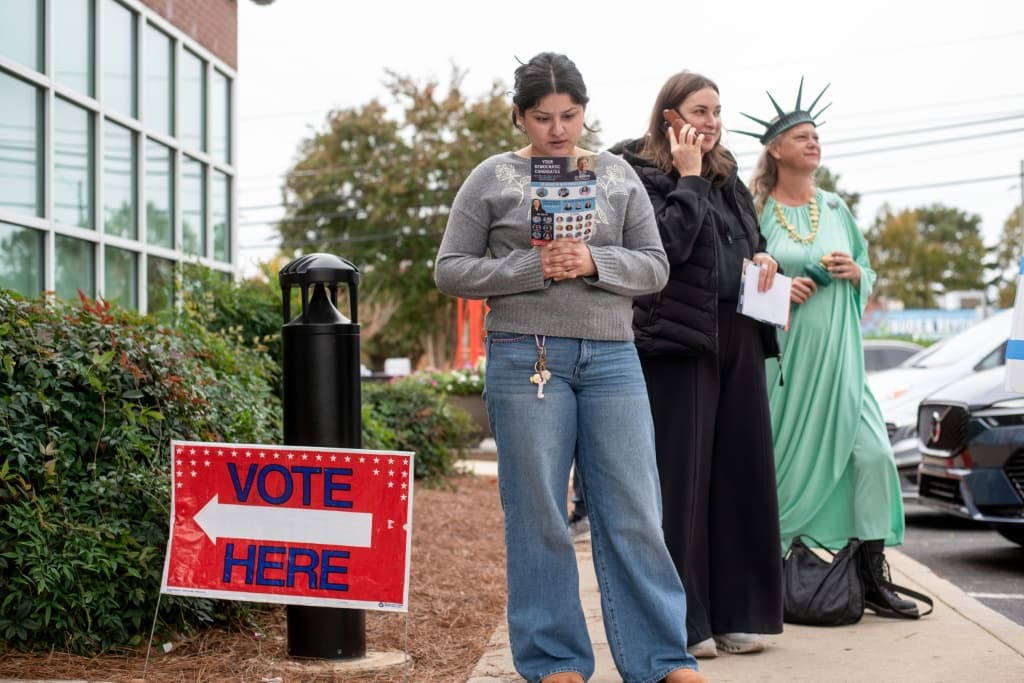
Republicans hold a narrow majority in both chambers of Congress; losing any number of seats would complicate the passage of legislation. For Democrats, victory would give them the power to block Trump's agenda, obtain investigative powers over his administration, and showcase their platform ahead of the 2028 presidential election. By tradition, the president's party usually loses seats in midterm elections, so it is the Republicans who have the most to lose. The results of the vote will be known on Tuesday.
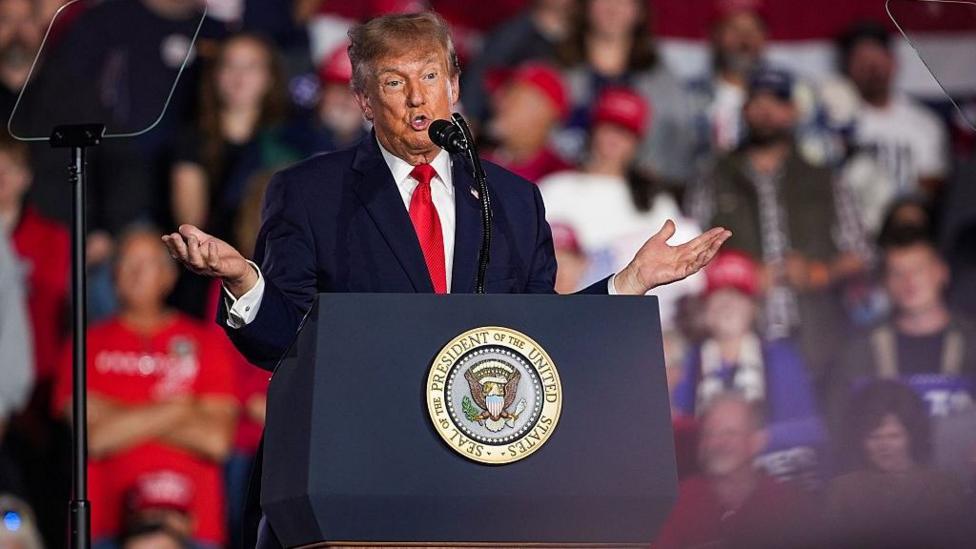 Image source, Getty Images
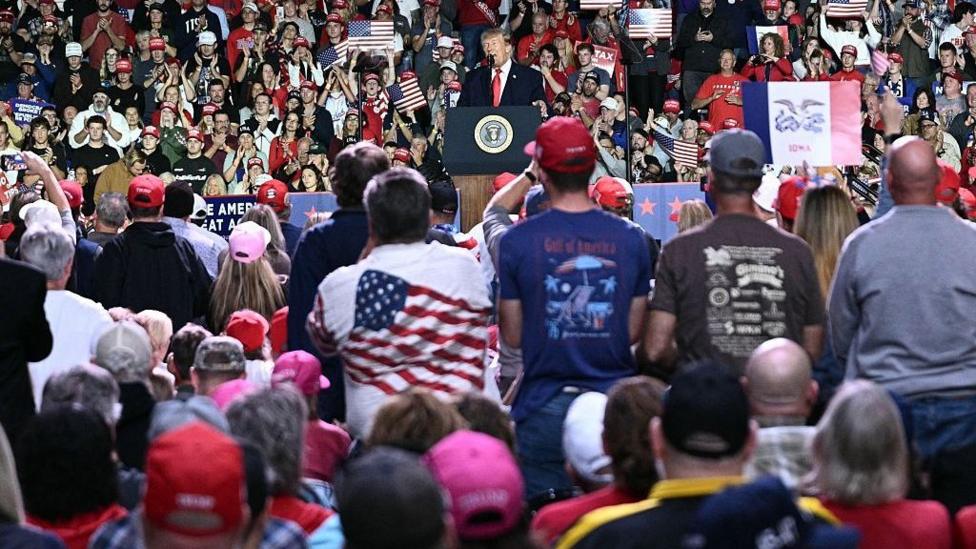 Image source, AFP via Getty Images