The key facts
- The 2026 Goncourt Prize was awarded to Philippe Jaenada for a 528-page investigation into the murder of a young woman on a Seine embankment in the late 1950s
- All four finalists were published by imprints of the Madrigall group
- Télison Aurélien's novel was removed from the second round on September 25 amid suspicions of AI use and plagiarism accusations
The 2026 laureate
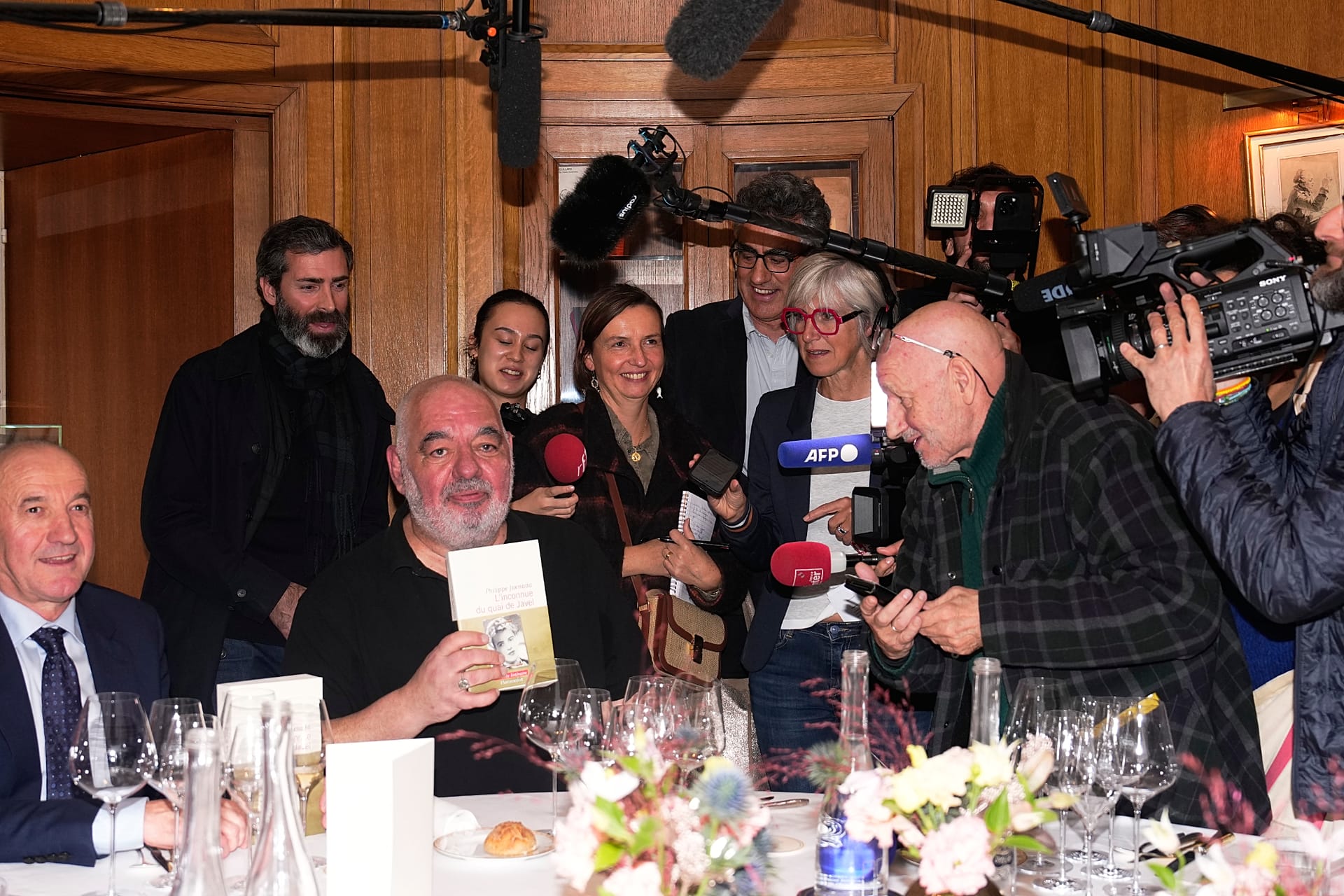
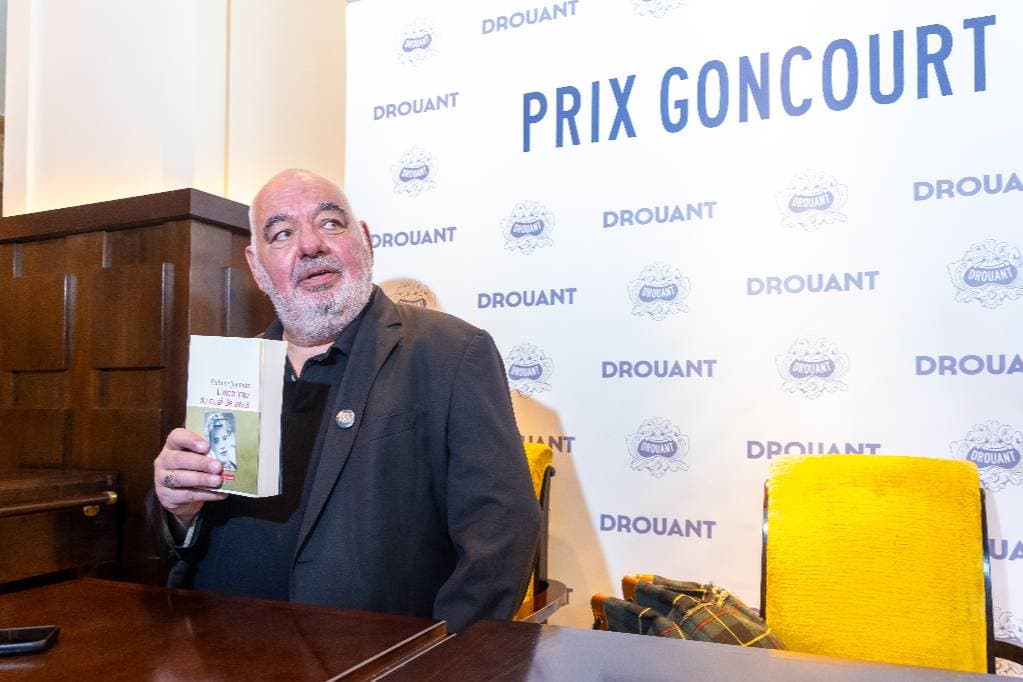
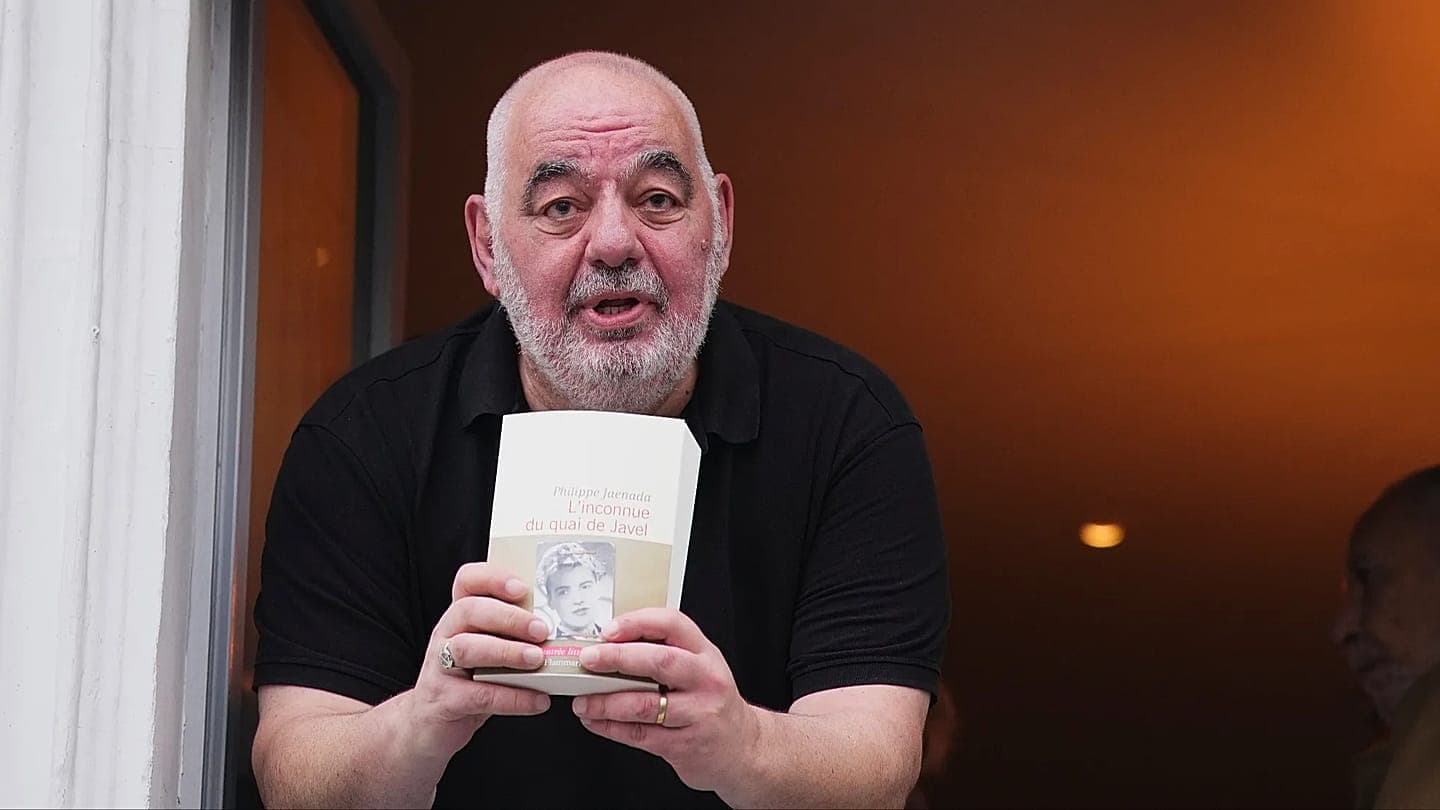
The jury of the Académie Goncourt, meeting at the Paris restaurant Drouant, awarded the 2026 prize to Philippe Jaenada for the novel “L'Inconnue du quai de Javel,” published by Flammarion. The 528-page book is an investigation into the murder of a young woman found dead on a Seine embankment in the late 1950s. The 62-year-old author has already written about criminal cases — among his books are “Sulak” (2013), “La Petite Femelle” (2015) and “La Serpe” (2017). This was reported by Euronews in its Russian- and English-language versions of the story.
“The Madrigall prize?”
All four finalists, announced on October 27, were published by imprints of the Madrigall group: Gallimard released Yannick Haenel's “La Solitude des professeurs est infinie” and Clémentine Mélois's “Choses que je croyais perdues,” Flammarion published Jaenada's novel, and Éditions de Minuit issued Sylvain Prudhomme's “De l'autre côté du lac.” Thus, the commercial effect of the prize went to the group led by Antoine Gallimard either way. The laureate receives only a symbolic check for 10 euros, but the winning book usually becomes a bestseller ahead of Christmas: last year's winner, Laurent Mauvignier's “La Maison vide,” also published by Éditions de Minuit, sold nearly 640,000 copies.
Booksellers' criticism
Lyons bookseller Guillaume Pertuy, head of the independent shop L'œil cacodylate, called Jaenada's book “accessible” and aimed at a broad audience, but in his view the Academy “did not reward a particularly ambitious work.” He pointed out that a shortlist made up entirely of Madrigall authors “does not protect independence and bibliodiversity,” and noted that the day before, the Médicis prize also went to a Flammarion book. “The prize system cannot be won by just one group,” — Euronews quotes him as saying.
The shadow of the AI scandal
The prize took place against the backdrop of a scandal that reshaped the season's landscape: the novel “C'était ça ou mourir” by Canadian-Haitian writer Télison Aurélien was considered the favorite, but the jury removed it from the second round of voting on September 25 — first because of suspicions of massive use of artificial intelligence, to which plagiarism accusations were added. The author ultimately admitted that he had used AI for “research.” The Montreal publishing house Éditions du Boréal, which had worked with him for many years, officially ended its collaboration and announced that the book would not be republished; in France the rights belong to billionaire Vincent Bolloré's Grasset. According to Euronews, the story shook the literary world and for weeks made the future of the writing profession a subject of debate — against this backdrop, the jury's choice of an experienced author of documentary investigations looks conservative, although the jury members themselves did not explain their motives.
Historical background
The prize was established under Edmond de Goncourt's 1892 will and first awarded on December 21, 1903. A writer may receive it only once in a lifetime; the sole historical exception is Romain Gary, who won in 1956 under his own name and in 1975 under the pseudonym Émile Ajar. In 1951, Julien Gracq became the first to refuse the prize, for his novel “Le rivage des Syrtes,” seeking to condemn the jury's incompetence, commercial literature and the “manufacture of success.” On the same day as the Goncourt, the Renaudot prize went to François-Henri Désérable for the novel “Le Palais,” also published by Gallimard.