The key facts
- About 670 garment factories suspended operations amid protests demanding a minimum wage increase to 30,000 taka (about $245)
- The government has created a wage review commission; Prime Minister Tarique Rahman held an emergency meeting
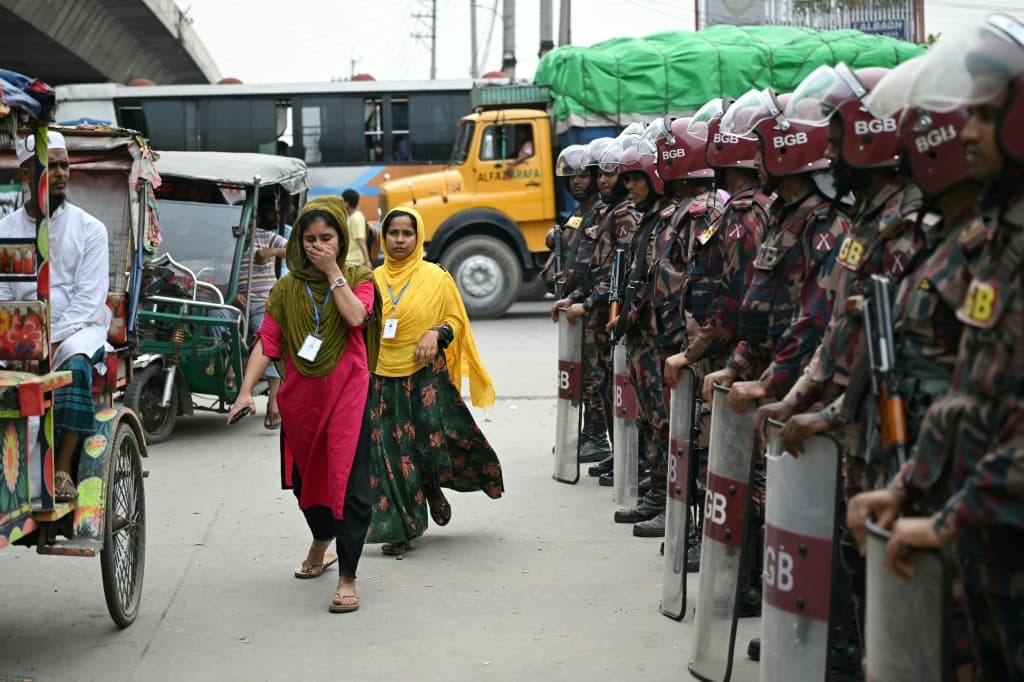
- Paramilitary forces Border Guard Bangladesh have been deployed in Gazipur and Narayanganj; dozens of protesters detained
What is happening
Protests by garment industry workers are continuing in Bangladesh, with demands to raise the minimum monthly wage to 30,000 taka (about $245) — roughly double the current 12,500 taka. As BBC News reports, on Sunday demonstrations in Dhaka escalated into unrest: protesters blocked roads, ransacked factories and set vehicles on fire, while police used tear gas. According to AFP, by Tuesday the protests had entered their fourth day, and units of the paramilitary border force Border Guard Bangladesh have been deployed in the industrial suburbs of the capital, using drones to monitor the situation.
Scale of the production shutdown
According to industry representatives cited by Reuters and AFP, at least 670 factories suspended operations on Monday, and hundreds of enterprises in Dhaka, Ashulia, Gazipur and Narayanganj will remain closed on Tuesday as well. The industry produces clothing for major international brands — from H&M, Primark and Uniqlo to Fruit of the Loom, Levi Strauss and VF Corp (Vans, Timberland, The North Face) — and brings the country about $38–40 billion in export revenue annually, accounting for the bulk of exports and around 10% of GDP. Industry sources fear that prolonged unrest will disrupt production and supplies to international customers, the state agency BSS reported.
Government response and detentions
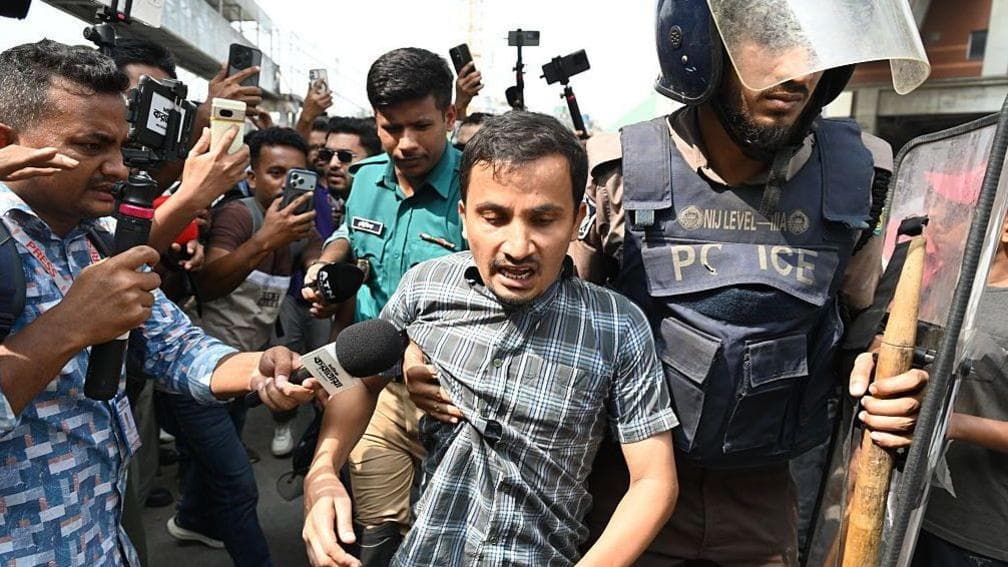
On Sunday the government announced the creation of a wage review commission, and Prime Minister Tarique Rahman held an emergency meeting with ministers. However, workers did not return to the factories. According to Dhaka police, at least 29 protest participants had been detained by Monday; AFP, citing the metropolitan police, gives a different figure — 33 detainees over the past 24 hours, who are linked to the banned party of former leader Sheikh Hasina, the Awami League. Police have also opened cases against thousands of unidentified protesters for setting police vehicles on fire and damaging property; according to police representative Kamrun Munira, 58 police officers have been injured since the protests began. Home Minister Salahuddin Ahmed, without presenting evidence, accused Hasina's supporters of attempting to 'destabilize the country' under the cover of trade union protests.
Workers' demands
Workers explain the protests by rising prices: inflation in the country stands at about 8%, with food, housing, transport and utilities all becoming more expensive. 'Prices for groceries, gas and electricity bills have gone up — the government must either lower the prices of essential goods or raise wages,' Mamun, a 28-year-old garment worker, told AFP. Babul Akhter, the workers' representative on the wage commission, on the contrary, urged colleagues to return to the factories, promising to 'fight for a fair wage.' One female worker in Gazipur, speaking to AFP, expressed concern that the protests would not subside until the commission announced a wage increase, and asked why the authorities had not created it in advance instead of waiting for people to take to the streets.
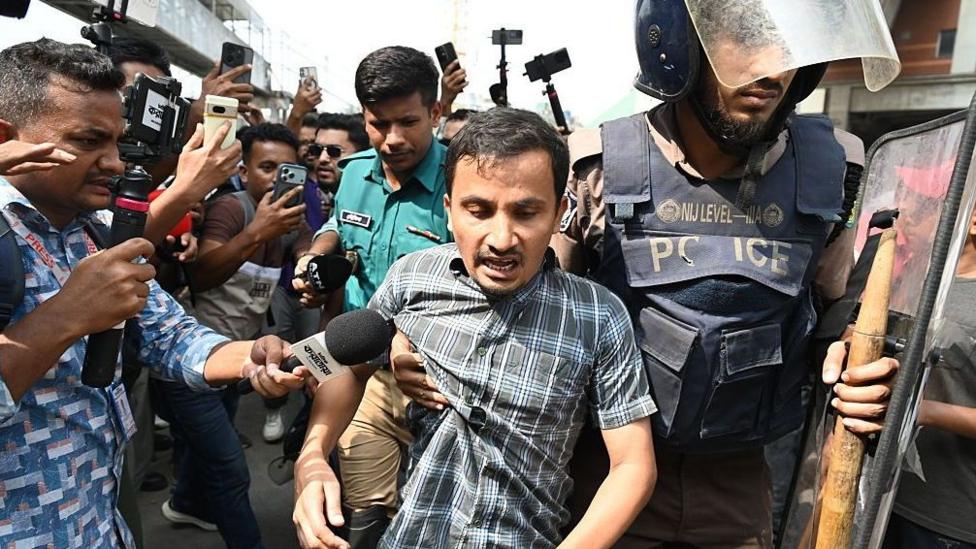 Image source, Getty Images
Protests turned violent with protesters blocking roads, vandalising factories and setting vehicles on fire
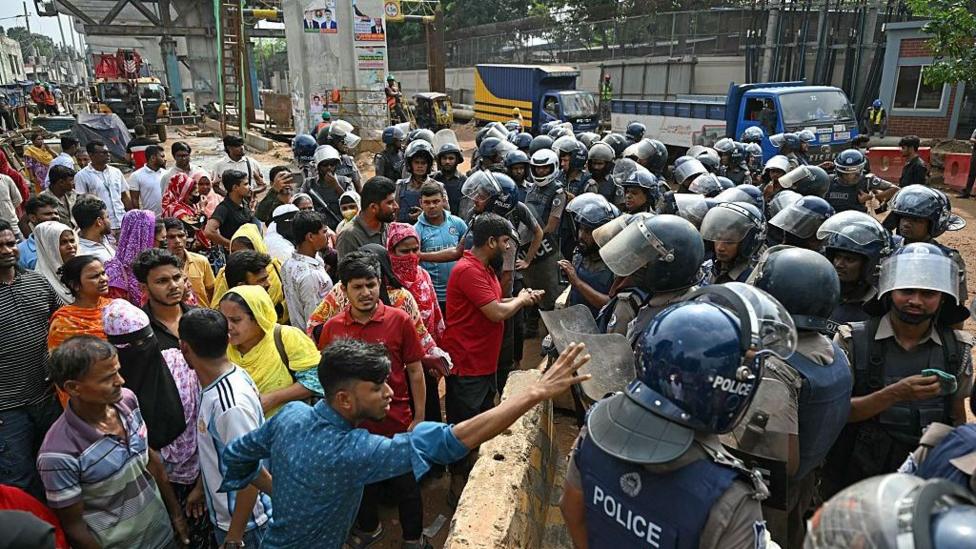 Image source, AFP via Getty Images
Garment workers demanding better wages clashed with police