The key facts
- Pashinyan called 2027 and 2028 realistic timelines for submitting an EU membership application
- No official application has been submitted yet; the visa liberalization dialogue with the European Commission is expected to conclude by 2029
- Pashinyan acknowledged the choice between the EU and the Eurasian Economic Union and left it to the people of Armenia
The timeline for submitting the application has been called 'realistic'
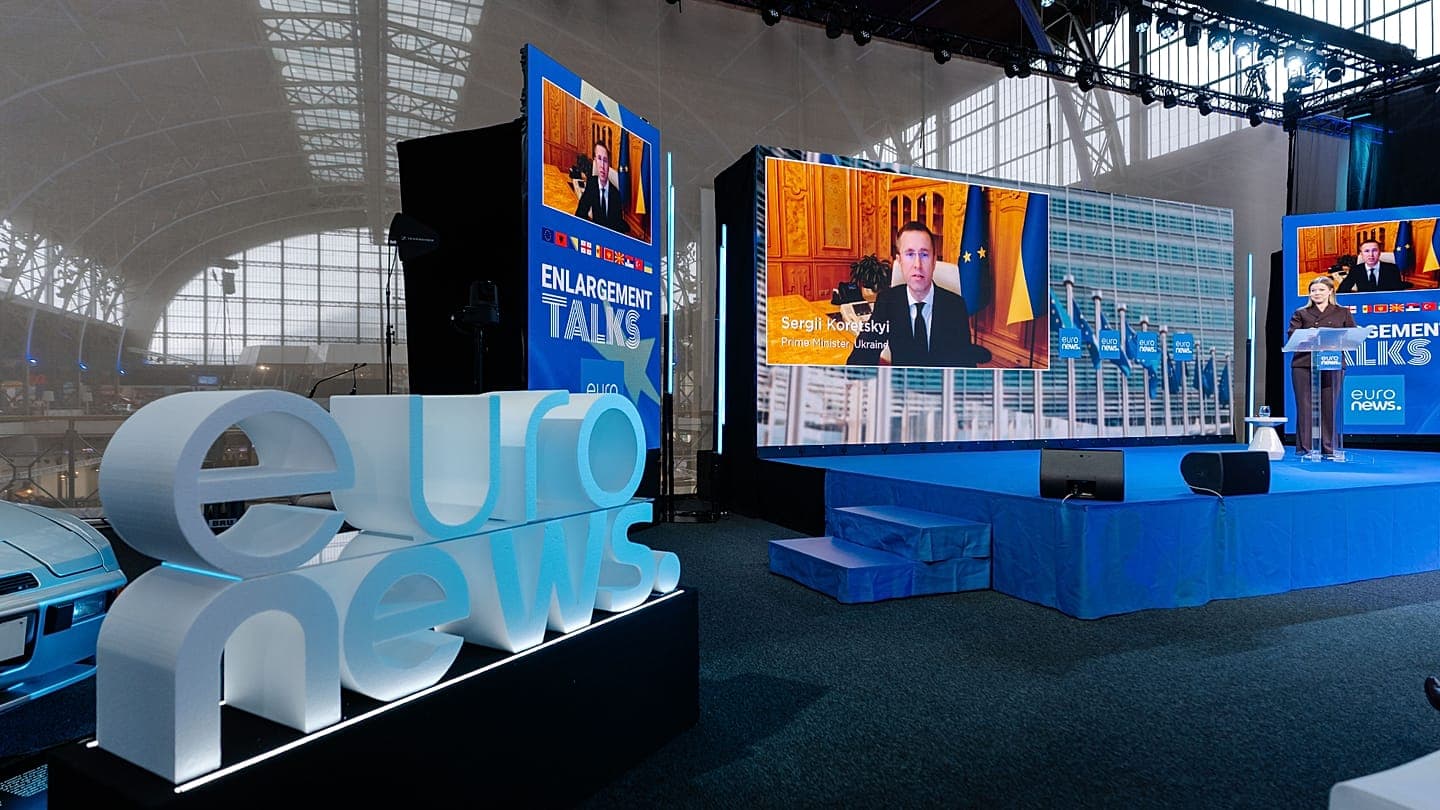
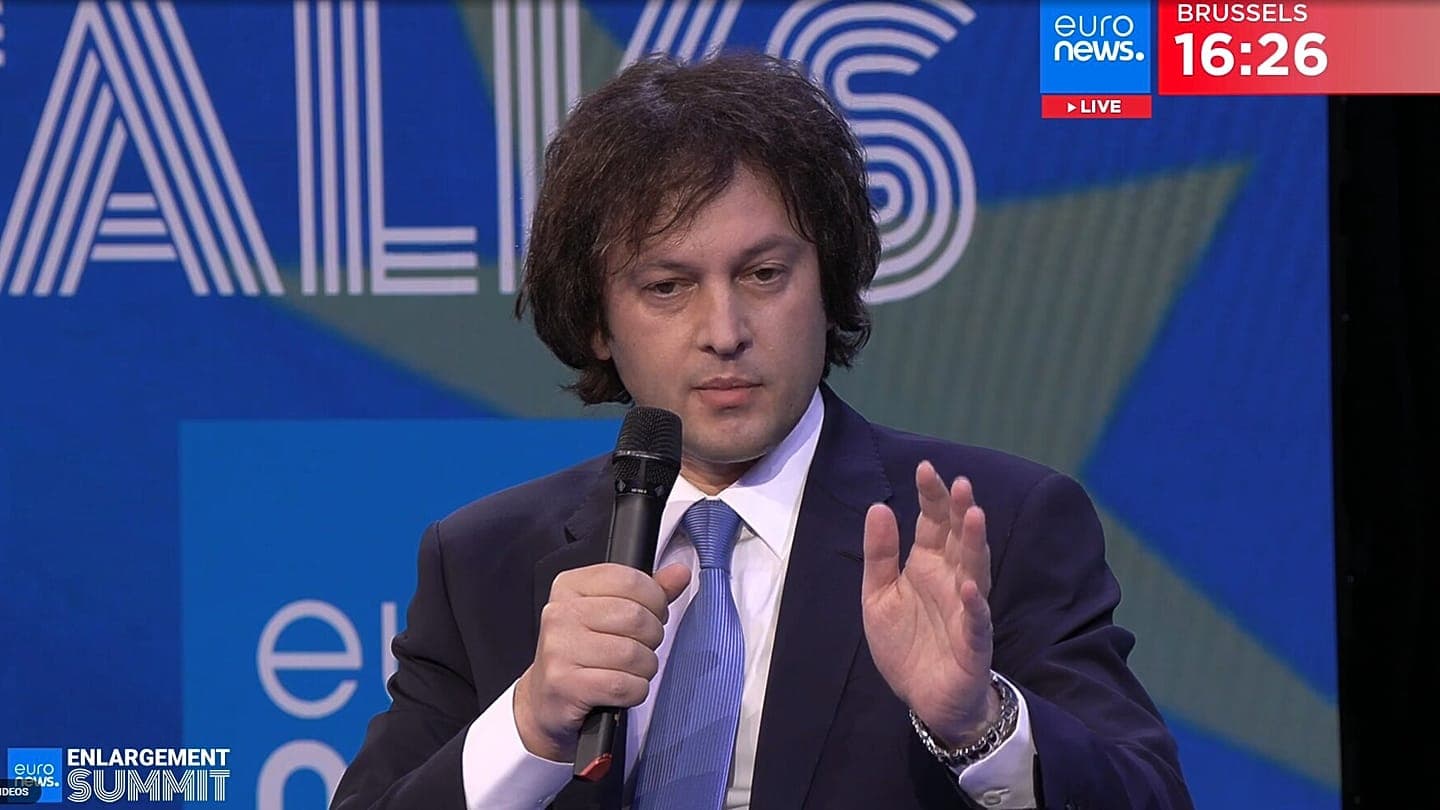
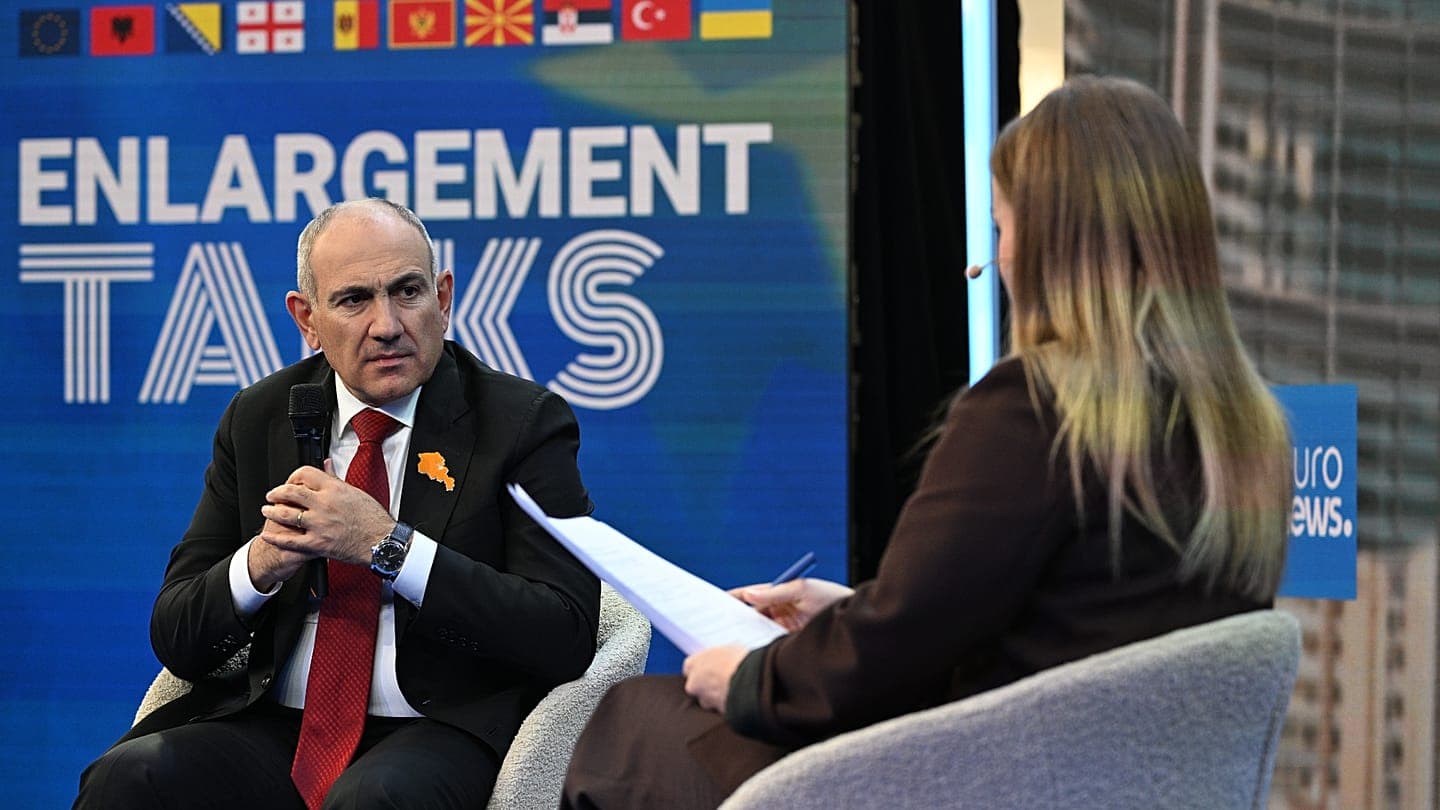
Armenian Prime Minister Nikol Pashinyan stated at the Euronews summit on EU enlargementthat submitting an official application for European Union membership in 2027 or 2028 is 'realistic.' 'Next year we can talk about realism. 2028 is also realistic,' he said. 'We have begun a process that will lead us to a final decision to apply for formal membership in the European Union.' However, as Euronews notes, Yerevan has not yet submitted an official application.
From an August statement to concrete timelines
The new clarification of the timeline builds on the position Pashinyan voiced back in August, speaking in the national parliament, when he said that the government intends to submit an application for EU membership 'in the near future', as Euronews reports. Now, three months later, the prime minister has named specific years for the first time. At the same time, Armenia is conducting a dialogue with the European Commission on visa liberalization and expects to complete this process by 2029.
A choice between the EU and the EAEU, and Russia's reaction
For Pashinyan, EU membership is a strategic choice to protect Armenian democracy after the 2018 revolution that removed pro-Russian politicians from power. He emphasized that he wants to 'create an alternative for the people of Armenia,' since it was traditionally believed that the country had none. Pashinyan acknowledged that there is a choice between joining the EU and maintaining membership in the Eurasian Economic Union, and that it is up to the people of Armenia to make it. According to Euronews, Russia threatened retaliatory measures, in particular cutting off energy supplies; the prime minister responded that the government seeks to diversify its political and economic ties: 'If there is no balance in any relationship, there is always a risk.' Responding to remarks by former Russian President Dmitry Medvedev that Armenia could become 'the next Ukraine,' Pashinyan rejected the comparison and named the protection of the country's independence as a priority. He also said that Armenia is inspired by Georgia's determination to become a full member of the EU.