The key facts
- Qatar held large-scale drills at Hamad airport, Egypt put its air defenses on high alert and is monitoring wheat stockpiles
- Qatar held large-scale drills at Hamad Airport, Egypt put its air defenses on high alert and is monitoring wheat stockpiles
- Iranian state media published instructions for the population in the event of a nuclear strike
- Iranian state media published instructions for the population in case of a nuclear strike
- Trump ruled out the use of nuclear weapons but allowed for the use of the non-nuclear MOAB bomb
The region is preparing for a possible escalation
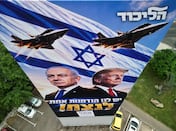
Several Middle Eastern countries are raising their level of readiness: conducting drills at key facilities, building up food reserves and testing military capabilities. As The National reports, this is happening against the backdrop of Iranian attacks on shipping routes that are disrupting supply chains, and US-Iranian talks that have reached a deadlock, raising the risk of a broader war. Repeated threats by US President Donald Trump to resume strikes in the absence of a diplomatic settlement are amplifying these concerns; in the event of a new large-scale conflict, Israel is expected to once again join the United States.
What specific countries are doing
Qatar, which has come under Iranian strikes since the start of the war, held a full-scale emergency exercise at Hamad International Airport as part of an annual drill. Qatar Airways said that 'contingency planning and operational readiness activities' are underway both at the airport itself and in the surrounding airspace. In Egypt, according to sources in the security services in Cairo, the armed forces have been placed on high alert: air defense systems have been reinforced along the lengthy Red Sea coastline and at the Suez Canal in case hostilities spread. The country of 110 million is monitoring strategic reserves of basic foodstuffs, primarily wheat flour, in case supplies are disrupted by the conflict in the Red Sea: at the end of last month, the authorities announced that stocks of basic products cover six months, and the state importer Future of Egypt purchased five batches of wheat — one of the largest purchases in six months.
Military drills and instructions for the population
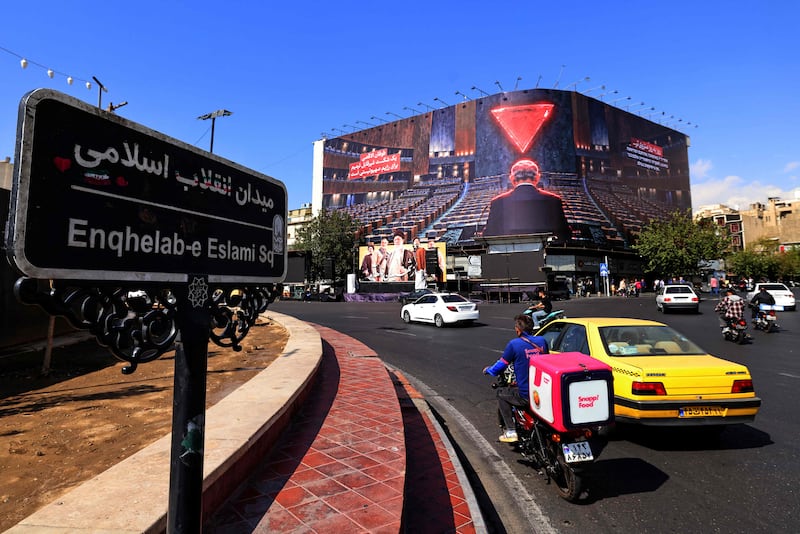
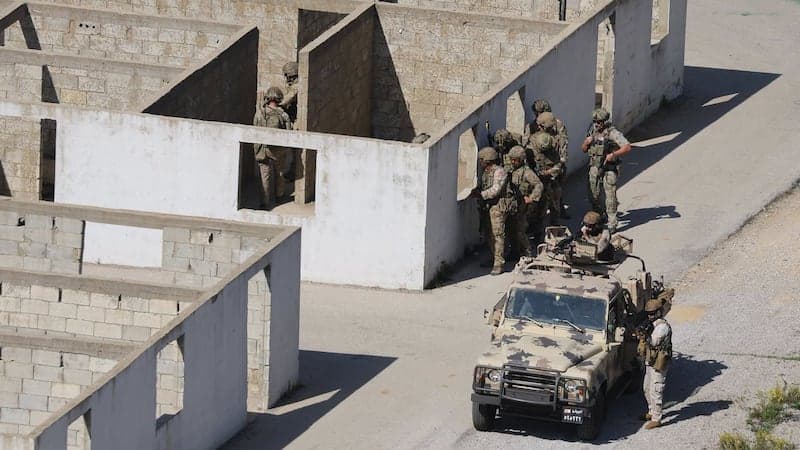
The Israeli army announced that a search-and-rescue brigade will conduct an exercise this week, rehearsing 'multi-front scenarios' and coordination with other forces and emergency services. Jordanian military and security agencies held a joint exercise at the end of last month to 'enhance effectiveness and readiness,' the official Petra agency reported; the operator of the country's main airport, Queen Alia, conducted an emergency response drill there on October 20. Ten days ago, Lebanese and British troops completed a three-week joint exercise in Lebanon aimed at strengthening cooperation between the armies. Iranian state media, for their part, published a video with instructions in the event of a nuclear strike: take shelter indoors, do not look at the site of the explosion, if unable to take shelter lie on the ground behind cover and cover your head, and after the shock wave passes, enter the nearest building — do not stay outside, do not take photographs and do not take shelter in a car.
Nuclear weapons ruled out, but tensions are rising
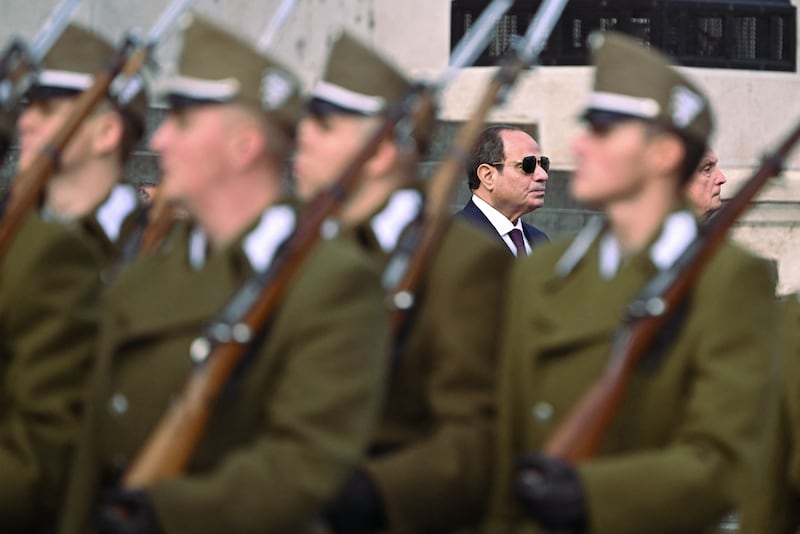
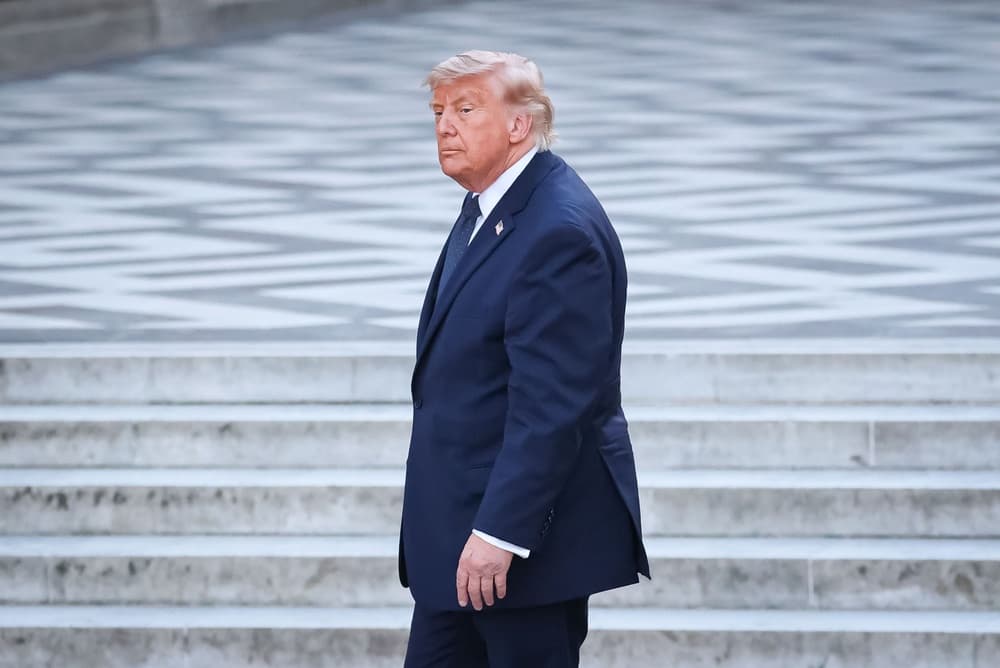
Donald Trump has ruled out the use of nuclear weapons against Iran, but left open the possibility of using the non-nuclear GBU-43/B Massive Ordnance Air Blast bomb (MOAB), which he called an 'extremely large conventional munition.' As The National notes, drills and exercises do not necessarily signal the imminence of a full-scale war, yet the US–Iran confrontation and growing anxiety over the possible consequences of a new round of hostilities have created a climate of uncertainty in the region. Egyptian President Abdel Fattah El Sisi said on Tuesday that military escalation would have 'catastrophic' consequences for the region and the entire world, and called on all parties to pursue a diplomatic solution 'before it is too late.' Egyptian Foreign Minister Badr Abdelatty warned at the IISS Manama Dialogue forum in Bahrain: 'A second round would be more dangerous, more destructive, and it would lead nowhere,' noting that disruption of shipping routes could affect global energy and food security, financial markets, supply chains and international trade. The US–Iran war, which began in February, has already caused, according to the publication's assessment, the deepest energy shock in modern history: oil prices have soared, and the cost of living has risen across much of the Middle East and Europe.