The key facts
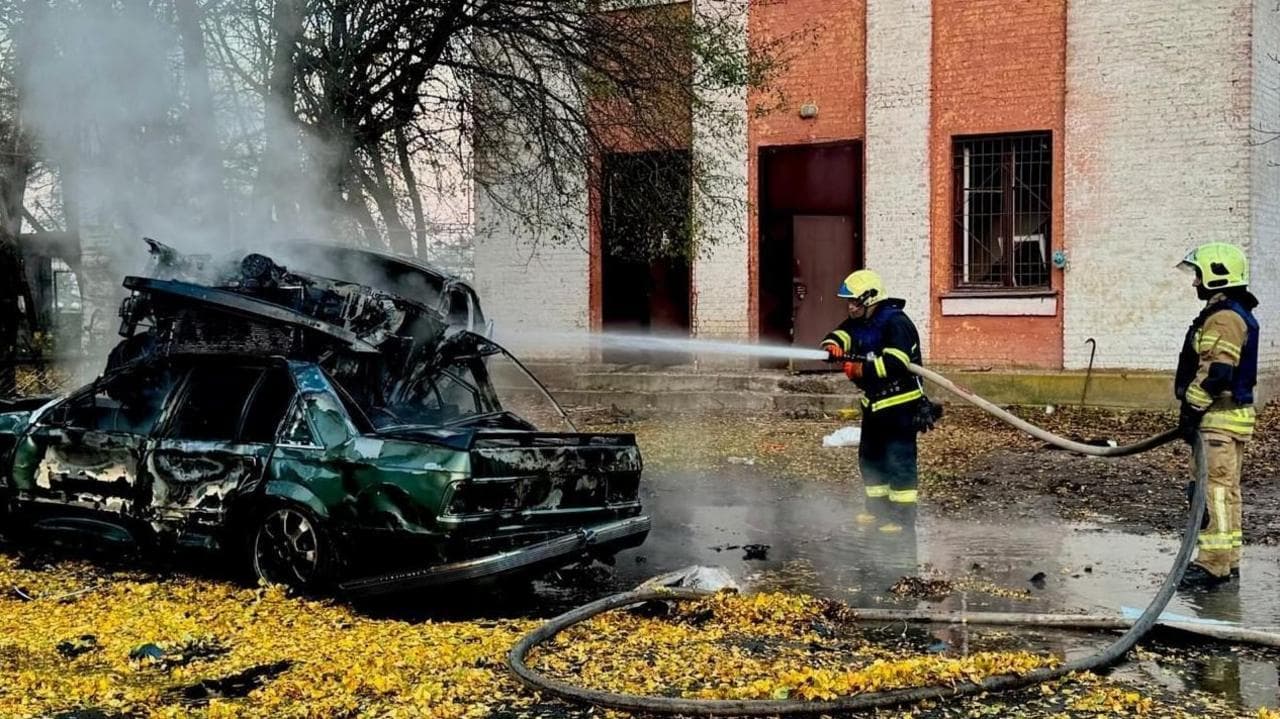
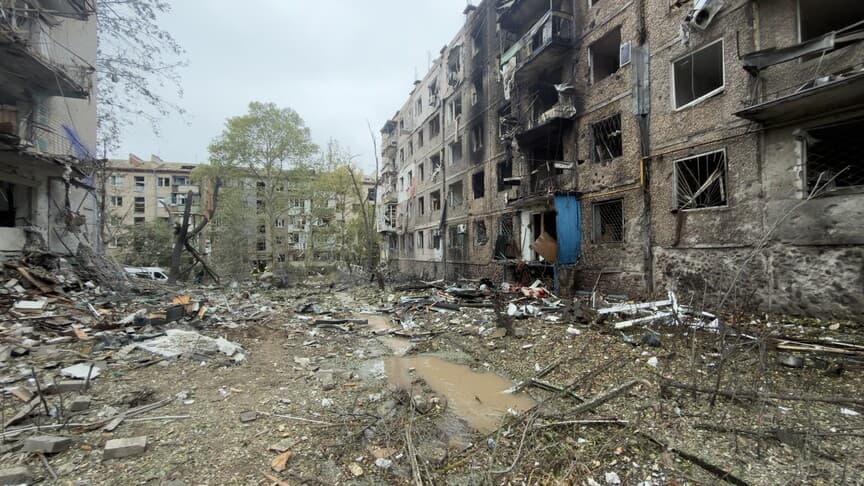
- At least 26 killed in strikes on a school where humanitarian aid was being distributed, including two rescuers and four police officers
- The Oleshky ceasefire, the longest of the war, expired without violations; Kyiv says Moscow refused to extend it
- Russia–Ukraine talks with US participation will take place on November 10–11 in Abu Dhabi
Strikes hours after the ceasefire expired
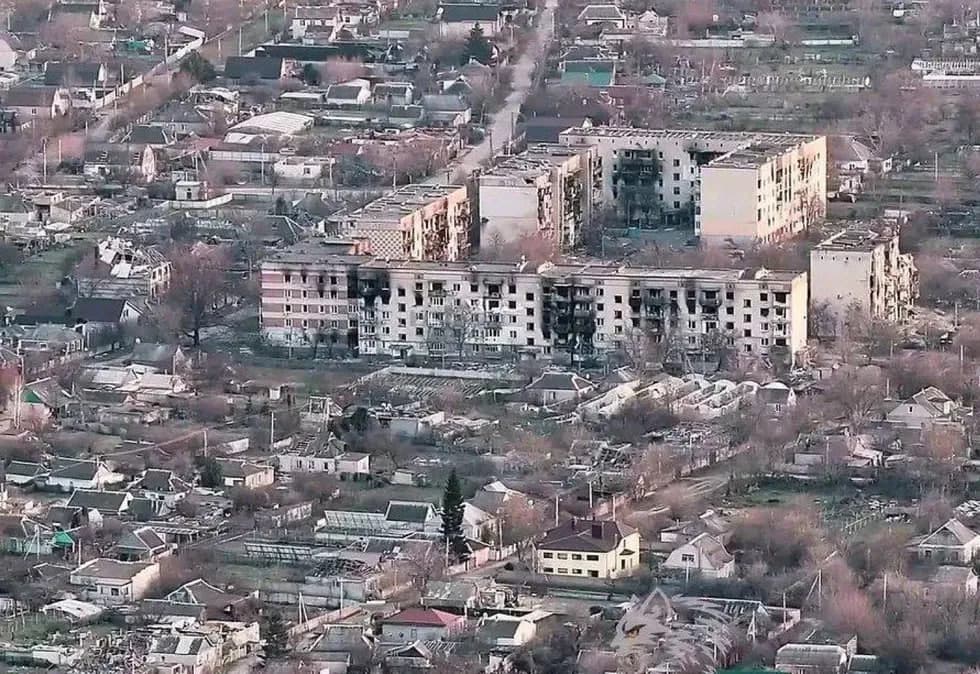
Ukraine reported that after the end of the local ceasefire in the south, Russian strikes on a village in Zaporizhzhia region, which borders Kherson region, killed at least 26 people. Some of the victims had come to the local school to receive humanitarian aid; according to AFP, the school was turned into smoking rubble. The acting head of the regional administration, Mykhailo Semikin, wrote on Telegram that among the dead were 'two rescuers and four police officers'; the rescuers were named as 44-year-olds Denys Konovalenko and Oleksiy Sushchevsky. President Volodymyr Zelensky said in his daily address that the first strike with several aerial bombs came just as people were arriving to collect aid — 'humanitarian aid was distributed there every Monday' — and that a follow-up strike targeted the shelter.
The war's longest ceasefire expired without violations
The pause in fighting, arranged at the initiative of US First Lady Melania Trump for a humanitarian mission in occupied Oleshky, began on Tuesday and ended on Sunday, with neither side reporting violations. It was the longest pause in the war, which is now in its fifth year. The mission made it possible to evacuate people both to Ukrainian-controlled territory and to Crimea, annexed by Moscow; the ceasefire was monitored by the human rights commissioners of both countries, Yana Lantratova and Dmytro Lubinets. According to AFP, citing a senior Ukrainian official, Russia rejected the Ukrainian proposal to extend the ceasefire. Kyiv also said that Moscow had used the pause to 'strengthen its positions'; Kremlin press secretary Dmitry Peskov did not deny this, calling such a practice 'completely normal in situations like this' and adding that the Ukrainian army had also used pauses to regroup. Peskov called the Oleshky mission 'a success', but the Kremlin said that no similar missions are planned 'for now'.
What is known about the next steps
Zelensky said that after the Oleshky ceasefire 'there was a moment when the next steps could have shown that progress toward peace was possible', but that with its strikes Russia, in his words, is sending 'the opposite signal'. US special envoy Steve Witkoff said that talks between Russia and Ukraine with US participation would resume on November 10–11 in Abu Dhabi; the talks are taking place against the backdrop of concerns in Kyiv and among European allies that President Donald Trump is increasingly leaning toward Moscow's side. There has been no breakthrough in the settlement so far. In addition, on the night after the ceasefire ended, both sides reported that their emergency alert apps had been hacked: Ukraine suspected a compromise of its air-raid alert system after false messages about a radiation threat were sent to millions of users, while Moscow reported a hack of its emergency situations ministry's app.