The key facts
- The ceasefire was in effect from Tuesday and ended on Sunday without reported violations
- The aid delivery mission ended on Friday; the ombudspersons of Russia and Ukraine confirmed compliance with the regime
- The sides suggest that the Oleshky experience could become the basis for further steps
How the ceasefire went
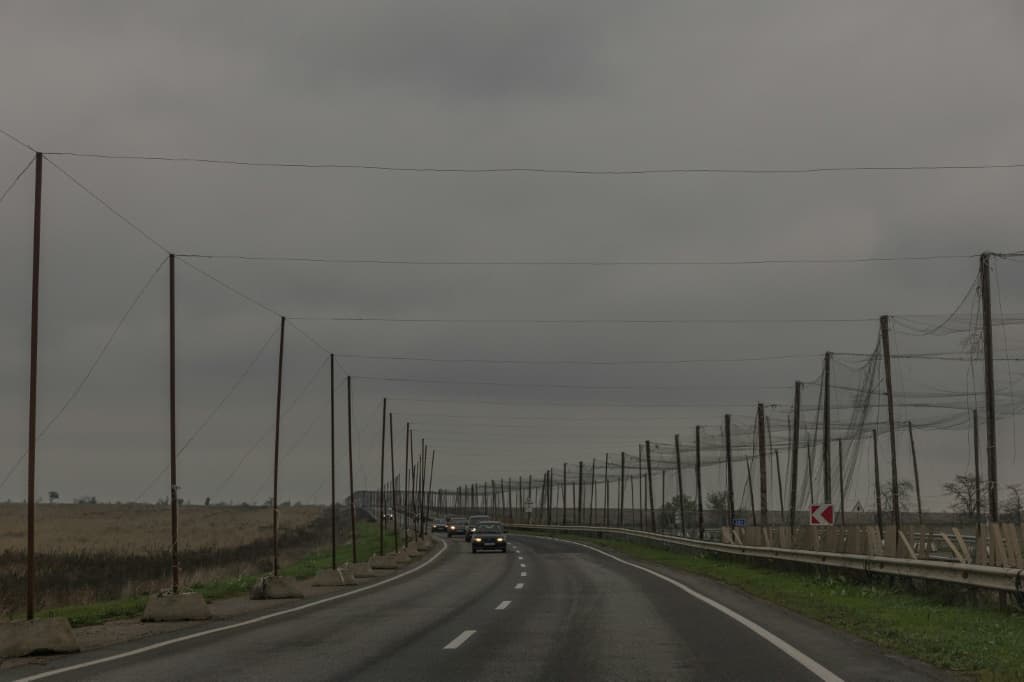
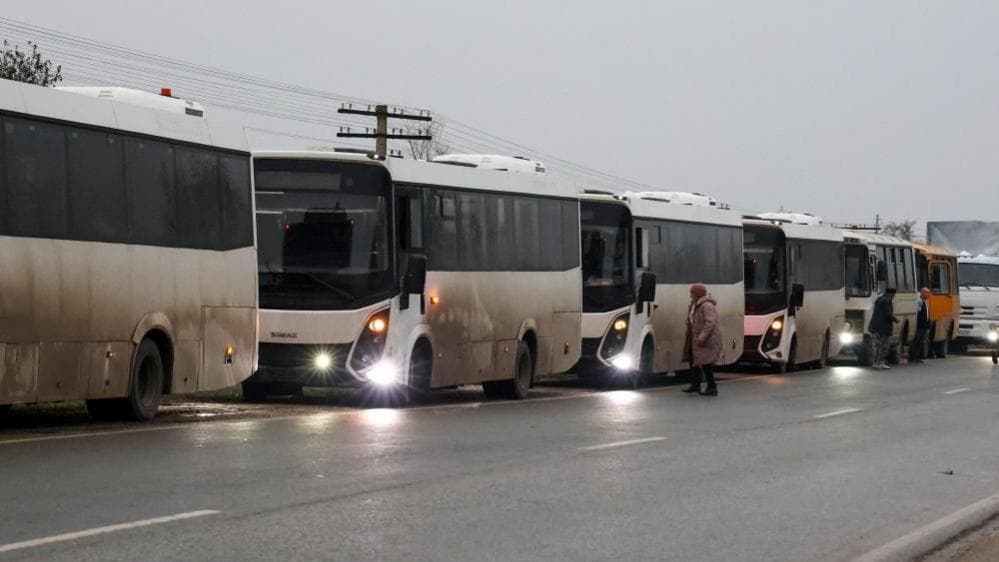
The multi-day ceasefire between Moscow and Kyiv in Oleshky, Kherson region, which is under Russian control, ended on Sunday evening: neither side reported any violations. This was reported by the Turkish news agency Anadolu. The ceasefire regime was announced by US First Lady Melania Trump to facilitate the delivery of humanitarian aid and the evacuation of civilians; it came into force on Tuesday and was extended beyond Oleshky to ensure safe passage for humanitarian convoys.
Assessments from the parties
Melania Trump said the ceasefire gave residents freedom of movement and access to food, clean water and medicine, as well as, in her words, 'a renewed sense of dignity without the constant threat of shelling.' 'May Oleshky become the starting point for a lasting peace,' she wrote on the X platform. The humanitarian mission in the city ended as early as Friday; Russian Human Rights Commissioner Yana Lantratova stressed that both sides had observed the localized ceasefire and proposed making humanitarian missions coordinated by the US First Lady a regular initiative — according to her, the operation in Oleshky and cooperation with her Ukrainian counterpart Dmytro Lubinets showed that such arrangements help civilians 'even in difficult conditions.'
What they say in Kyiv
On Saturday, Ukraine's Commissioner for Human Rights of the Verkhovna Rada, Dmytro Lubinets, called this regime 'the longest ceasefire observed by both sides since 2022.' Ukraine's Foreign Minister Andrii Sybiha separately stated that the mission in Oleshky could become a confidence-building measure and pave the way for further steps in the peace process, emphasizing that Kyiv 'acted in good faith and kept its word.' 'If hostilities can be stopped in one place, they can be stopped everywhere and forever. Ukraine is ready. We expect the same from Russia,' Anadolu quotes him as saying.
How this differs from previous attempts
The significance of the report is determined by Lubinets' own assessment: since 2022, according to him, the sides have never observed a ceasefire of such duration, which means Oleshky became the first case of a multi-day cessation of hostilities confirmed by both sides during the entire war. At the same time, this concerns a localized regime tied to a humanitarian operation, not a full cessation of hostilities. In practical terms, for residents this meant access to aid and the ability to move around while the ceasefire was in effect; what will follow the end of the mission — regular humanitarian corridors or an extension of the format to other territories — is only mentioned in the publications as proposals (from Lantratova) and expectations (from Sybiha), but not as adopted decisions.