The key facts
- The ceasefire in Oleshky to evacuate residents expired on November 1; Russia refused to extend it, according to Kun.uz
- The Ukrainian General Staff and Sky News claim Russia used the pause to regroup; the Kremlin makes similar accusations against Kyiv
- The US proposed to Moscow a scheme for selling gas to Europe as an incentive for an 'energy' truce; Europe rejects the idea
The ceasefire has expired, and Moscow refused to extend it
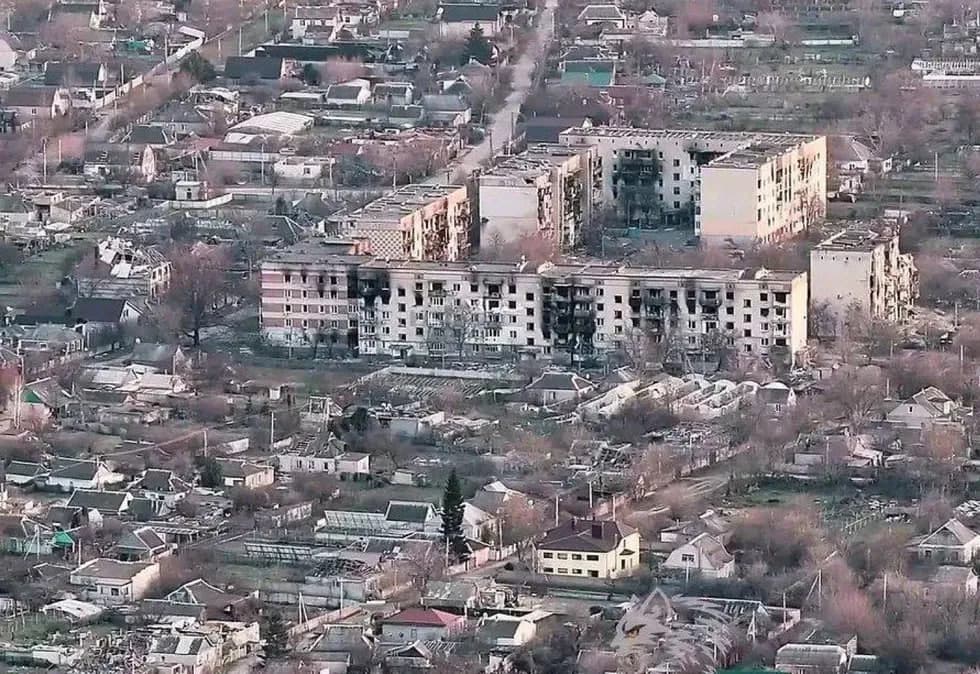
Russia has refused to extend the ceasefire regime in Oleshky, Kherson region, Kun.uz reports. The city has been under Russian occupation since the spring of 2022, and a humanitarian catastrophe has recently developed there. Russia and Ukraine agreed on a temporary truce to safely evacuate the city's residents, but the agreement expired on November 1. According to a Ukrainian official speaking to AFP, Ukraine's Foreign Ministry proposed extending the truce, 'but the Russians did not agree to this.'
Dispute over Melania Trump's role and the use of the pause
The evacuation from Oleshky was prepared by the intelligence services of Russia and Ukraine, but was presented as the result of mediation by Melania Trump. A Le Monde source in Ukraine notes that the US First Lady's role should be treated 'with caution,' since 'it is unclear what role Washington actually played.'
Mutual accusations
The General Staff of the Armed Forces of Ukraine claims that the Russian army used the humanitarian pause to 'put its positions in order.' Sky News journalist came to the same conclusion after examining footage obtained by Ukrainian drones: in his assessment, before the truce expired, Russian troops brought heavy equipment, weapons, ammunition and personnel into Oleshky and neighboring villages, and also went from house to house looking for places for new positions. The Kremlin, in turn, claims that Kyiv used the truce 'to concentrate forces.' 'This is a completely common practice in such situations,' said Dmitry Peskov, press secretary of the Russian president.
Parallel gas proposal and cyberattack on alert apps
In parallel, the US proposed to Moscow a scheme for selling Russian gas to Europe. American negotiators believe that such an incentive could push Vladimir Putin toward an 'energy' truce in Ukraine. The White House proposes directing gas sales revenues into an account in the jurisdiction of a third country so that the Kremlin cannot use the money to finance the war. However, Europe categorically rejects this idea.
Cyberattack on alert apps
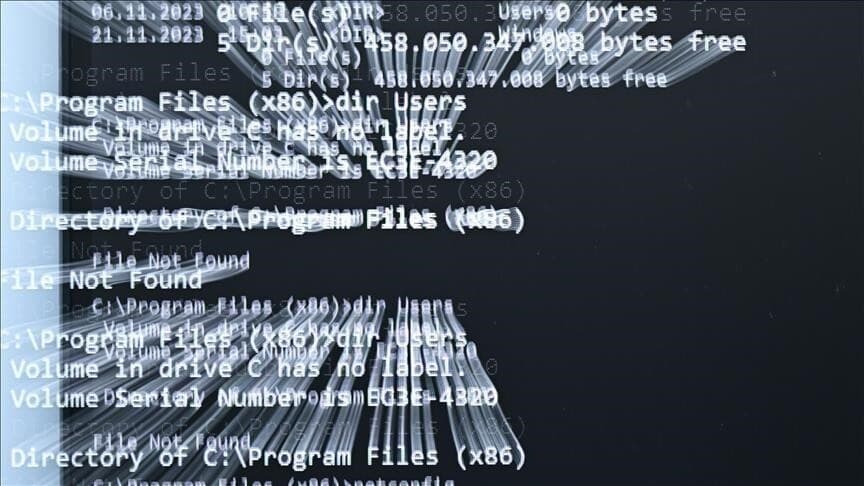
In addition, on the night of November 2, alert apps in both countries were hacked simultaneously: in Russia — the mobile app of the Federal Service for Surveillance in Healthcare (Roszdravnadzor), in Ukraine — 'Air Alert.' Russian users received a warning about 'nuclear strikes' 'on all regions of the country,' while Ukrainian users received a message in Russian: 'Hello! There will be a nuclear alert across all of Ukraine! Don't worry, the Oreshnik is flying!'