The key facts
- Candidates for the ECB top job are being accepted until 6 November; the Eurogroup will discuss them on 9 November
- A recommendation requires at least 16 votes out of 21 eurozone countries and 65% of the population
- The main contenders are Hernández de Cos (Spain) and Klaas Knot (Netherlands)
Formal start of the race for the ECB top job
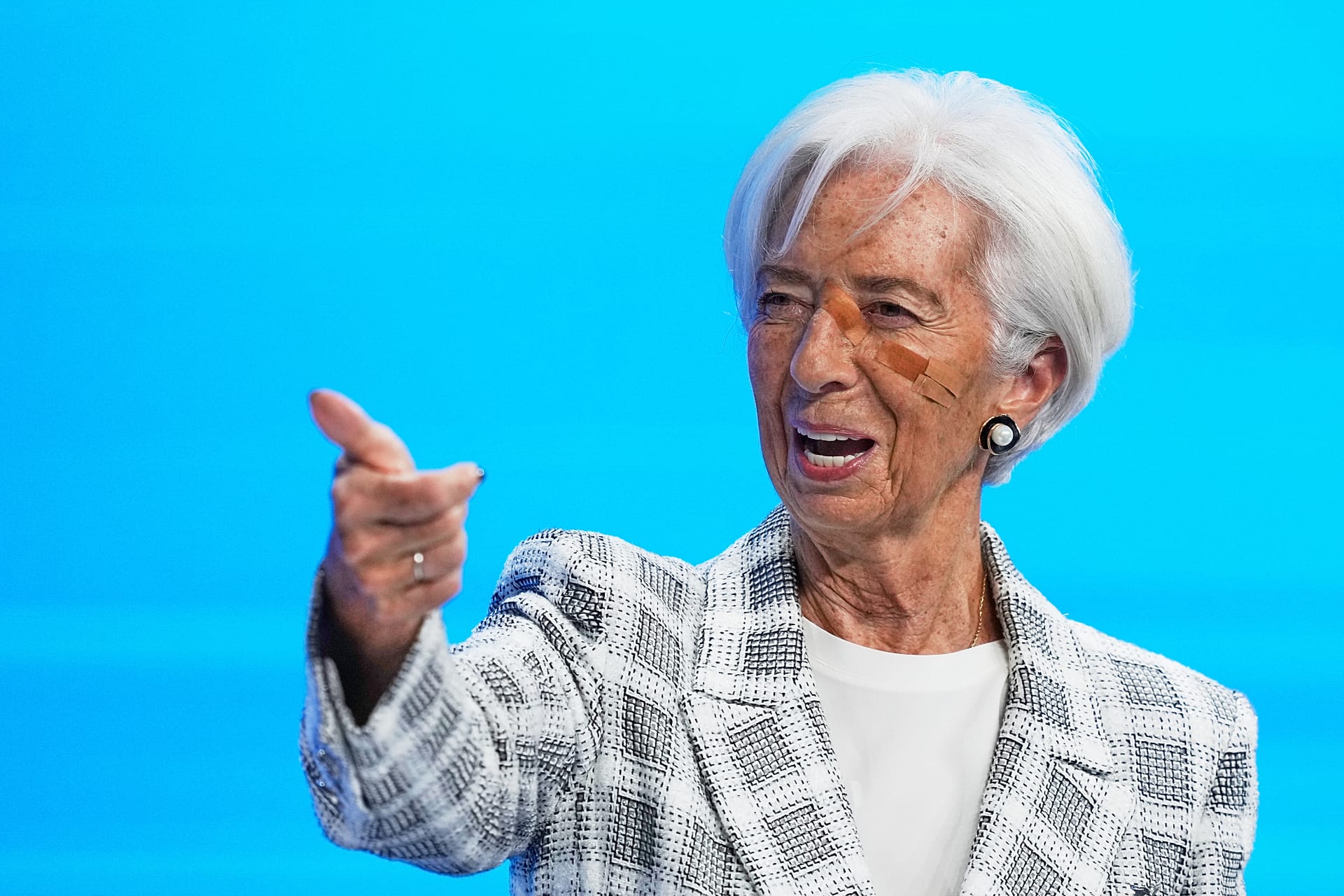
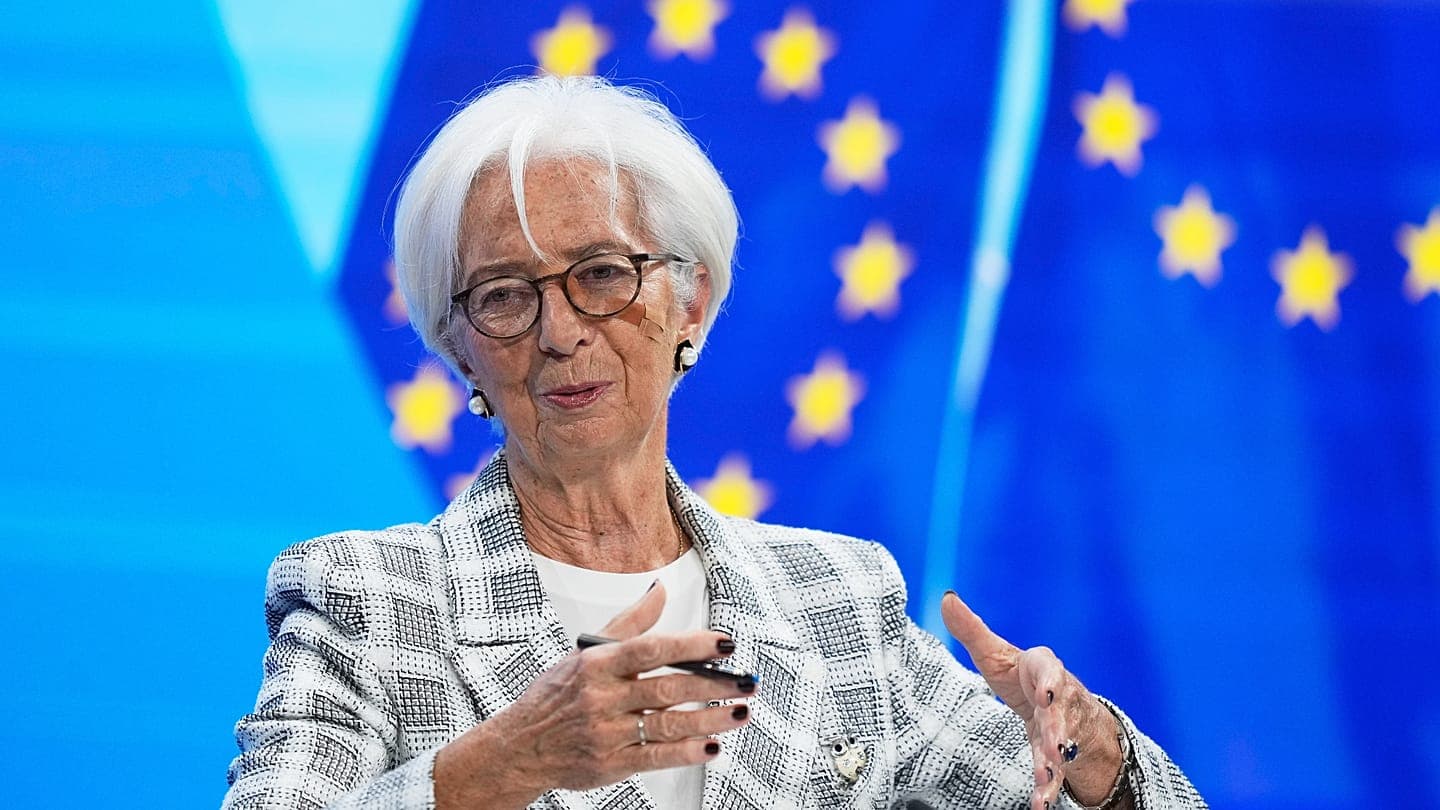
The procedure for appointing Christine Lagarde's successor as President of the European Central Bank has officially been launched. As a Eurogroup spokesperson told Euronews, a Eurogroup representative, after Lagarde's letter to European Council President António Costa, the Council of the EU initiated the procedure for appointing a successor. Eurogroup President, Greek Finance Minister Kyriakos Pierrakakis, called on member states to submit nominations by Friday, 6 November, and at the meeting on 9 November finance ministers will review the nominations received.
How the procedure works
Members of the ECB Executive Board are appointed by the European Council on the basis of a Council recommendation, but only euro-using countries may vote on it — which is why candidates are first discussed in the Eurogroup. A candidate will need the support of at least 16 of the 21 eurozone countries, representing at least 65% of the bloc's population. The final decision will be taken by EU leaders after opinions from the European Parliament and the ECB Governing Council.
Why Lagarde is leaving early
Lagarde announced that she will step down on 7 February 2027, cutting her eight-year term short by almost nine months. Speaking to journalists in Frankfurt, she explained her departure by her desire to gain the freedom to speak out beyond monetary policy: “I don't think I can remain neutral”, she said, adding that she is “interested in the truth”, which, in her words, often suffers from distortions. At the same time, Lagarde refused to say whether she would endorse anyone in the French presidential election in April 2027. Euronews, citing its own reporting since February, notes that her departure timeline has been linked over the past year to the French elections: an early resignation gives Emmanuel Macron and Friedrich Merz a chance to influence the choice of successor while far-right parties are polling strongly ahead of the April vote.
The frontrunners and package bargaining over three posts
Two candidates lead the race, both publicly backed by their governments as early as September. Spain is represented by Pablo Hernández de Cos, general manager of the Bank for International Settlements and former governor of the Bank of Spain (2018–2024): he was backed by Pedro Sánchez on 23 September, securing Spain's first-ever bid for the ECB presidency, and in October he was unexpectedly also endorsed by opposition leader Alberto Núñez Feijóo ahead of the snap election. The second frontrunner is Klaas Knot, who headed the Dutch central bank for 14 years until 2025; Prime Minister Rob Jetten called him “a perfect fit” for many countries. Prediction markets also see a two-horse race: on Tuesday morning Kalshi gave Hernández de Cos 34% and Knot 31%, Polymarket 41% and 30% (only a few thousand dollars are wagered on these markets). Third in the odds is former Bank of France governor François Villeroy de Galhau (5% and 13%); Bundesbank President Joachim Nagel has also been mentioned, although a German has never led the ECB. The presidency is only part of the negotiations: Isabel Schnabel leaves for the IMF on 3 January, chief economist Philip Lane's term expires at the end of May, and capitals are expected to bargain over the three positions as a package. According to Euronews, Paris will likely target the chief economist post, while Madrid wants to regain a seat on the board after losing the vice-presidency this year.