The key facts
- On November 3, the European Commission urged not attributing the cyberattack on supermarket refrigerators to any country until the investigation is completed
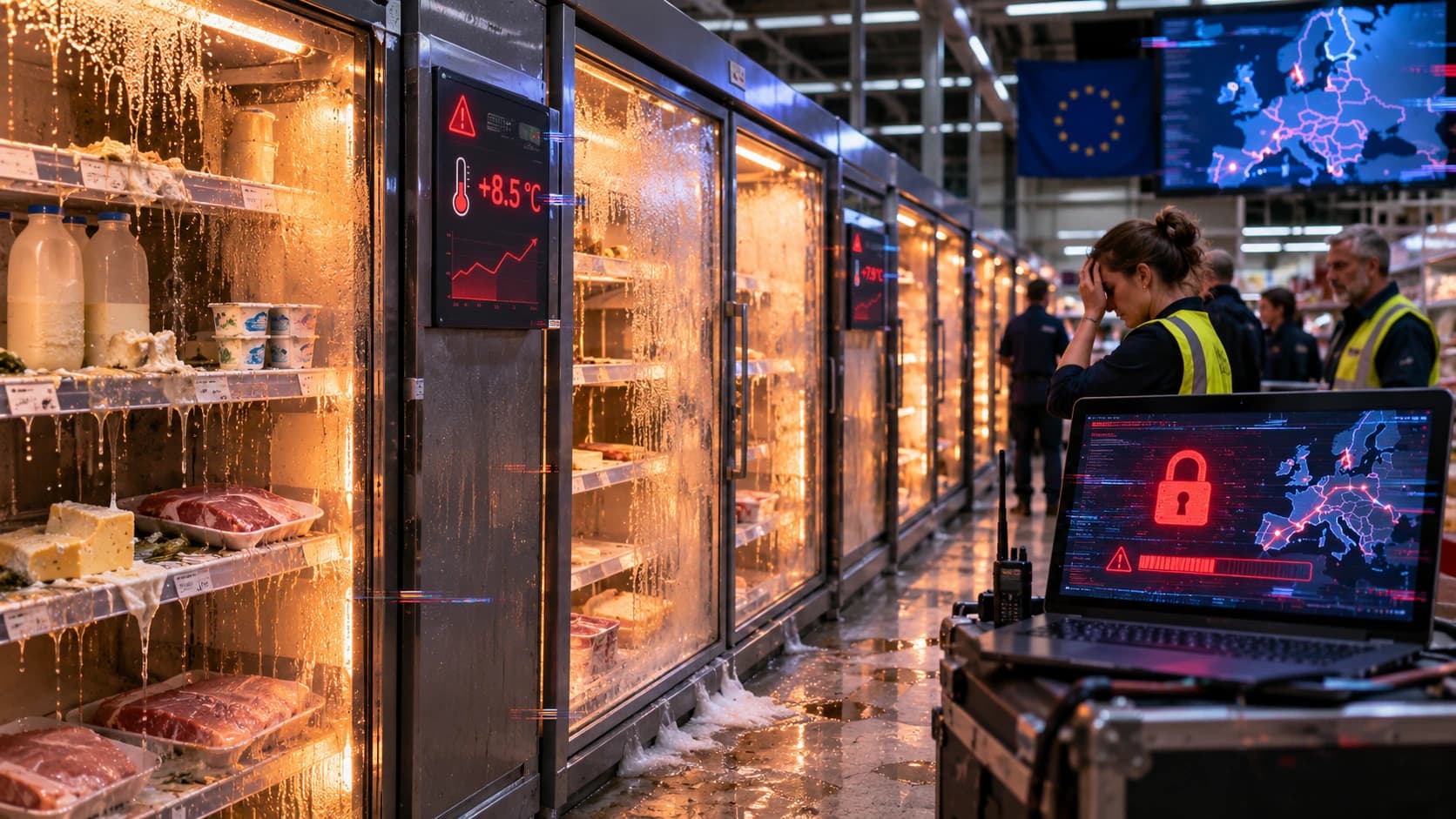
- The attack affected retail chains in Belgium, Luxembourg, Sweden, Ireland and other countries, including Carrefour, Delhaize, ICA, Coop and SuperValu
- In some stores, the temperature in freezer compartments rose to +50 degrees
Brussels urged waiting for the results of the investigation
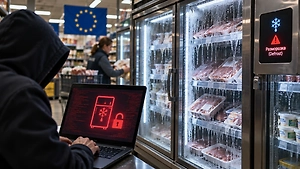
The European Commission advised journalists not to rush into blaming Russia after large-scale cyberattacks on refrigeration equipment in European supermarkets. This was stated at a briefing on November 3 by European Commission spokesperson Thomas Regnier, answering a question about the possible involvement of Russian hackers. 'I would be extremely cautious when speaking about responsibility for this incident,' he said, emphasizing that those responsible should be identified by the competent authorities conducting the investigation (as reported by Life.ru).
What is known about the attack
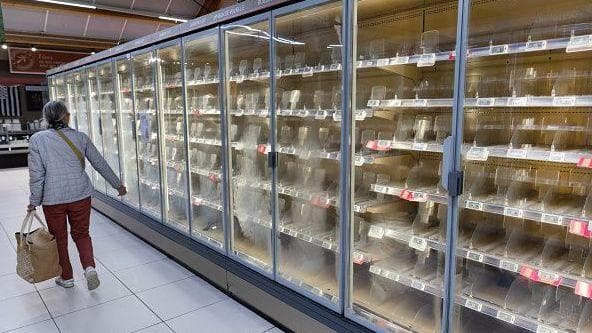
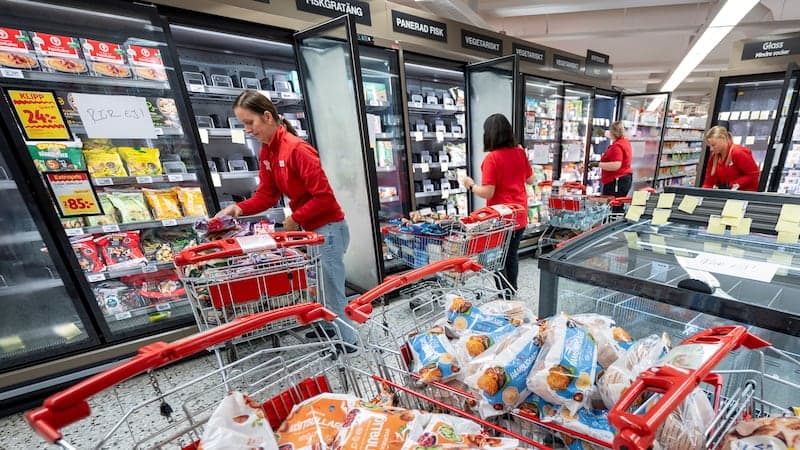
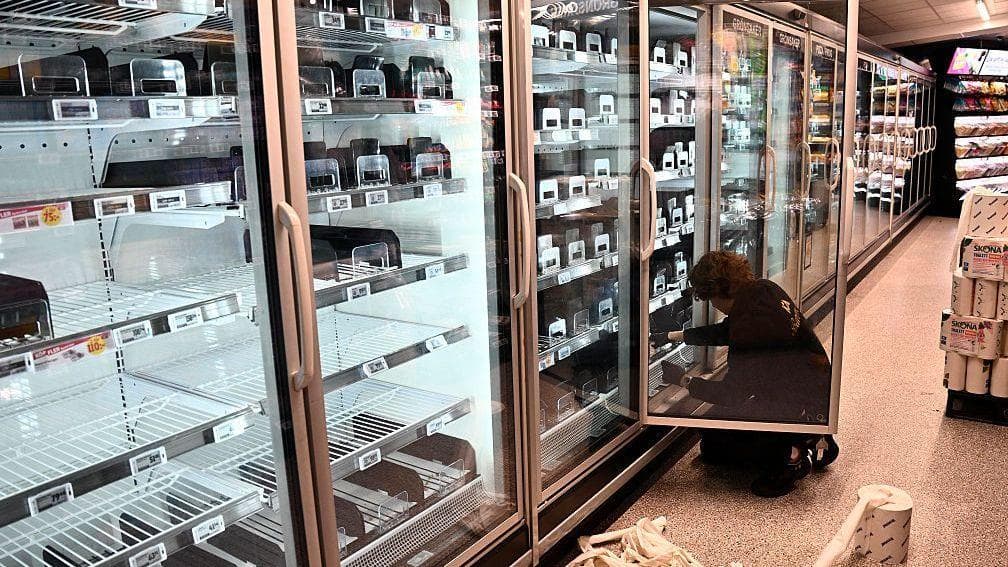
Problems were reported by retail chains in Belgium, Luxembourg, Sweden, Ireland and other European countries — in total, according to an earlier Life.ru publication, more than ten countries. In some stores, the temperature in freezer compartments rose to +50 degrees Celsius, threatening food spoilage. Among those affected were the chains Carrefour, Delhaize, ICA, Coop and SuperValu.
The European Commission's response
Regnier stressed that Brussels does not view what is happening as a series of separate incidents: in his words, European countries need to jointly improve the resilience of their infrastructure to such threats. The European Commission maintains direct contact with national authorities and specialized agencies; on the morning of November 3, two cybersecurity meetings were held in Brussels. The EU also relies on existing mechanisms for protecting digital infrastructure. Who is behind the attack was not reported at the time of publication.