The key facts
- On the night from Sunday to Monday, refrigeration systems at supermarkets in several European countries began to heat up, and products had to be written off
- Affected chains include Delhaize, Carrefour, Spar, SuperValu, ICA, Coop and K-food; at a Swedish store, freezer temperatures rose to 50 °C
- Earlier, Claroty warned about vulnerabilities in Danfoss controllers that no longer receive security updates
What happened
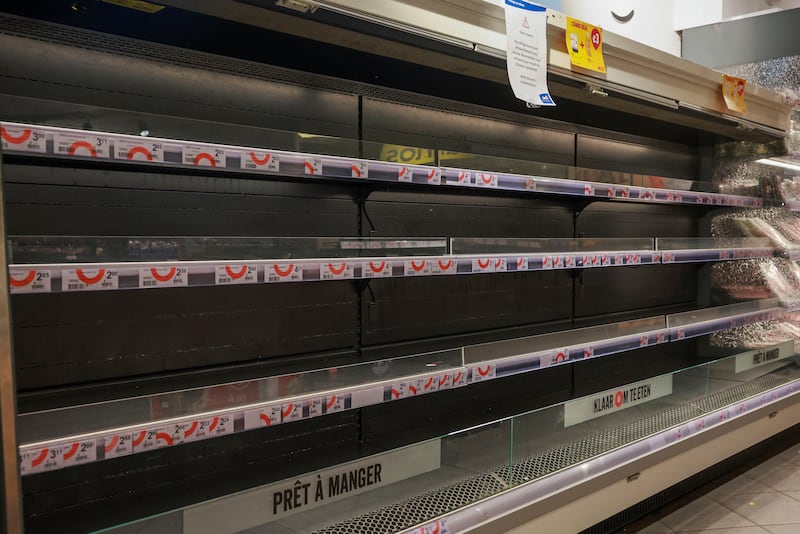
On the night from Sunday to Monday, November 2, 2026, supermarkets in several European countries at once reported malfunctions of refrigeration equipment: the units began to heat up, and stores were forced to write off thawed and spoiled products. TechCrunch writes about a second wave of attacks, which affected dozens of stores in Belgium, Ireland, Luxembourg and Sweden, citing confirmations from the Ahold Delhaize and Colruyt chains; according to the outlet, one Belgian company servicing Delhaize systems said hackers had changed the settings to defrost mode.
Scale by country and chain
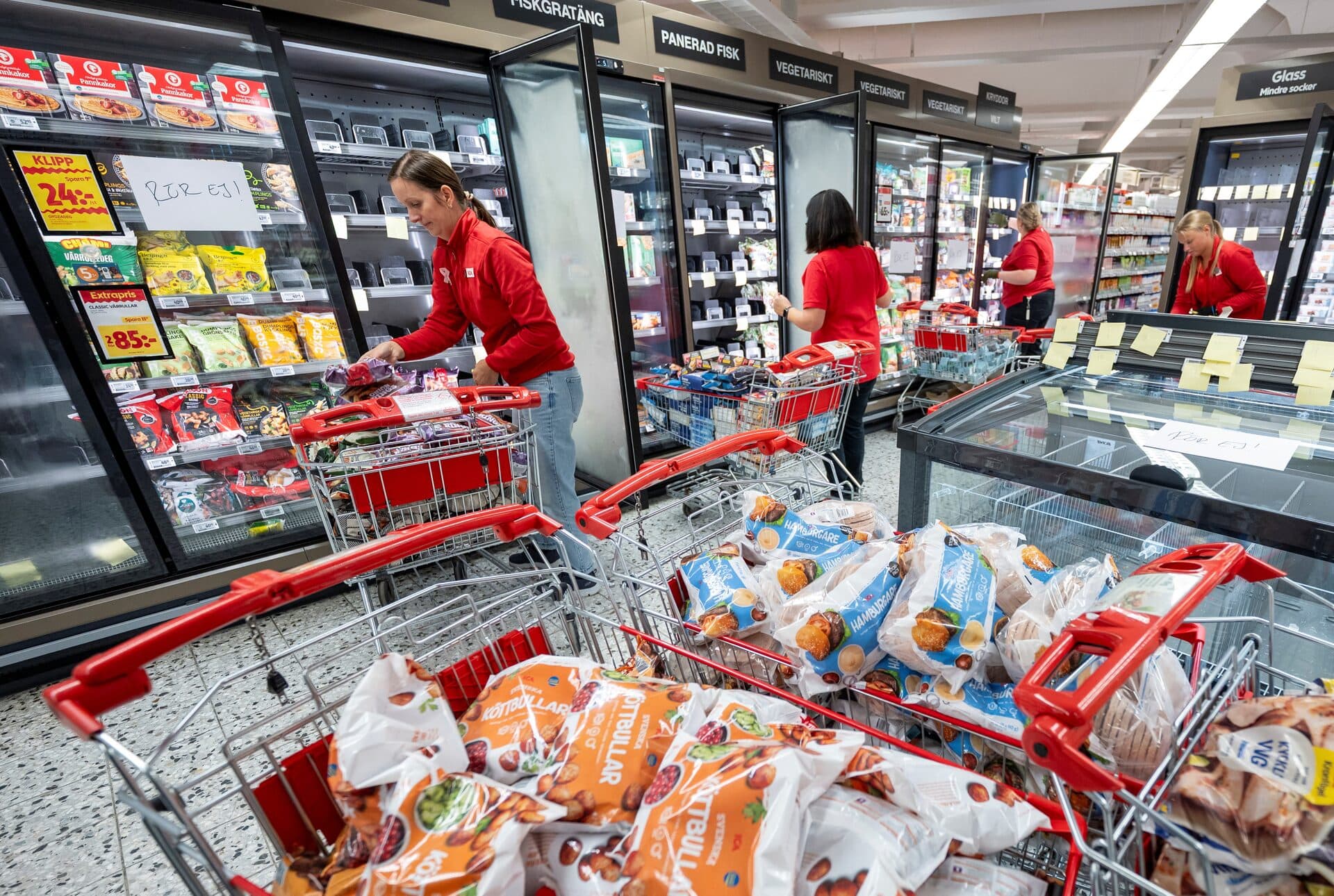
The National gives a broader list of countries: in addition to Belgium, Sweden and Ireland, incidents were reported in Finland and Estonia. In Belgium, refrigerator problems were confirmed by Ahold Delhaize (an 'IT incident' at a number of Delhaize stores on Sunday evening), Carrefour Belgium — according to a spokesperson, 15 of 700 locations were affected — and Spar, where refrigeration equipment at about five stores was hit. In Ireland, Musgrave Group saw the outage affect 13 SuperValu stores; chilled and frozen goods were withdrawn from sale as a precaution. In Sweden, freezer temperatures rose at a number of ICA and Coop stores: at ICA Kvantum in Shövbo it reached 50 °C, which the store reported on Facebook, suggesting a hack; ICA Sverige confirmed the incident at 'a limited number of stores' but did not confirm a cyberattack, while Coop confirmed the hacking of seven stores. In Finland, temperature anomalies were recorded at several small K-food stores, said Kesko's head of corporate security Petri Kyökkö, adding that an IT incident cannot be ruled out, but the phenomenon is not widespread and affected stores outside the company's centralized protection. euronews also mentions the Netherlands and Luxembourg, estimating the potentially affected food at hundreds of thousands of euros, and reports of an affected IKEA store near Mons; the Belgian Cybersecurity Centre confirmed it was aware of the incident but did not disclose details. The lists of countries differ across publications, and the exact scale has not yet been established.
Link to September attacks in France and the Danfoss vulnerability
The incident repeats an attack a month earlier in France, where, according to The National, cooling systems were shut down at 700 stores of the Intermarché, Coopérative U and Carrefour chains, and stores had to throw away spoiled products; no one publicly claimed responsibility for that attack. According to TechCrunch, researchers linked the hacks to internet-connected refrigeration units made by the Danish company Danfoss, which no longer receive security updates — the company Claroty had warned about vulnerabilities in these controllers back in August. This explains why the attack is recurring across different countries and chains: the vulnerability is systemic and affects equipment from a single manufacturer, not a single chain. Earlier, in October, it was reported that the Pentagon was investigating freezer failures at several US military facilities, and officials suspect hackers linked to Iran; the publications contain no confirmation of a connection between these episodes and the European attacks.
Context: cyberattacks and food supply chains
The episode shows how cyberattacks on 'unusual' infrastructure — household refrigeration equipment — produce physical consequences for food supply. TechCrunch recalls a similar case in 2025: an attack on the American distributor UNFI led to food shortages and empty shelves in stores across the US. Who is behind the November attack on European supermarkets and exactly how it was carried out, the sources do not report at this time.