The key facts
- Darryl Baker from north London saved 'hundreds of pounds' in six months by dressing her children in clothing found near a supermarket, including Ralph Lauren, Nike and The North Face items
- Jeff Ferrell, 72, from Fort Worth estimates the value of his finds at 'tens of thousands of dollars a year'
- Dumpster diving is banned in a number of US cities; in the UK its legality depends on the circumstances
Clothes, shampoo and canned goods from bins
Darryl Baker, a 39-year-old mother of two from north London, noticed piles of clothing dumped next to recycling bins outside a supermarket. With the staff's permission, she collected 'entire new wardrobes' for her children and, over six months, says she saved 'hundreds of pounds'. Among her finds were items from Ralph Lauren, Nike and The North Face, children's scooters and an Ikea frame; she recently sold a men's Barbour jacket for £30. This is reported by BBC News.
Different motives, different strategies
Those who practise 'dumpster diving' cite a desire to save money, support for charity and outrage at the volume of usable items being thrown away. Jeff Ferrell, 72, from Fort Worth, an emeritus professor of sociology at Texas Christian University and author of books on the subject, has been digging through rubbish for more than 50 years and does it daily by bicycle. He collects metal to sell to a scrap dealer — about $150 every two weeks — while his wife sells valuable finds on eBay; overall he estimates his finds at 'tens of thousands of dollars a year'. London stylist Millie Diamond upcycles found fabrics and clothes into new items, having valued one found dress at £600. And Charlotte Bayford, 44, from Essex, adapts to the schedule of University of Essex students: in summer, when they go home and throw things away, she restocks her supplies — 'I haven't bought shampoo in eight years' — and, she says, sealed canned goods are perfectly safe to eat.
What the law says
The legal status of the activity is ambiguous. According to Ferrell, many US cities, including New York, Cleveland and Wichita, have banned it: discarded items are considered the property of the city or a private waste-hauling company, and divers risk being accused of trespassing. In Fort Worth, where he lives, you may only take what is on public land. In the UK, as Sunjay Versani of Duncan Lewis Solicitors explains, it all depends on the circumstances: 'In many cases involving genuinely discarded goods, prosecution is unlikely', but there is no general rule that 'discarded means free to take', and the safest course is to ask permission from the owner or business.
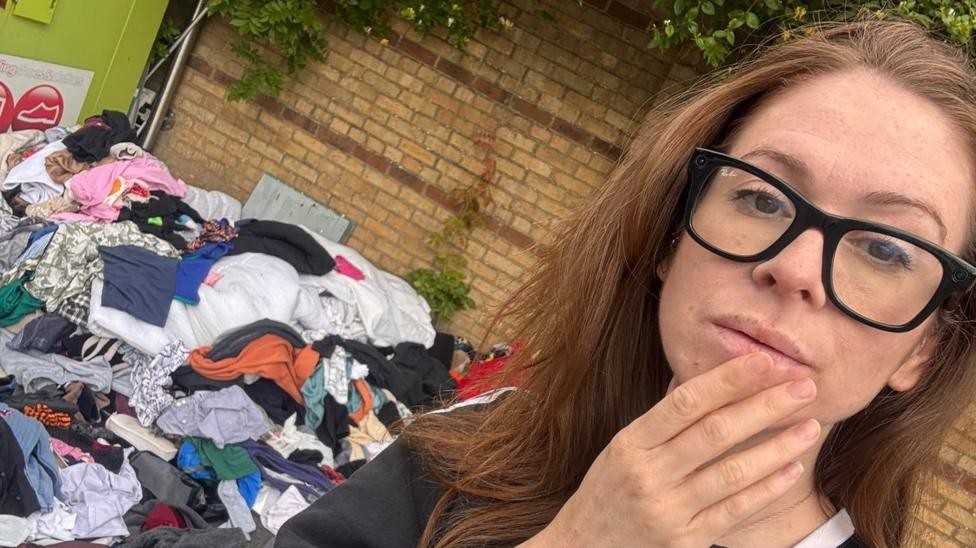 Image source, Darryl Baker
Darryl Baker takes the clothes for herself and her children, and to sell
 Image source, Phil Harvey
Jeff Ferrell sells some of what he finds, and gives away other items
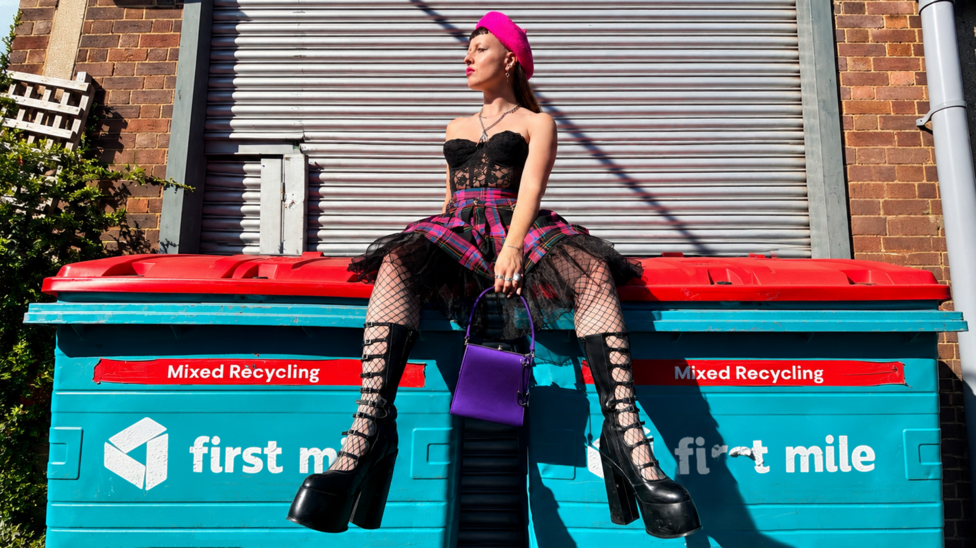 Image source, Millie Diamond
Millie Diamond turns dumped textiles and clothes into new outfits
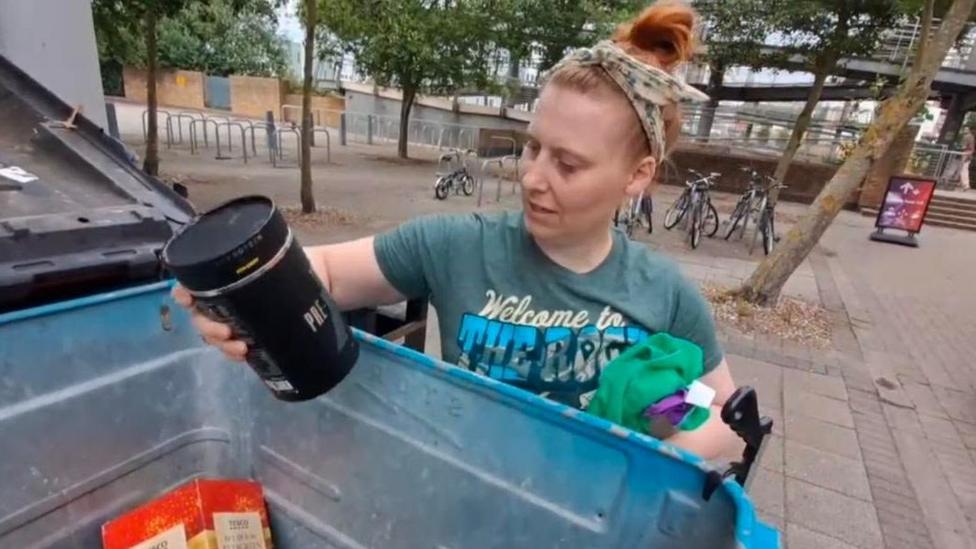 Image source, Charlotte Bayford
Charlotte Bayford gives some of her finds to charity