The key facts
- 3,594 flight restrictions at Russian airports from January to October; in October — 545 compared with 60 in October last year
- In October, more than 51,900 flights were delayed and more than 7,000 cancelled at 118 airports
- After the restrictions on October 23 and 29–30, Aeroflot put thousands of passengers up in hotels and issued tens of thousands of meal vouchers
Drone attacks on Russia led to an almost ninefold increase in aviation restrictions
Ongoing Ukrainian drone attacks on Russia are driving up the number of delayed and cancelled flights due to airport restrictions, hitting the country's civil aviation. According to Doletit, a service that tracks statistics from Russia's Federal Air Transport Agency, 3,594 flight restrictions were imposed at Russian airports between January and October, Anadolu reports.
The scale of disruptions and their consequences for passengers
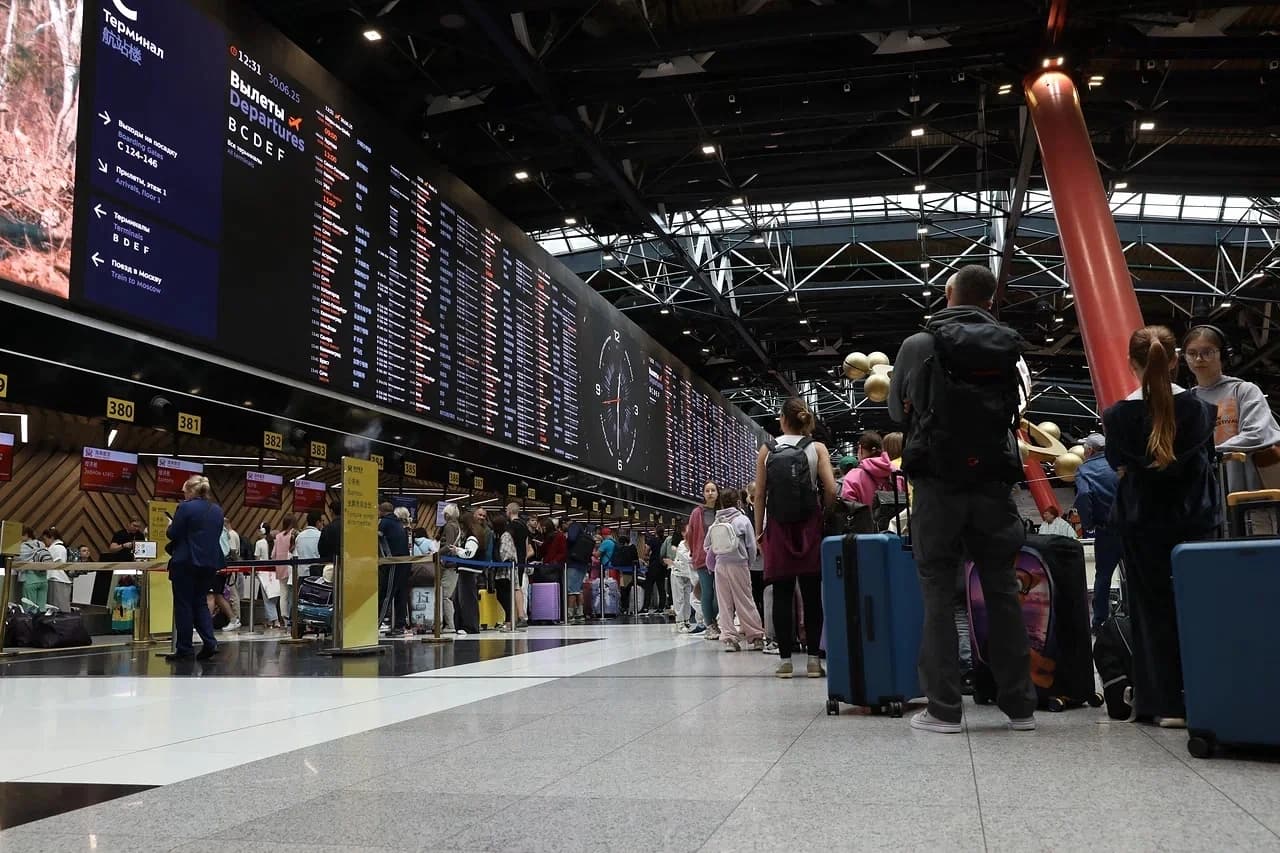
The security measures affected both facilities near the Ukrainian border and Moscow's major international hubs — Sheremetyevo, Vnukovo, Domodedovo and Zhukovsky. The agency frequently suspended aircraft arrivals and departures at night: about half of recent restrictions fell within the window from 11:00 p.m. to 6:00 a.m. Moscow time. In October alone, 545 individual restrictions were imposed — an almost ninefold increase compared with 60 restrictions in the same month a year earlier.
Delays, cancellations and airline costs
The restrictions also created logistical problems: according to the Ministry of Transport, between January and August the number of flights delayed by more than two hours rose by 20.3%. In October, more than 51,900 flights were delayed by at least 15 minutes, and more than 7,000 were cancelled at 118 airports across the country. Airlines regularly diverted aircraft to alternate airfields, increasing unplanned costs for passenger accommodation and ground transport. For example, the flagship carrier Aeroflot, after the restrictions at Sheremetyevo on October 23, put up more than 2,600 passengers in hotels and issued 11,000 meal vouchers, and after the restrictions on October 29 and 30 — another 1,600 passengers, 20,000 vouchers and transportation of more than 1,300 people to their destinations. Restoring the schedule after sudden closures further complicated compliance with crew working-time and rest requirements.
Context: sanctions pressure on the industry
The situation for Russian carriers was already complicated before the current disruptions: since the beginning of 2022, the US and the EU have closed their airspace to Russian aircraft, and Western sanctions ban the sale of aircraft, spare parts and maintenance services to Russia, further hampering the airlines' operations.