The key facts
- US Ambassador John Breslow announced the modernization of the Paphos air base, more frequent port calls by US warships, and an expansion of joint exercises
- US Ambassador John Breslow announced the modernization of the air base in Paphos, more frequent visits by American warships, and an expansion of joint exercises
- DW notes that the statement about 'defending Cyprus' is not a formal security guarantee
- The United States has fully lifted the 1987 arms embargo; the suspension has been extended until September 30, 2027
- The US has fully suspended the 1987 arms embargo; the suspension has been extended until September 30, 2027
Statements by the new US ambassador
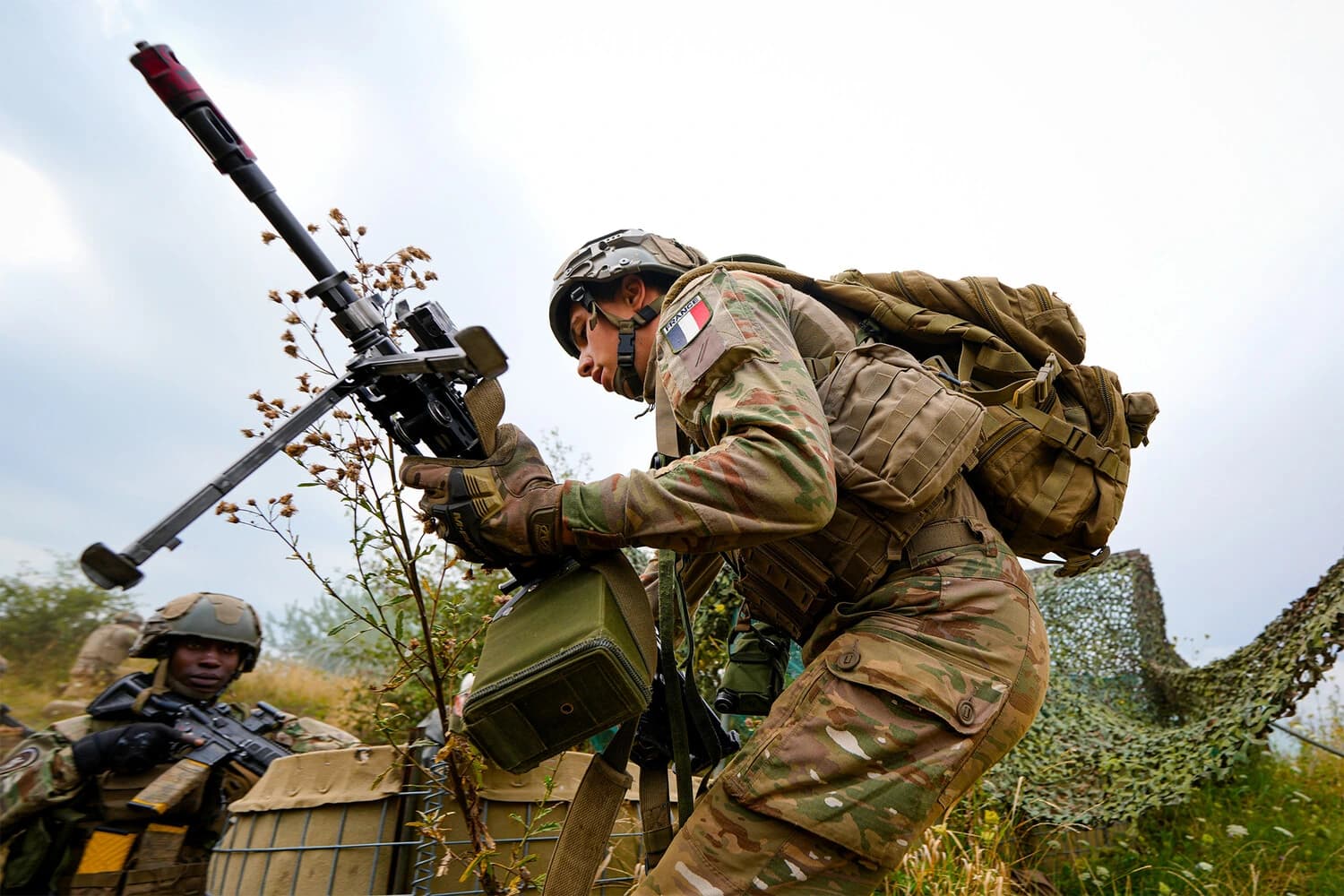
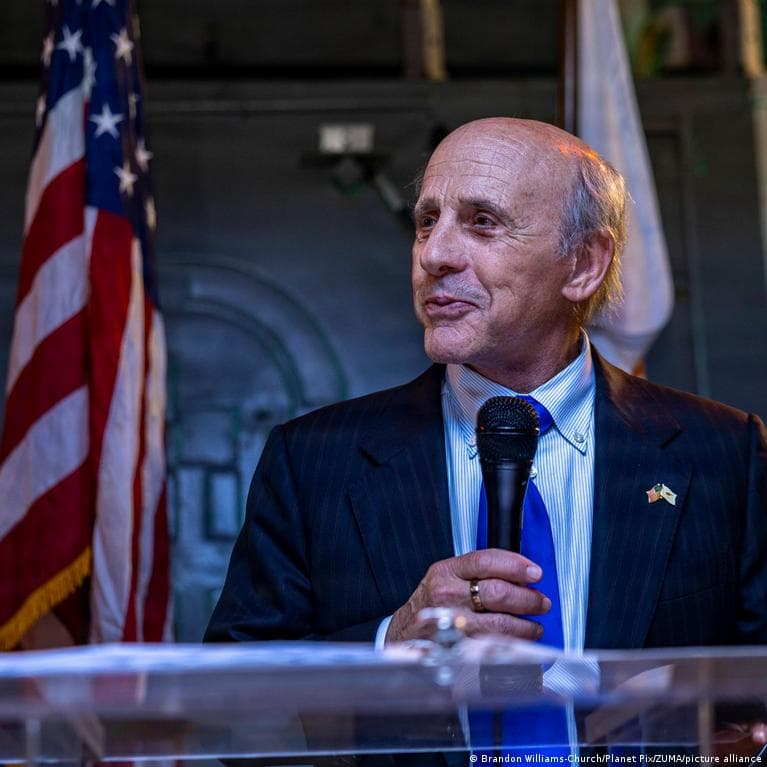
In an interview with the Cypriot news agency CNA on October 4, the new US Ambassador to Cyprus, John Breslow, outlined plans to modernize the Andreas Papandreou air base in Paphos so that it could accommodate large American military transport aircraft. He also announced more frequent port calls by US Navy warships at Cypriot ports and an expansion of joint military activities. According to Deutsche Welle, his statement that 'the United States will defend Cyprus in the future' carried particular political weight — although the outlet emphasizes that this is not a formal security guarantee, but a reflection of growing cooperation.
Why the shift looks unexpected
For a country that maintained close ties with Moscow for decades, viewed American policy with distrust, and is not a NATO member, the expansion of the US military presence marks a notable geopolitical turn. After gaining independence from the United Kingdom in 1960, the Republic of Cyprus, under its first president Archbishop Makarios III, became one of the founding members of the Non-Aligned Movement in 1961 and balanced between East and West, maintaining ties with both the USSR and the West. Relations with the United States remained overshadowed by the Turkish invasion of 1974, to which Washington did not respond firmly, preferring its alliance with Ankara: in August 1974, during a demonstration outside the embassy in Nicosia, US Ambassador Roger Davies was shot dead. In 1987, the United States imposed an arms embargo on the Republic of Cyprus, which contributed to the National Guard's dependence on Soviet and Russian weaponry.
Close ties with Moscow and the turning point of 2022
Even after joining the European Union in 2004, Cyprus maintained close political, economic, and military ties with Moscow. This directly affected the response to the annexation of Crimea in 2014: Nicosia expressed serious reservations about tightening EU sanctions, and then-Foreign Minister Ioannis Kasoulidis warned that the measures could have devastating consequences for the economy. In February 2015, President Nicos Anastasiades signed a series of agreements with Vladimir Putin, including a memorandum on naval cooperation that facilitated port calls by Russian warships at Cypriot ports, and Moscow agreed to more favorable terms for repaying the €2.5 billion loan from 2011. In October 2021, the current president, then Foreign Minister Nikos Christodoulides, signed a framework program of strategic cooperation for 2022–2024 with Sergei Lavrov in Moscow. Deutsche Welle calls Russia's full-scale invasion of Ukraine in February 2022 the turning point: Konstantinos Adamides, an associate professor at the University of Nicosia, told the outlet that Cyprus 'for the first time openly and unambiguously chose the side of the West, despite the economic and political costs of the break with Moscow,' supporting EU sanctions despite the strong ties of the Cypriot economy with Russia in services, investment, and tourism.
What has already been done and what remains uncertain
The rapprochement with the United States gained an institutional foundation even before the war: in 2018 a bilateral declaration of intent in the security sphere was signed, and in April 2022 the US-funded CYCLOPS training center opened in Larnaca, focusing on port security, counter-terrorism and the prevention of the trafficking of dangerous materials. In September 2022, Washington fully suspended the 1987 embargo, allowing the export of lethal weaponry with the necessary approvals; the suspension is not permanent and is renewed periodically — it is currently in effect until September 30, 2027. In January 2025, then-President Joe Biden allowed Cyprus to participate in American defense procurement programs, including Foreign Military Sales and Excess Defense Articles. Cyprus is also seeking to gradually phase out its Russian T-80 tanks and Tor-M1 and Buk air defense systems — a process accelerated by sanctions that have made access to spare parts and ammunition difficult. On the question of NATO membership, Christodoulides said earlier this year that Cyprus would apply 'tomorrow, if it were possible,' but accession is impossible because 'the political conditions are not there, given Turkey's well-known position.' The discussion was fueled by the emergency landing of an Iranian drone at the British base of Akrotiri in March. A key uncertainty noted in the publication: the ambassador's promise of 'protection' has no legal form, and the suspension of the embargo requires periodic renewal.