The key facts
- Brazil presented a voluntary roadmap for transitioning away from fossil fuels in three phases from 2028 to 2033 on November 3, 2026.
- The final text of COP30 in Belém did not mention fossil fuels due to strong opposition from Saudi Arabia and Russia.
- Brazil emphasizes that this initiative is a call to action, not a document intended for negotiations at COP31.
Voluntary plan instead of negotiations
Brazil, which hosted last year's UN Climate Conference COP30 in the Brazilian city of Belém, published a roadmap for countries to transition away from fossil fuels on Tuesday, November 3, 2026, calling this task 'necessary, urgent, and yet achievable.' The document was released one week before the start of COP31, which will open on Monday in the Turkish resort city of Antalya, reports AFP.
Context of Belém and content of the document
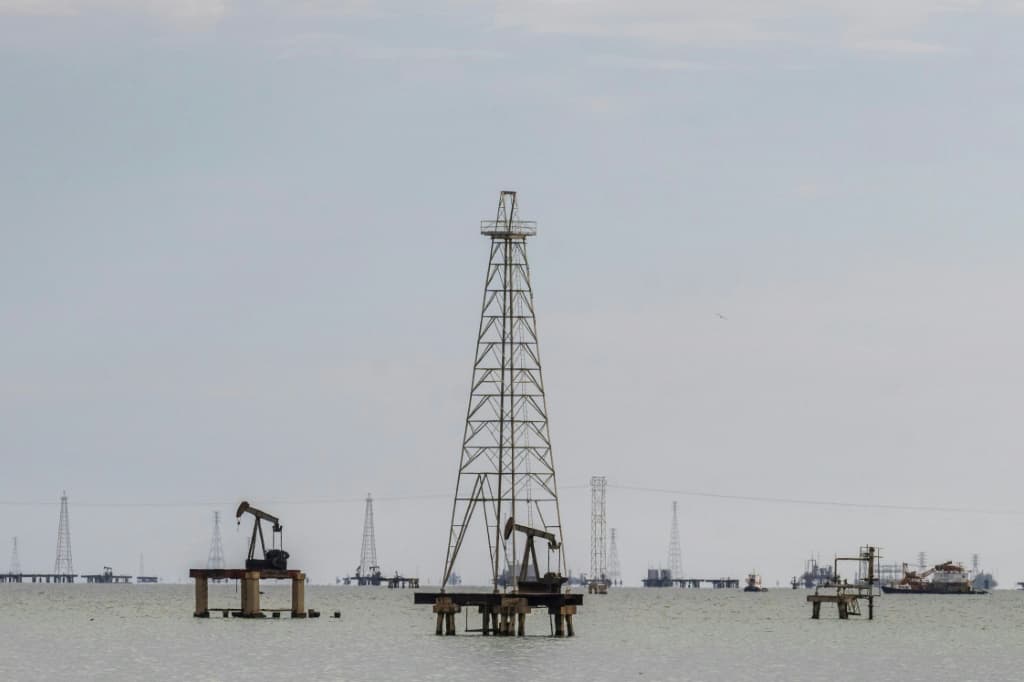
The final agreement of COP30 in Belém in 2025 did not include a direct mention of fossil fuels due to strong opposition from major oil producers such as Saudi Arabia and Russia. As an alternative, Brazilian organizers then proposed launching a voluntary roadmap to phase out oil, gas, and coal. The text now published states that the transition away from fossil fuels is 'urgent, inevitable, and yet achievable,' but simultaneously acknowledges that 'there is no single solution for this complex task' and proposes that countries tailor measures to their own conditions. The roadmap envisions a 'collective agenda' in three phases from 2028 to 2033, during which countries must develop plans and transform their energy systems. In parallel, Brazil has released a roadmap to halt deforestation by 2030.
What has been agreed and what is missing
The document recalls that nearly 200 states at COP28 in Dubai in 2023 adopted a text calling for a 'transition away from fossil fuels in energy systems.' According to the COP30 presidency, current policies and announced plans 'still do not deliver the energy outcomes agreed upon in Dubai.' Ana Toni, the chief executive of COP30, urged planning to begin 'as soon as possible,' since 'the transition is inevitable.' She stated that this will benefit the country, society, and the economy.
Prospects for COP31
AFP notes that a new agreement on fossil fuels at the two-week COP31 is unlikely; instead, the presiding Turkey and Australia, leading the negotiations, are promoting a voluntary program to accelerate 'electrification' to reduce greenhouse gas emissions. Toni said the roadmap will be discussed in Antalya on November 10, but Brazilian officials emphasized that the initiative is a call to action, not a document for negotiations. 'We are not proposing negotiations,' said COP30 president André Corrêa do Lago, adding that 'agreements already exist. What matters is implementing them.' Climate activists welcomed the initiative: 350.org analyst Fanny Petitbon called for COP31 to become the moment when governments 'take this work forward' with clear commitments, timelines, and resources for a 'just and orderly phase-out of coal, oil, and gas.'