The key facts
- Asian markets fall amid a tech stock sell-off driven by concerns over the profitability of AI companies
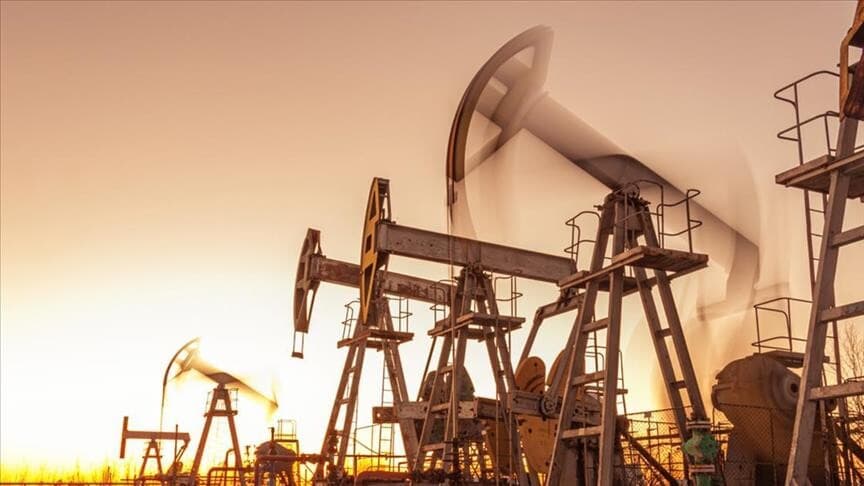
- Oil plunged more than 7% on Monday but recovered part of its losses on Tuesday after reports of a US strike on the island of Qeshm
- US–Iran talks: both sides express optimism, but analysts note that the parties' positions have not changed
Tech stock sell-off continues
Asian stock markets were mostly lower on Tuesday after another sell-off in tech stocks on Wall Street, driven by concerns over artificial intelligence, AFP reported. Investors are worried about the enormous sums being poured into the AI industry: reports from Amazon, Alphabet, Meta and Microsoft show that the companies will continue to direct hundreds of billions of dollars into data centers and chips, even as investors lose patience waiting for returns. On Monday, Apple reported sales and profits above forecasts but warned of a decline in gross margin in October–December. Earlier, AI company Anthropic announced quarterly revenue growth of more than 1,100% and nearly $900 billion in spending commitments ahead of its Wall Street listing this month. Pressure on stocks is being amplified by rising borrowing costs, which are raising concerns over companies' large debts.
Oil crash failed to support markets
Monday's drop in oil of more than 7%, which would normally have supported stocks, did not help the markets. 'The oil crash should have been rocket fuel for a wobbly growth trade,' noted Stephen Innes of SPI Asset Management: cheap energy reduces inflationary pressure, yet the Nasdaq still fell back to Friday's lows, which, in his words, points to deeper causes of the sell-off. In Asia on Tuesday, the markets of Seoul, Taipei, Shanghai, Singapore and other centers were falling; Tokyo was closed for a holiday. According to a later AFP update, SK hynix and Samsung lost about 5% and 4.2% respectively, while Korea's Kospi closed down 3.6%. In Europe, London, Frankfurt and Paris opened lower.
Oil recovers on reports of strike on Qeshm
In the afternoon, oil rebounded more than 1% after the Wall Street Journal reported that the US military had struck the Iranian island of Qeshm at the mouth of the Strait of Hormuz, where Iranian state media reported five consecutive explosions. According to the WSJ, the strikes were not publicly announced so as not to create the impression that Washington intends to resume large-scale military action. By the close of Asian trading, WTI stood at $97.97 (+1.6%) and Brent at $106.54 (+1.7%), whereas in AFP's first morning edition prices were still falling. This shows how quickly the geopolitical agenda changed the trading picture within a single day.
US–Iran talks: optimism amid unchanged positions
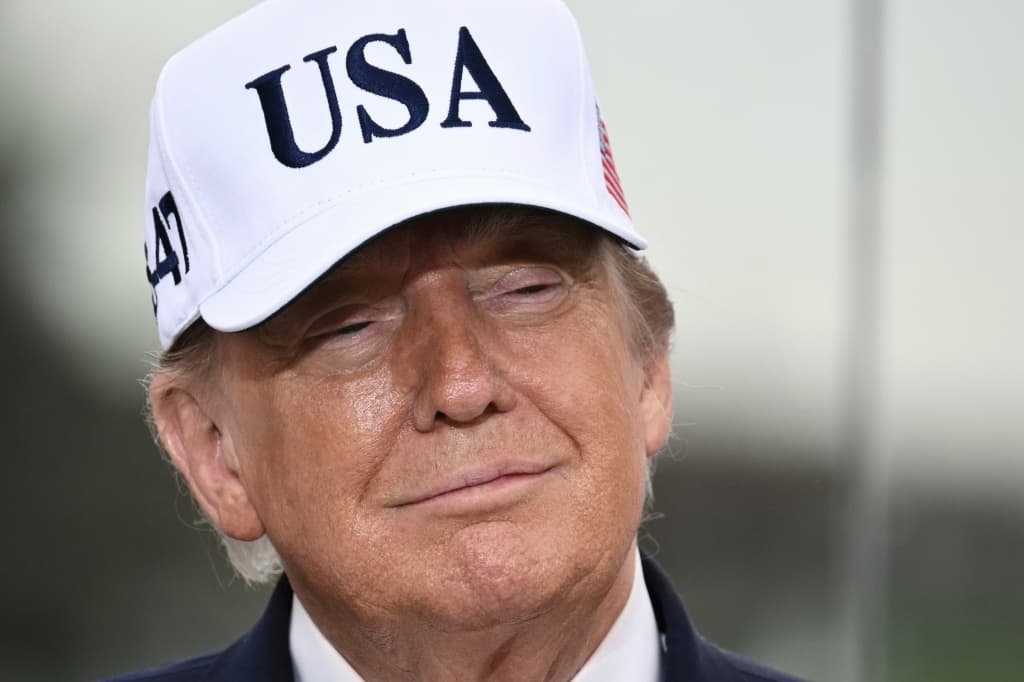
Against the backdrop of the war in the Middle East, US President Donald Trump said on Monday that progress had been made in the talks, while Tehran reported 'intensive' exchanges and offered to open the Strait of Hormuz on strict conditions. 'We are negotiating from a position of full strength. We can end this at any moment. If I can make a deal, I would prefer to do so and save many lives,' Trump said. Vice President JD Vance said he and the president are optimistic about an agreement; according to Axios, he sent a letter to the head of Iran's national security council, Mohsen Rezaei. Iranian President Masoud Pezeshkian said the supreme leader had expanded the government's mandate for peace talks, and parliament speaker and chief negotiator Mohammad Bagher Ghalibaf stated that 'the ball is now in America's court to prevent a war.' Meanwhile, Rodrigo Catril of National Australia Bank cautioned: the parties' positions have not substantially changed — Iran demands a cessation of hostilities, the lifting of the naval blockade, an easing of oil sanctions and the unfreezing of at least $12 billion before making concessions, while the US is seeking concessions on the nuclear program, which Tehran is willing to discuss only separately and later.