The key facts
- Wang Yi called dialogue and negotiations the only way to end the conflict, which, according to him, has become protracted and spread beyond the region.
- China confirmed its readiness to advance Xi Jinping's initiatives to reduce tensions and to strengthen ties with Tehran.
- Bagheri called the US and Israeli strikes on Iran and the death of the supreme leader 'unforgivable crimes' and war crimes.
Meeting in Beijing
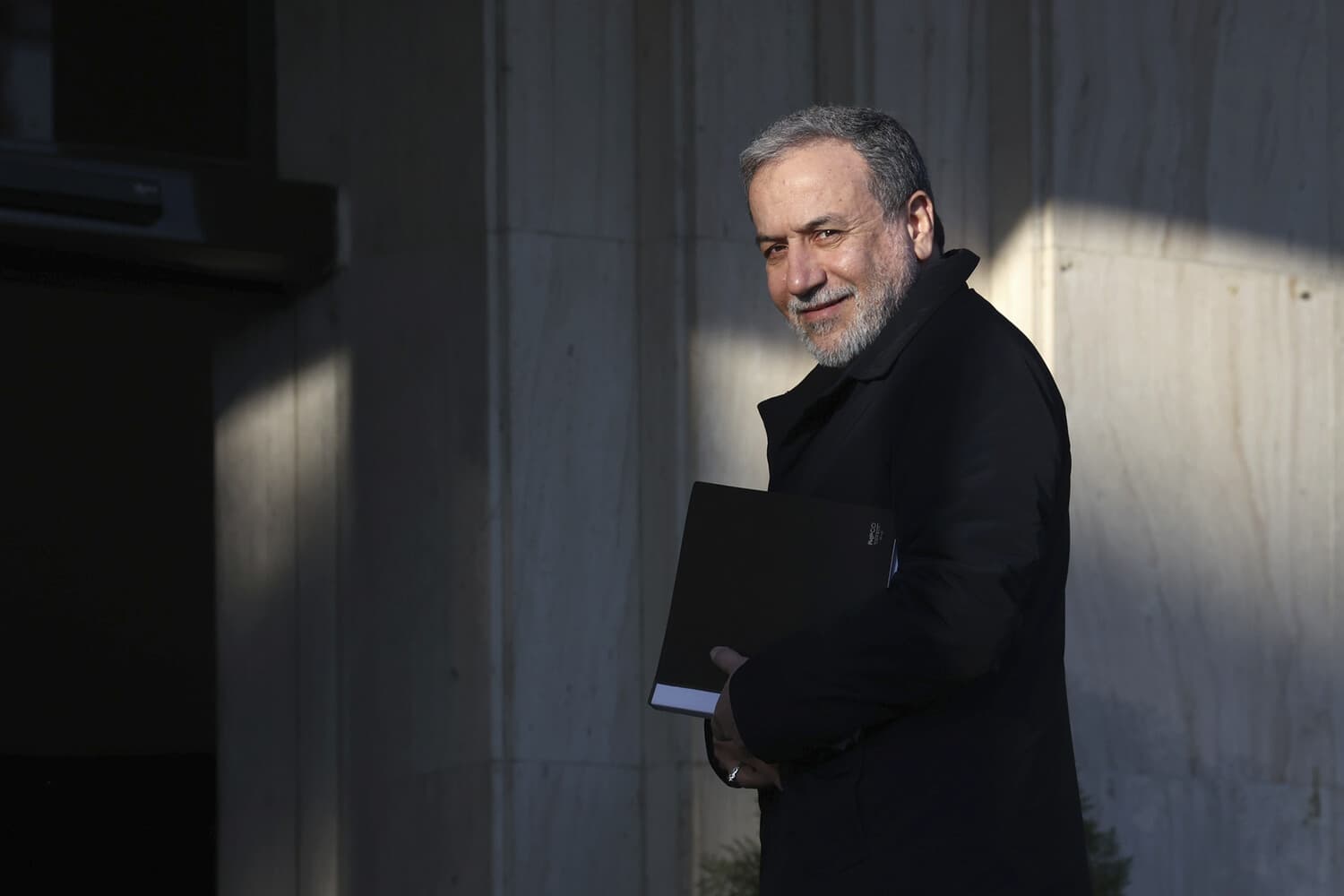
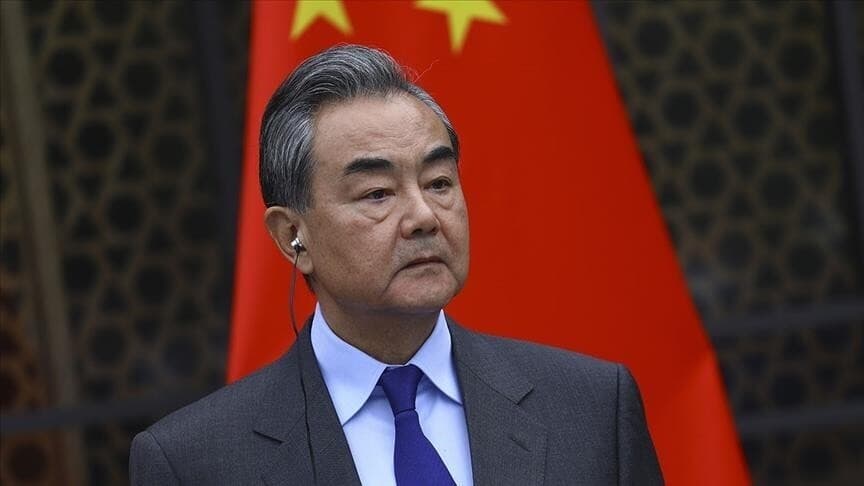
On Monday, November 2, China's Foreign Minister Wang Yi held a meeting in Beijing with Ali Bagheri, Deputy Secretary of Iran's Supreme National Security Council. According to the Anadolu agency, citing a statement by the Chinese Foreign Ministry,, Wang Yi called on all parties to act responsibly and refrain from further military action, stressing that dialogue and negotiations remain the only way to end the conflict.
Beijing's position
Wang Yi said the war had become protracted and had spread beyond the region. 'All parties must treat their peoples and history responsibly, move toward a common goal and focus on a political solution in a rational and pragmatic spirit, rather than resorting to force again,' Anadolu quoted him as saying. He also confirmed China's readiness to advance the initiatives of Chairman Xi Jinping aimed at reducing regional tensions and to work with all parties to restore peace. In the minister's assessment, relations between Beijing and Tehran, despite international turbulence, had developed steadily and reflect the Global South's aspiration for greater cohesion. Wang Yi expressed support for Iran's efforts to protect its sovereignty and security and pledged to strengthen bilateral ties.
Tehran's position
For his part, Bagheri, according to Iran's state broadcaster IRIB as cited by Anadolu, said Tehran would not compromise on protecting sovereignty, national security and territorial integrity: 'Iran will make no compromise in this regard.' He called the US and Israeli attacks on Iran and the killing of the country's supreme leader and members of his family 'unforgivable crimes,' characterizing them as war crimes. Bagheri also warned of the consequences of what he called US belligerence and expansionism, arguing that a war against civilization cannot succeed and would undermine the global economy.
What the statements reveal
The meeting highlighted a notable divergence in emphasis: Beijing focuses on de-escalation and a political settlement, while the Iranian side frames its position through an categorical refusal to compromise on sovereignty and accusations against the US and Israel. At the same time, both sides stressed their readiness to develop bilateral relations — Wang Yi linked this to the interests of the two countries and the aspirations of the Global South. The material is based on a report by a single agency; individual statements by the parties, including Bagheri's assessment, remain his own position rather than a confirmed fact.