The key facts
- The first group of Ugandan troops has already returned home, with the rest to follow in the coming days
- All forces, including the African Union mission, must leave Somalia by the end of 2027
- About 4,500 Ugandan troops remain in Somalia as part of the AU mission, plus about 2,000 under bilateral agreements
The beginning of the withdrawal
Uganda has begun withdrawing its troops from Somalia after nearly two decades of military presence in the country. As announced on Monday by the acting spokesperson of the Ugandan army, Chris Magezi,the first group of troops deployed under bilateral agreements has already returned home, with the rest to follow within the coming days. According to him, all forces, including the contingent serving in the African Union mission, will leave the country in stages by the end of 2027. This was reported by BBC News.
How the operation began and unfolded
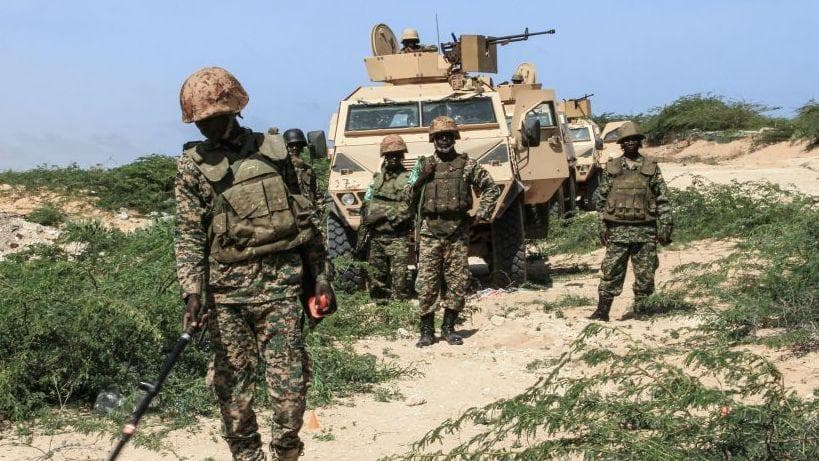
Uganda was the first African country to send troops to Somalia as part of the African Union Mission in Somalia (Amisom), established in 2007 to protect the transitional government from attacks by Islamist militants. Ugandan forces played a key role in driving the Al-Qaeda-linked group Al-Shabaab out of Mogadishu and other major cities, and then took part in the successive AU missions — including the transitional mission Atmis and, since 2025, the ongoing Aussom, whose task is to strengthen Somalia's security structures and prepare them to take independent responsibility for security.
Circumstances of the decision
The first group of 109 troops, according to reports, left Mogadishu on Friday — after the chief of staff of the Ugandan army, General Muhoozi Kainerugaba, announced the start of the withdrawal. “As we promised, we have begun withdrawing the UPDF from Somalia. After 20 years of blood and sacrifice, we are handing over security to our Somali brothers,” he wrote on X. The withdrawal followed the visit of Somali President Sheikh Mohamud to Kampala last week, where he met with the Ugandan leader Yoweri Museveni to discuss the security situation as well as trade and economic ties. According to reports, the Somali president tried to persuade Uganda to extend its military presence, but during the visit Museveni called on Somali leaders and citizens to unite in the fight against the Al-Shabaab insurgency.
Scale and uncertainty
There are currently, by estimates, about 4,500 Ugandan troops in Somalia serving in the African Union mission, plus another 2,000 deployed under bilateral agreements. Magezi said the withdrawal will mark the end of Uganda's operations in the country, and Somalia is expected to “take full responsibility for security.” At the same time, the Aussom mission itself faces funding uncertainty amid plans by the US and the UN to wind down their support: a 12-month transition plan is to begin in January, giving Somalia and the African Union time to find alternative sources of funding. How security will be ensured after the departure of the Ugandan contingent — the largest element of the mission — the sources do not specify.
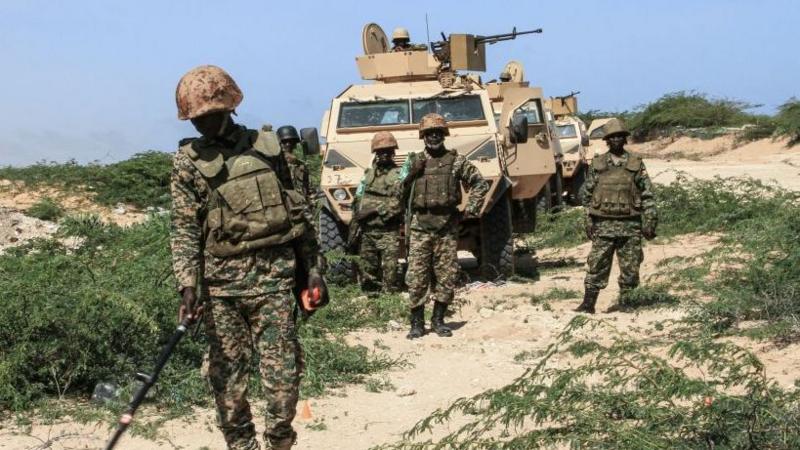 Image source, AFP via Getty Images
Uganda first deployed its troops to Somalia in 2007