The key facts
- Carlson suggests the US may consider a nuclear strike on Iran before November 7, naming Mount Kuh-e Kolang Gaz La near Natanz as the target
- According to him, the administration is divided: Hegseth, Cooper, Rubio and Ratcliffe favor a hard line, while Vance and Witkoff favor negotiations
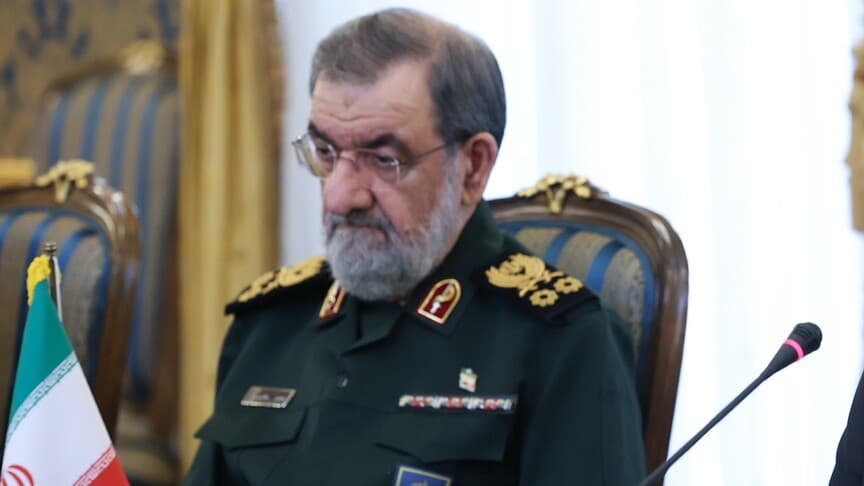
- Iranian Security Council Secretary Mohsen Rezaei said Tehran may withdraw from the NPT in the event of a new war with the US
Carlson's claim about a possible strike
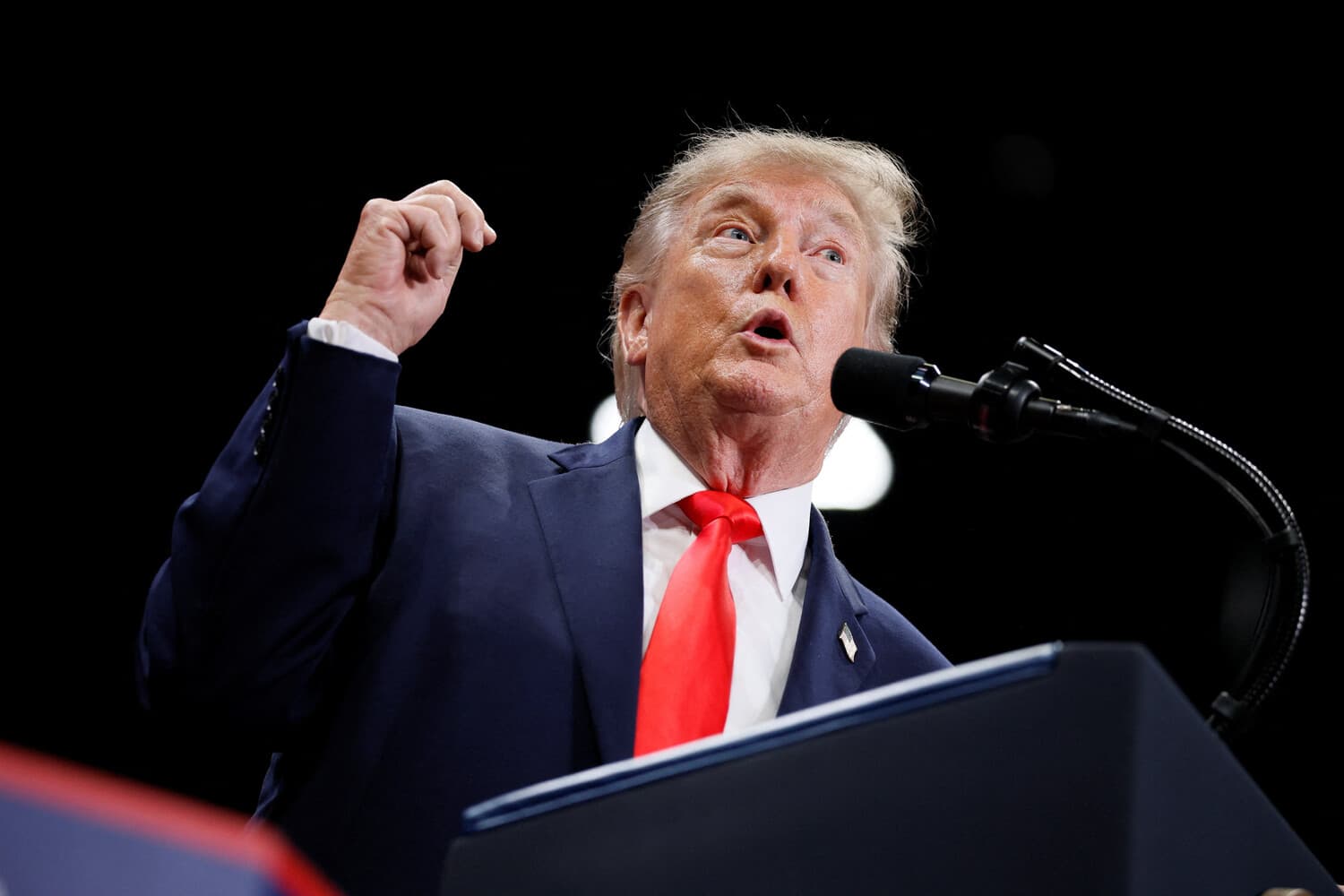
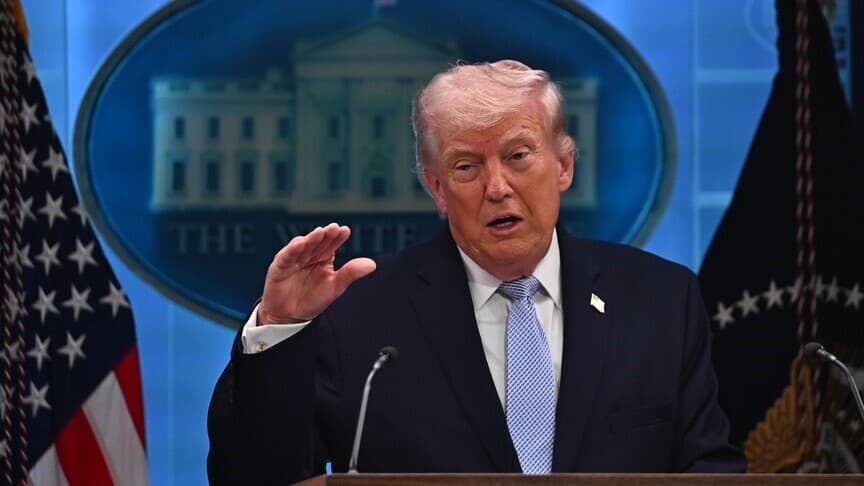
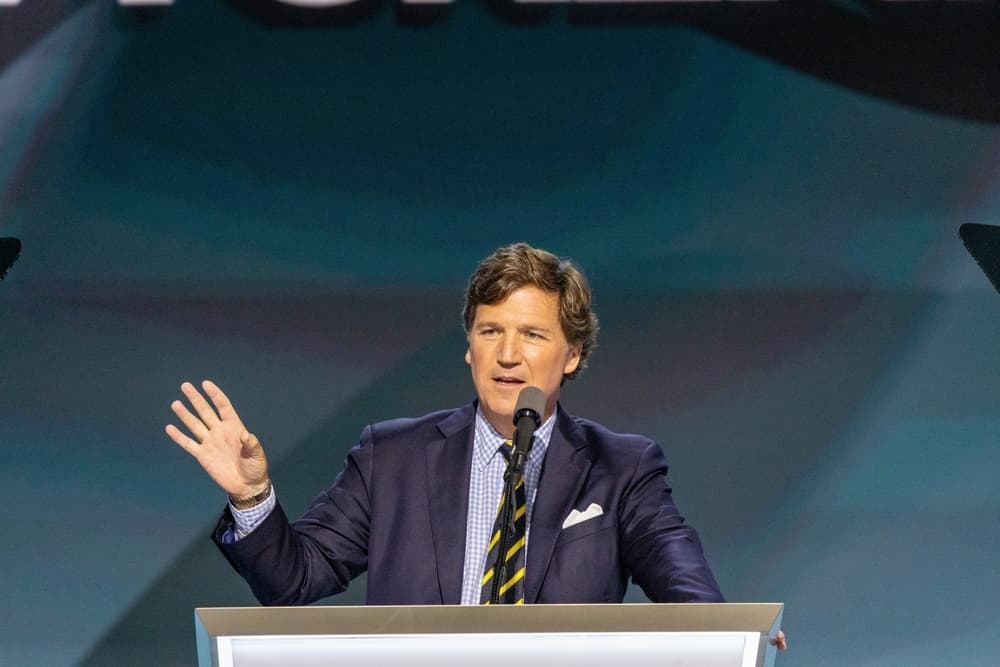
American journalist Tucker Carlson said that US President Donald Trump may consider using nuclear weapons against Iran before November 7. This is reported by Life.ru citing Carlson's post. According to him, Israeli Prime Minister Benjamin Netanyahu, who is interested in continuing the military campaign, is pushing the White House toward such a scenario.
The alleged target and Netanyahu's motives
Carlson names the alleged target of the strike as Mount Kuh-e Kolang Gaz La, also known as Kirkah Mountain, in the area of Natanz, Iran. He claims that Israeli intelligence has information that uranium enrichment work has resumed there, and that the underground facilities are protected by a granite mass so solid that conventional American munitions would not destroy them. In Carlson's view, Netanyahu's motive is domestic political: after last week's elections, he cannot form a government unless Trump intervenes in Israeli politics and secures him a deal for 61 seats in the Knesset; otherwise the prime minister is 'heading toward disgrace, investigations and possibly prison.' These claims come from the journalist himself and have not been officially confirmed. It is also noted that Netanyahu tried to secure the UAE's support for continuing the operation, but Abu Dhabi refused.
The split in the US administration
According to Carlson, there is no unity in the American administration: Pete Hegseth, Brad Cooper, Marco Rubio and John Ratcliffe support a tougher course toward Tehran, while Vice President JD Vance and special envoy Steve Witkoff favor a diplomatic settlement. Trump himself, Carlson writes, has not yet made up his mind and may decide before November 7; the journalist himself advocates continuing negotiations with Iran.
The claimed consequences
Carlson warns that the first combat use of nuclear weapons since 1945 would change other states' attitude toward such weapons: according to him, Russia has warned other countries of a possible revision of its own restrictions in the event of an American strike. He also cites the risk of radioactive contamination of the Persian Gulf in the event of a ground explosion at Kirkah Mountain, and, as an additional factor, the problems with energy and fertilizer supplies that have already arisen after the prolonged conflict.
Tehran's position on the NPT
Earlier, the secretary of Iran's Supreme National Security Council, Mohsen Rezaei, said that Tehran may withdraw from the Treaty on the Non-Proliferation of Nuclear Weapons, if the United States again launches military action against the country: after a new conflict, Iran would hardly want to remain in the agreement. As long as Iran is a party to the NPT, it intends to use all the rights provided by the treaty.