The key facts
- Brand's lawyer argues that the Channel 4 film and the 2023 publications 'poisoned the well of justice' and influenced the six complainants
- Brand faces seven charges: three rapes, three counts of sexual assault and one attempted indecent assault; he denies everything
- Earlier, the court heard testimony that the complainants had 'lived with what happened' for years, according to the BBC
What happened in court
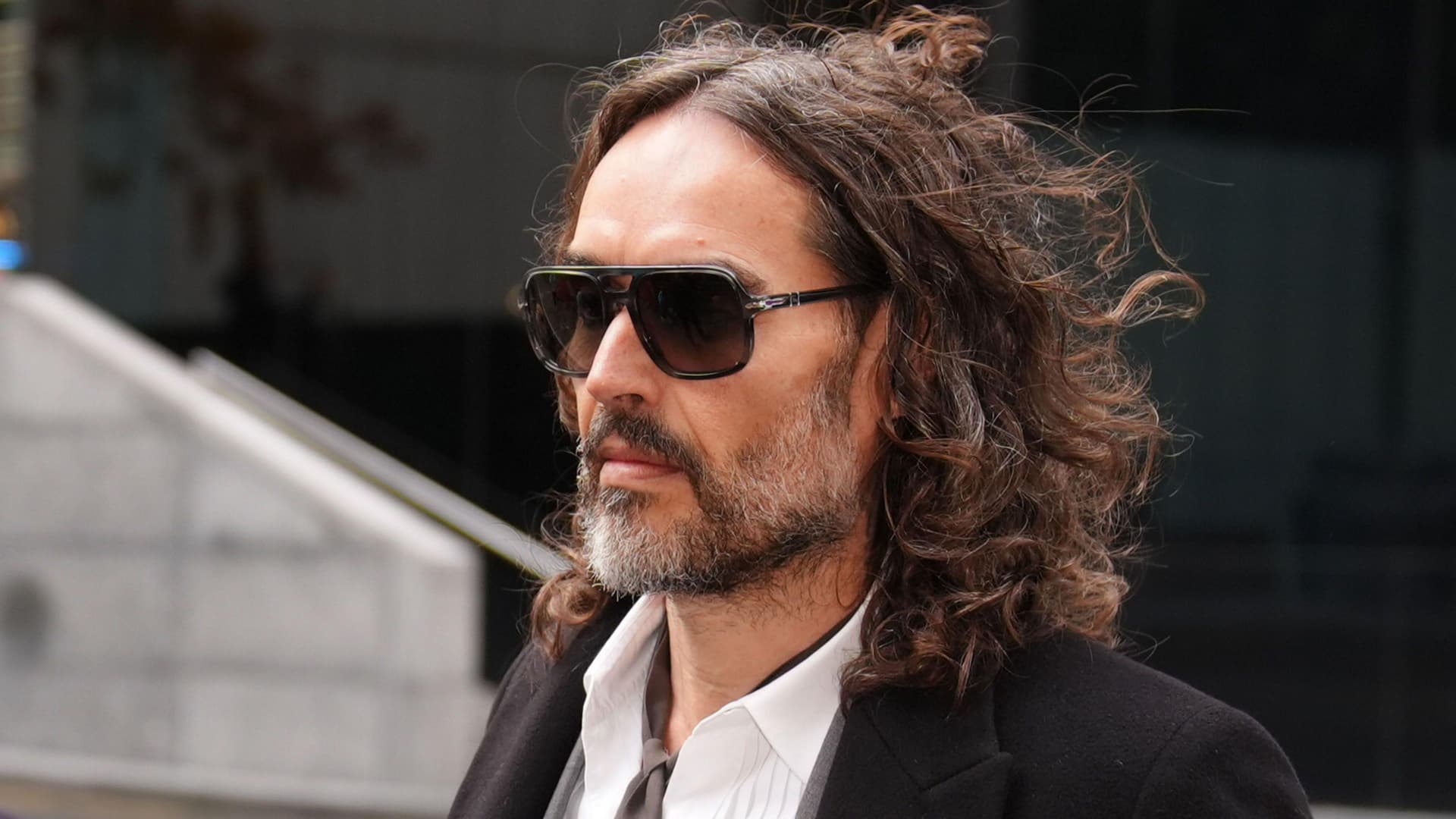
On Monday, another stage of Russell Brand's trial concluded at Southwark Crown Court in London: his defence counsel, Ian Winter KC, delivered his closing speech to the jury, BBC News reports. Brand faces seven charges — three counts of rape, three counts of sexual assault and one count of attempted indecent assault. He denies all the charges.
The defence's main argument
Winter told the jury that the 2023 Channel 4 Dispatches documentary and the reports by The Times and The Sunday Times containing allegations against Brand had 'poisoned the well of justice': according to him, it was precisely these publications that 'made people who previously did not consider it appropriate to bring criminal accusations against him do so — and many, many years later'. The defence counsel described the six complainants in the case as 'not random' and said they claimed to have been 'thoroughly infected' by the programme. He also recalled that the judge had earlier told the jury that the film was 'very one-sided' and made 'in a dramatic manner', and that no journalist had spoken to Brand before the programme aired, except to protect against libel risks.
The defence's case on the substance of the charges
Winter argued that 'living with a high degree of promiscuity is entirely lawful' and asked the jury whether they could be sure that, among the 'many women who consensually slept with Brand', he had raped exactly three. According to him, a 'highly peculiar feature' of the case is that Brand 'genuinely believed, quite evidently, that they were consenting', and there is no evidence that he is 'some kind of psychopath who rapes people and considers it normal'. Addressing the 1999 episode, the defence counsel said that for a rapist to simultaneously ask the victim whether she 'enjoyed it', one would have to be a psychopath, and added: 'Rapists do not leave their email address, do not leave their photographs, do not kiss their victims goodbye'.
Personal arguments and trial context
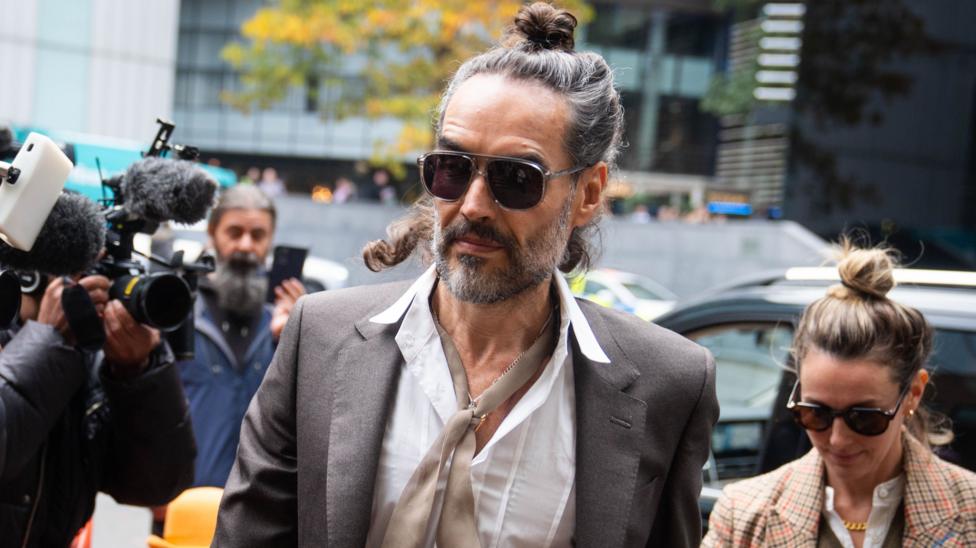
The defence also recalled Brand's own testimony about the consequences of the film: according to Winter, the hospital 'did not allow him to visit the bedside of his baby son after lifesaving open-heart surgery'. Brand had previously told the jury that Great Ormond Street Hospital had not allowed him to stay with his son because of 'material published in the public domain'. Winter also cited the testimony of Brand's wife Laura: she, he said, 'fell in love with this man, fully knowing what he did', married him and had three children with him, which she would not have done had he been 'guilty of what is alleged'. Brand arrived at court accompanied by his wife and her father, former golfer Bernard Gallacher. The trial continues.
What was said earlier
Two days earlier, the BBC reported a different side of the case from the trial: during the hearings it was said that the complainants had 'lived with what happened' for years because of the crimes allegedly committed against them. Thus, two opposing pictures have been presented to the jury: the defence insists that the public publications of 2023 provoked the belated accusations, whereas, according to reports of the complainants' testimony, the matter concerns long-held experiences that prompted them to come forward. The jury will assess these arguments.
 Image source, Press Association
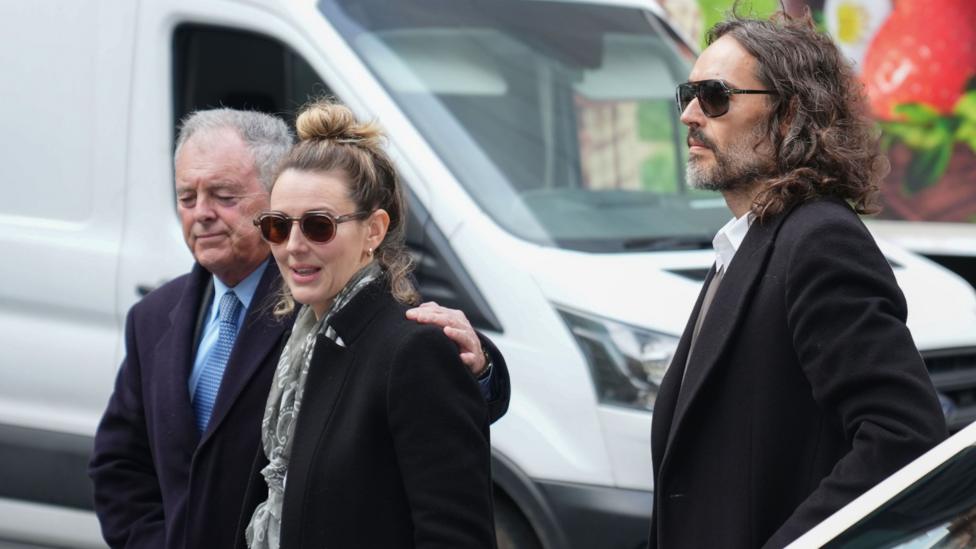 Image source, Press Association
Brand's father-in-law, former Ryder Cup-winning golfer Bernard Gallacher (left), also attended the trial on Monday