The key facts
- Goal: increase annual remittances from over $20 billion to $50 billion
- Target: increase annual remittances from over $20 billion to $50 billion
- Over 10 years, the number of people working abroad halved while remittances quadrupled
- Average monthly remittance per person: from $1,850 in Fergana to under $400 in Karakalpakstan and Tashkent region
- Average monthly remittance per person: from $1,850 in Fergana to less than $400 in Karakalpakstan and Tashkent region
Meeting on labor migration and a new goal — $50 billion
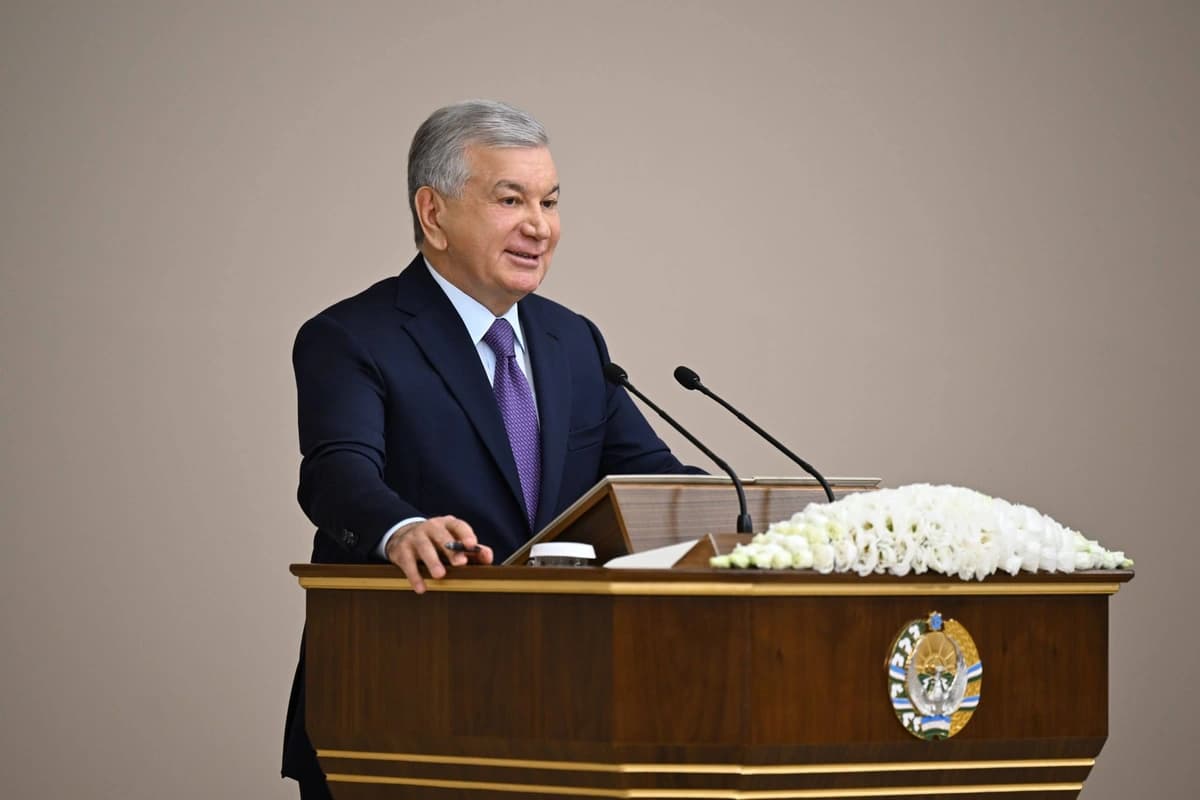
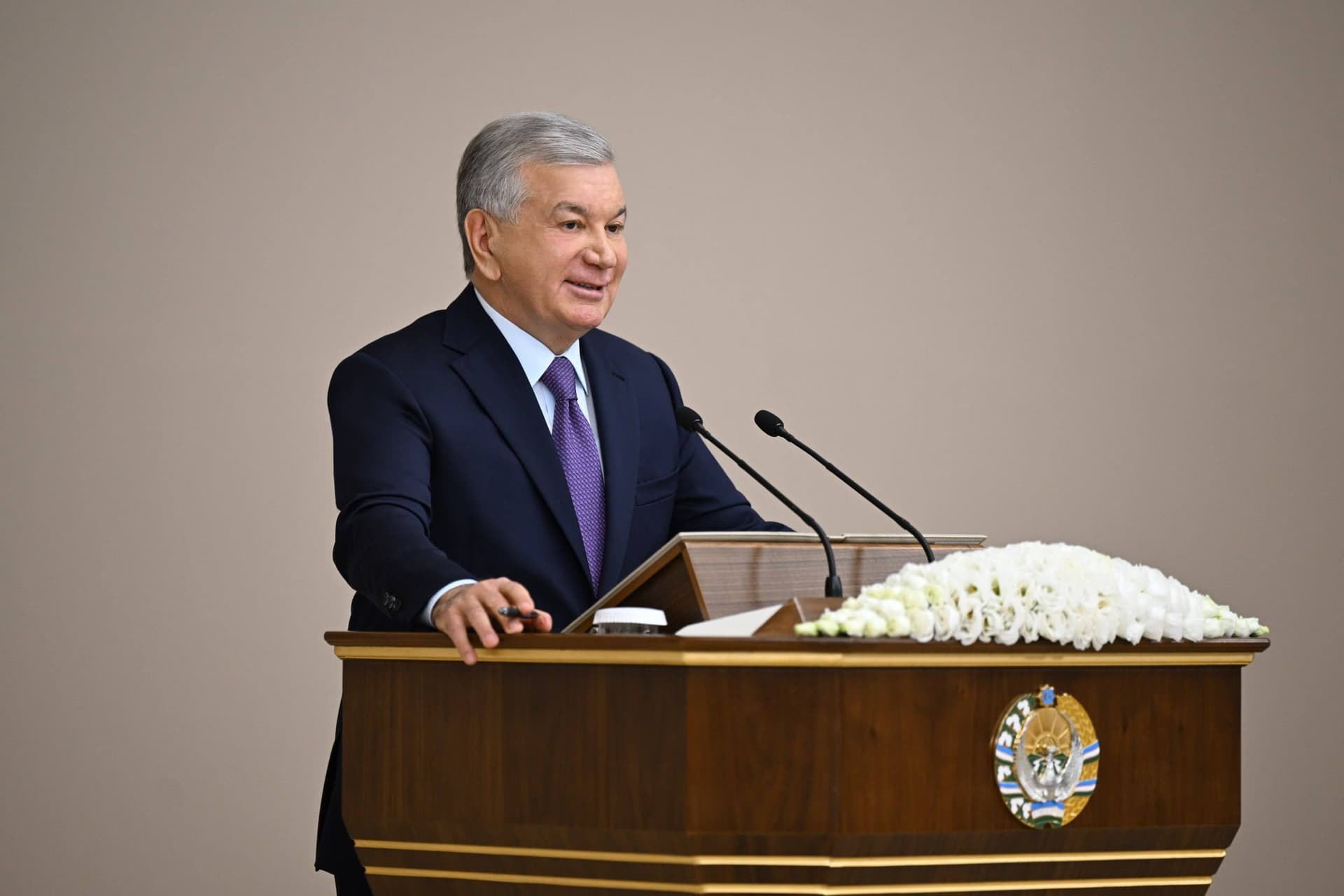
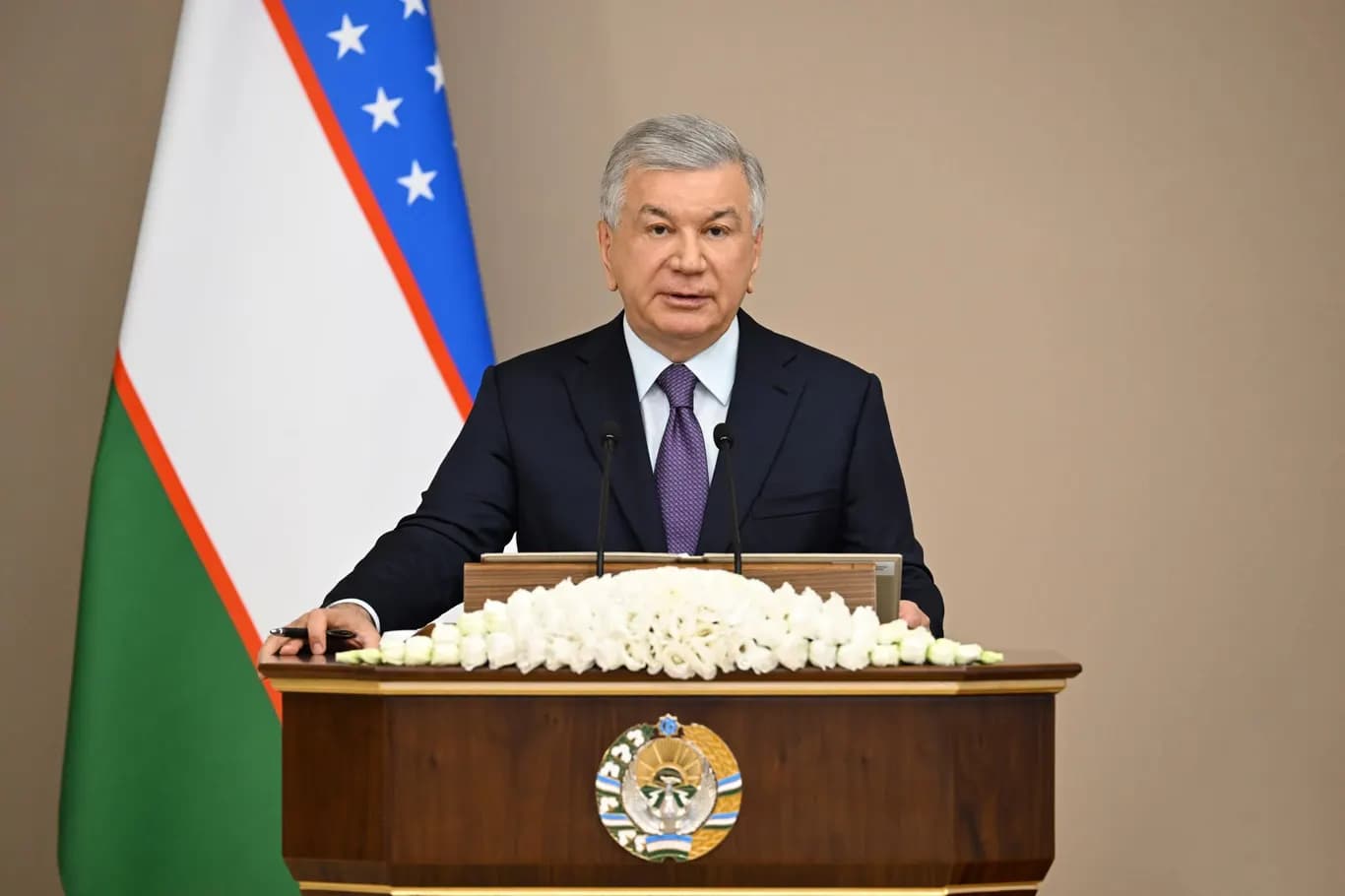
On November 2, President Shavkat Mirziyoyev held a meeting on labor migration issues, devoted to changes in the global labor market, preparing citizens who wish to work abroad, and ensuring decent employment for them. According to the head of state, 168 million people worldwide participate in international labor migration, while Uzbekistan has people willing to work abroad and other countries have high demand for labor; linking these two opportunities is the main task of the responsible agencies and regional leaders. This was reported by Zamon.uz, details are also provided by Gazeta.uz.
The $50 billion goal and criticism of the state
The key new instruction is to raise the annual volume of remittances from abroad to $50 billion. “Just as we set the task of increasing exports to $70 billion, in this direction we must ensure that families receive $50 billion a year,” the president said, according to a Gazeta.uz correspondent. He emphasized that migrants currently send more than $20 billion, but “the state has nothing to do with those $20 billion” — the growth was achieved through the efforts of the citizens themselves — and promised “not to back down” until the figure reaches $50 billion.
Fewer people — higher earnings
According to data presented at the meeting, over the past ten years the number of Uzbeks working abroad has halved, while the remittances they send to their families have quadrupled. The president saw this as a change in how citizens are treated in the international labor market: they now go abroad as qualified specialists rather than unskilled workers. The geography of organized labor migration has expanded from three countries to 27, and the number of large foreign employer partners has grown to almost 400. For comparison: in April 2026, the president was told at a presentation that about 1.2 million citizens were working in nearly 40 countries, and in August the Migration Agency cited a figure of about 1.4 million — the agencies’ data differ.
The gap between regions
Separate attention was given to differences in migrants’ earnings across regions. The average monthly remittance per person working abroad is $1,850 in Fergana region, while in Karakalpakstan and Tashkent region it is less than $400, in Syrdarya region less than $500, in Jizzakh and Navoi regions less than $600, and in Surkhandarya and Khorezm regions less than $700. “They should earn at least $2,000. If it does not bother you that our migrants work abroad for $400, it hurts my pride,” the president said. In this regard, he demanded a review of the work of khokims, ambassadors, and technical college heads in preparing citizens for well-paid employment abroad.
Responsibility of ambassadors, khokims, and technical colleges
The president questioned the contribution of state structures to the current $20 billion in remittances and asked which khokims had signed agreements with recruitment companies abroad: according to him, only the khokim of Kashkadarya region achieved concrete results, having personally visited Germany. Positive experience in connecting foreign partners with technical colleges and employing compatriots was noted in Germany, Turkey, Slovakia, and Qatar, while the work of ambassadors in other countries was criticized. According to the head of state, the country has about 200,000 young people with English language certificates, but their employment opportunities in English-speaking countries are underused; embassies must support citizens all the way to adaptation in a new workplace. “At one time we smeared these people. Yet we never asked ourselves: what conditions did we ourselves create for them?” the president said about labor migrants, instructing khokims to care for the well-being of their families.
Context: remittance dynamics
The goal presented at the meeting aligns with official statistics: according to the Central Bank, in 2025, personal remittances from abroad reached $18.9 billion (+28% compared to 2024), and in January–June 2026 they amounted to $9.3 billion (+13% year on year). The most notable growth came from remittances from the UK (+62%), EU countries (+27%) and the US (+19%), which, according to the regulator, indicates a gradual diversification of the geography of labor migration; at the same time, Russia remains one of the main destinations for employment. Thus, the stated target of $50 billion is more than double the current annual level of remittances.