The key facts
- Brent fell about 2.8% to ~$108.5, WTI dropped 3% to below $100 per barrel
- Iran says the strait could be reopened within two days if Washington meets a number of conditions
- Goldman Sachs estimates the geopolitical premium at ~$27 per barrel and raised its Brent forecast to $105
Prices fall amid talks in Qatar
Oil began the week with a decline: on Monday morning Brent traded around $108.5 per barrel, roughly 2.8% below Friday's close, while WTI fell 3% to below $100. Prices dropped as Iranian negotiators in Qatar discussed a plan to resume shipping through the Strait of Hormuz, which has been closed since the war began in late February and previously carried about a fifth of the world's oil. This is reported by euronews. However, as the outlet notes, there is as yet little sign of a real breakthrough behind the market movement.
Iran's conditions and mixed signals from Washington
Iranian Foreign Minister Abbas Araghchi said in an interview published on Telegram that the plan under discussion could allow the strait to be reopened in as little as two days — provided Washington meets a number of requirements. Earlier, Iranian officials had demanded an end to the naval blockade of ports, the lifting of sanctions on oil exports, and a halt to hostilities on all regional fronts. Araghchi stressed that there are no direct talks with the United States, and that the outcome depends on Washington's answers to Tehran's questions.
The military option remains on the table
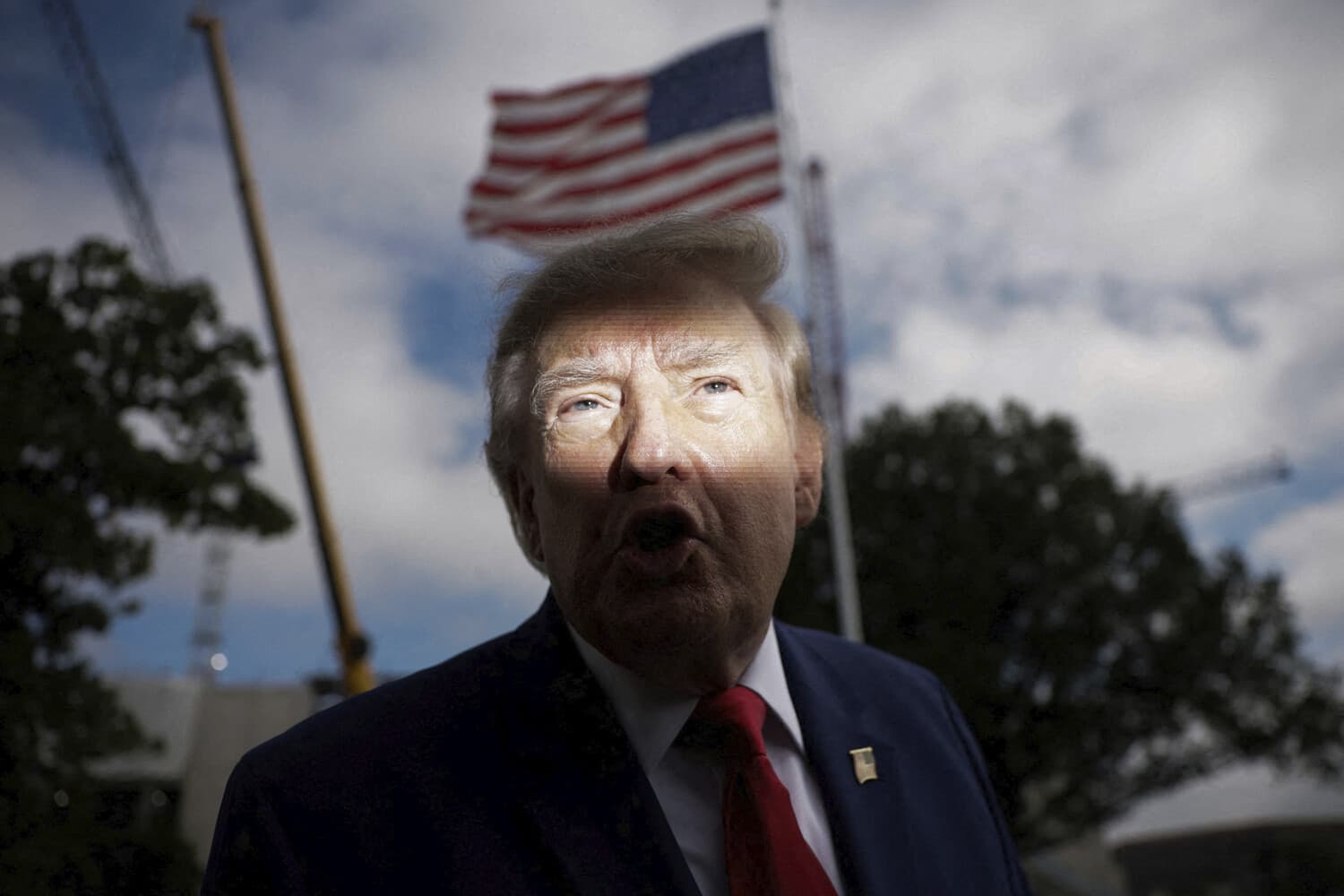
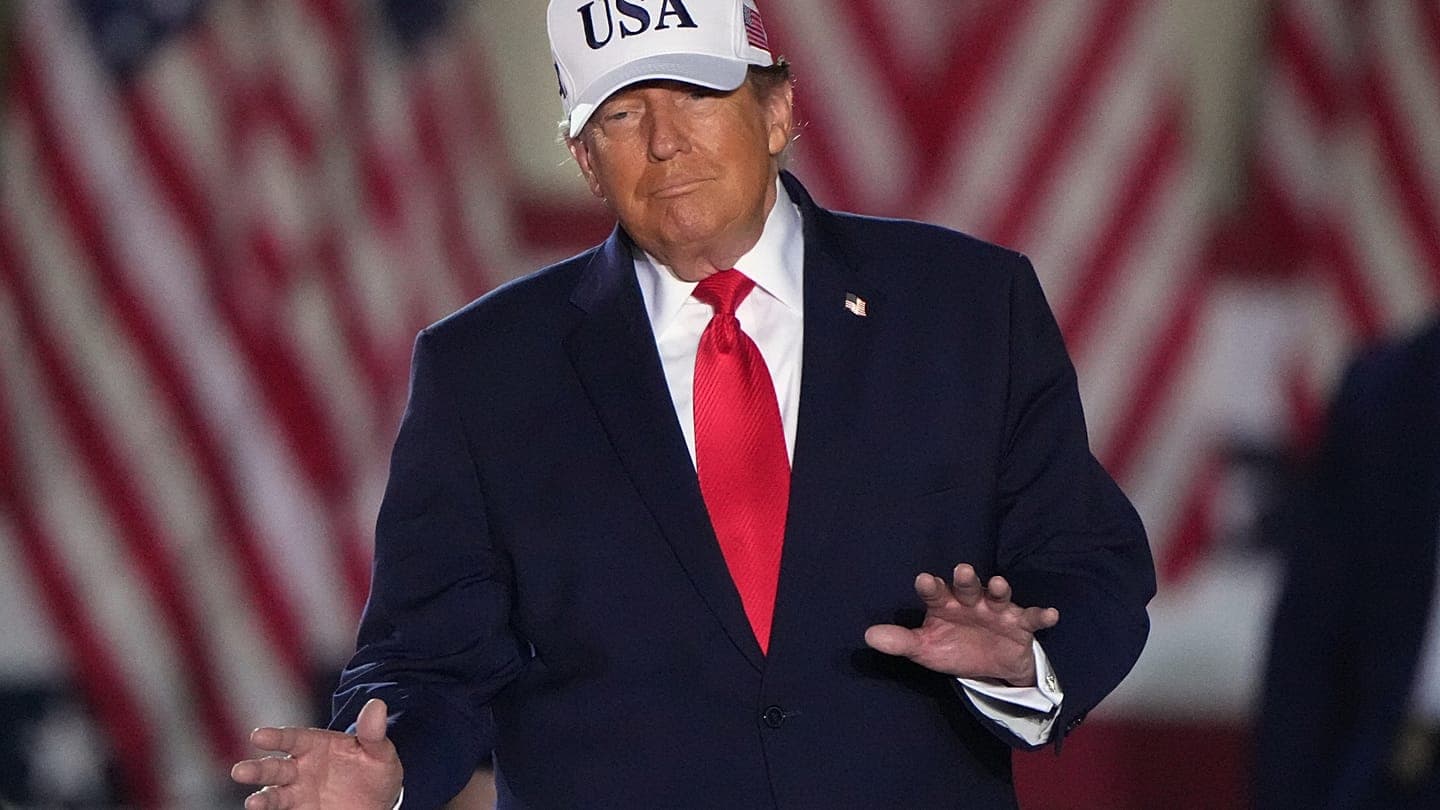
US President Donald Trump, at a party at his Mar-a-Lago residence, said the talks were 'going fine' but called the Iranians 'not very reliable.' In his words, the US has 'destroyed Iran's navy and air force,' but still 'has to deal with one or two sites,' which could be done 'in 10 minutes.' Asked about a possible resumption of the war this week, he replied: 'Let's say yes. Would I tell you?' Secretary of State Marco Rubio said on Saturday that no decision to resume military action has yet been made.
Netanyahu's pressure and domestic politics
According to Axios, which euronews cites, in a phone call on Saturday Benjamin Netanyahu urged Trump to resume strikes immediately after the US midterm elections on Tuesday, while Trump wants to give diplomacy more time; Trump himself described the call as 'very good.' Last week, the Wall Street Journal reported that Vice President JD Vance, at Trump's direction, sent a letter to Mohsen Rezaei, secretary of Iran's Supreme National Security Council, about resuming peace talks; Trump denied this, claiming the message concerned medical supplies for Iran. Netanyahu's position is complicated by a political crisis: his bloc won 53 of 120 Knesset seats in the October 27 election — fewer than the required 61 — the opposition led by Gadi Eisenkot took 48, and Likud claimed, without evidence, that the vote was falsified.
Military risk is still priced in
In a note to investors on Monday, Goldman Sachs estimated the geopolitical premium at roughly $27 per barrel, which, in the bank's view, 'explains most of October's price rally,' when Brent briefly reached $118. The year-end Brent forecast has been raised from $90 to $105 — markets are giving more weight to the risk of escalation after the midterm elections. Risks to supply persist: UK Maritime Trade Operations reported on Sunday that a vessel in the strait was hit by a projectile, and on Friday Iran itself claimed several strikes on ships — tension on the key sea route has not eased.