The key facts
- On October 31, Netanyahu asked Trump to resume strikes on Iran after the congressional midterm elections
- Trump prefers negotiations with Tehran mediated by Qatar; Iran has set seven conditions for their start
- Netanyahu's bloc won 53 seats in the Knesset, which is not enough to form a government
The Prime Minister's demand and the White House's position
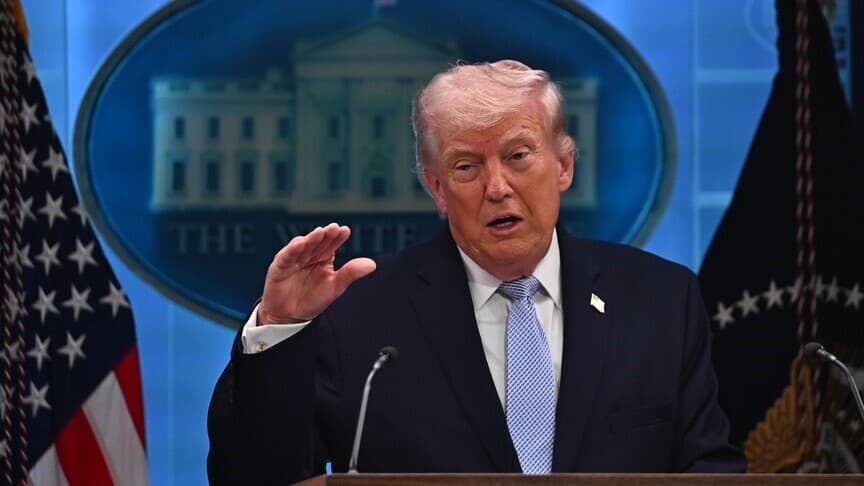
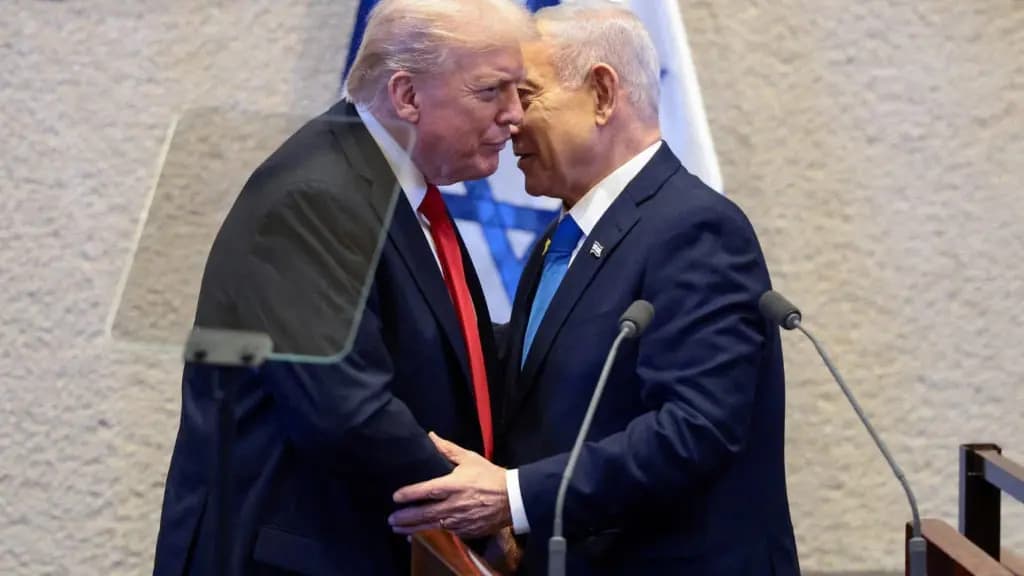
Israeli Prime Minister Benjamin Netanyahu, in a phone call with US President Donald Trump held on October 31, demanded the resumption of strikes on Iran. This is reported by Axios, retold by Daryo.uz. The Israeli side described the conversation as 'tense,' the American side as 'candid.' Netanyahu asked Trump to begin strikes on Iran after the midterm congressional elections, but the US President for now prefers to give negotiations with Tehran a chance, conducted with Qatari mediation. According to the outlet, Netanyahu is expressing concern about these negotiations.
Parallel strategies and a fragile truce
Axios recalls that before the previous operations against Iran — in June 2025 and February 2026 — Trump likewise pursued two parallel strategies: seeking an agreement while simultaneously preparing for combat operations. In June 2026, the US and Iran agreed on a ceasefire, but soon both sides accused each other of violating the truce. In late October, the US warned the Persian Gulf states of a possible short but intense military operation in the region after the midterm elections. At the same time, Vice President JD Vance contacted Mohsen Rezaei, Secretary of Iran's Supreme National Security Council, to find out whether there was enough common ground between Tehran and Washington for a deal.
Tehran's conditions and the domestic political context
Rezaei previously stated that negotiations would begin only if the US accepted Iran's seven conditions; according to Daryo.uz, these demands differ from the content of the memorandum signed in June in Islamabad, and Tehran emphasized that dialogue will not begin until they are fulfilled. A separate factor is domestic politics in Israel itself: in the parliamentary elections held on October 27, Netanyahu's bloc won 53 seats in the Knesset, which is not enough to form a government on its own, so coalition talks may drag on. Thus, the question of strikes on Iran remains open: Trump has not yet made a decision, and the Israeli Prime Minister's position may depend on the outcome of the cabinet formation.