The key facts
- The four-person crew spent 378 days in isolation — since October 19, 2025
- Communication with NASA was maintained with delays, as in a real flight to Mars
- This is the second such experiment: in 2023–2024, another crew also spent 378 days in isolation
A year in the 'Martian' module has come to an end
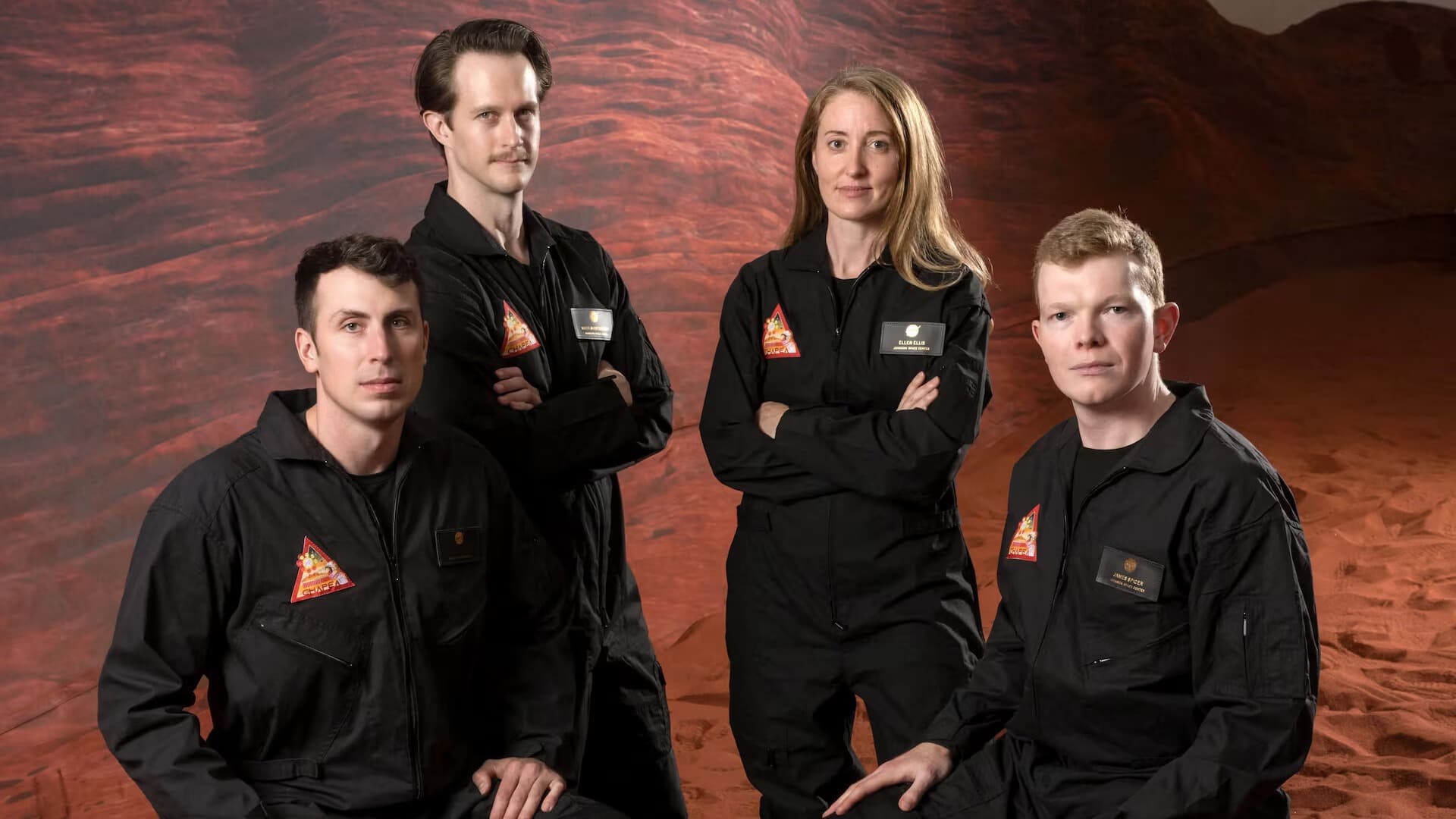
The crew of NASA's simulated Mars mission has emerged from isolation after 378 days. This was reported by Reuters; the Kun.uz outlet also shared details of the experiment. The crew consisted of mission commander Ross Elder, science officer Matthew Montgomery, medical officer Ellen Ellis, and flight engineer James Spicer.
How the experiment went
The astronauts had been in isolation since October 19, 2025. Throughout this time, they communicated with NASA representatives under conditions simulating the communication delays typical of a real flight to Mars. According to Reuters, the participants also kept their module in working order and carried out tasks simulating activities on Mars — for example, growing crops in soil similar to Martian soil.
What comes next and why it matters
The astronauts now face a two-week period of evaluating the mission's results together with NASA scientists. One of the goals of the experiment is to understand how people can better adapt to a long spaceflight, its routine, and its tasks. This is already the second such test: in 2023–2024, another crew also spent 378 days in isolation.
NASA's plans
NASA plans to organize a crewed mission to Mars. Exact dates have not been determined, but the agency noted that the flight could take place in the 2030s.