The key facts
- 16-year-old Sevda was killed on 9 January by a sniper's bullet during protests near Tehran — according to her mother Samara's account to BBC Panorama
- 16-year-old Sevda was killed on 9 January by a sniper's bullet during protests near Tehran — according to the account of her mother Samira to BBC Panorama
- According to Samara, the authorities pressured families to call the dead victims of 'terrorists', and she was offered to declare her daughter a 'martyr' in exchange for benefits
- According to Samira, the authorities pressured families to call the dead victims of 'terrorists', and she was offered the chance to declare her daughter a 'martyr' in exchange for benefits
- The Iranian authorities have acknowledged more than 3,000 dead; the human rights group Hrana estimates the death toll at more than 7,000
The death of a daughter at the protests
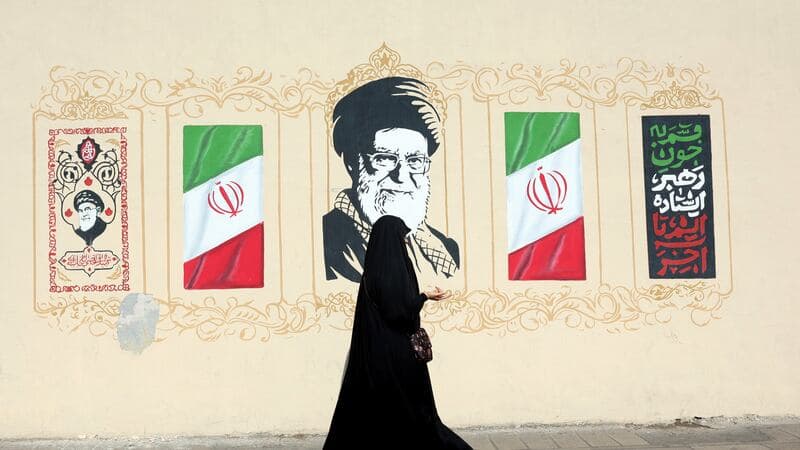
Samara, who previously worked in Iran as a cosmetics saleswoman and did not consider herself politically active, told BBC Panorama, that her only child — 16-year-old Sevda — was shot dead on 9 January during mass demonstrations on the outskirts of Tehran. The protests began in December over economic grievances and grew into demands for the end of the Islamic Republic. According to the mother, the day before, on 8 January, she and her daughter took to the streets in response to the call by Reza Pahlavi, the son of the last shah, living in exile. The next day, Samara says, the authorities announced an order to 'shoot to kill', which she considered an empty threat: 'We could not imagine a massacre of such a scale.' Sevda, according to her account, seemed to sense the danger — she took off her earrings and gave them to her grandmother, and told her mother her phone passcode.
A sniper, a morgue and pressure from the authorities
'A sniper fired from the roof of a building to our right. The bullet went through her heart,' the BBC quotes Samara as saying. Her daughter was taken to hospital, but, according to the woman, she soon saw the body sewn into a bag. The search for the body took days: in one of Tehran's largest morgues, Samara opened bags containing the bodies of teenagers and found her daughter only under three other bodies. To take the body for burial, she says, she was forced to state that Sevda had been killed by 'terrorists', not by security forces. Later, before the 40-day memorial ceremony — an important date in Iranian culture — she says she was summoned to a local branch of the Ministry of Intelligence and offered to give an interview calling her daughter a Basij member killed by protesters, in exchange for 'martyr' status and material benefits. She links this offer to the fact that, after the internet was restored, she spoke about her daughter's death to an Iranian media outlet in London.
Escape, a sentence in absentia and an ongoing struggle
Immediately after the 40th day, Samara fled Iran on foot across rivers and mountains with the help of guides and now lives in hiding abroad. After giving further interviews to foreign media, she says she was charged in absentia under several articles, including 'moharebeh' — 'waging war against God', which carries the death penalty. On what would have been Sevda's 17th birthday, relatives held a memorial event whose broadcast Samara watched: according to her, the event was broken up by the IRGC, some of her relatives and friends were arrested, and the family was threatened with the exhumation of the body if they continued to gather at the grave. Samara now publishes online the names of security officials and government figures who, she believes, gave the orders to shoot on 8 and 9 January. After one of the people she named was found dead, a supporter of the regime announced a $5,000 reward for information on her whereabouts; Iranian state media reported the arrest of nine people in connection with the death.
Differing estimates of the death toll and Tehran's position
The number of protest victims remains a matter of dispute. According to the BBC, the Iranian authorities have acknowledged more than 3,000 dead, claiming that security personnel were among them; the human rights group Hrana puts the death toll at more than 7,000, the majority of them protesters. The Iranian embassy in London told Panorama that the peaceful protests were 'hijacked' by foreign powers, including the United States, which allegedly promoted violence, supplied weapons and equipment, and undermined public security. Samara's account also includes a mention of a promise of support from Donald Trump: on 8 January he told American media that he would 'hit very hard' at the Iranian authorities if they began killing people. The context of the events — the protests, the brutal crackdown and the US and Israel's war against Iran, during which, according to the BBC, Supreme Leader Ayatollah Ali Khamenei was killed — is examined in the documentary 'Iran: The People's Story', available on iPlayer and broadcast on BBC One on 2 November 2026.
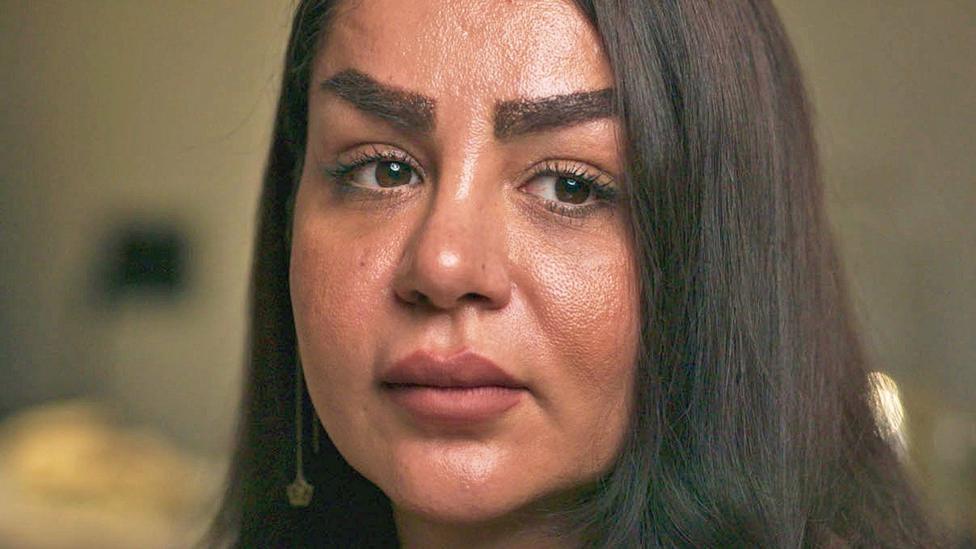 Image source, Sisu Pictures Ltd
Samira now lives in hiding abroad
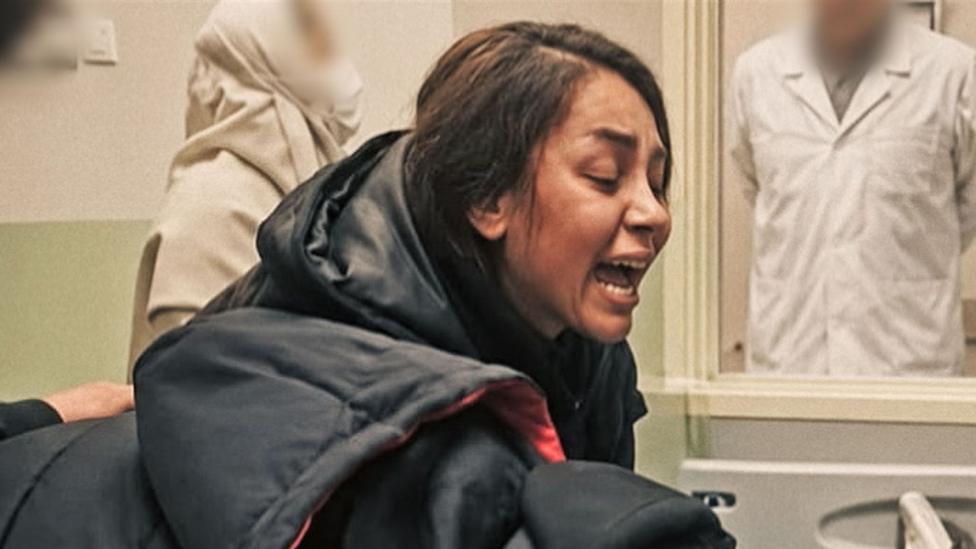
Samira at the hospital where her daughter was pronounced dead
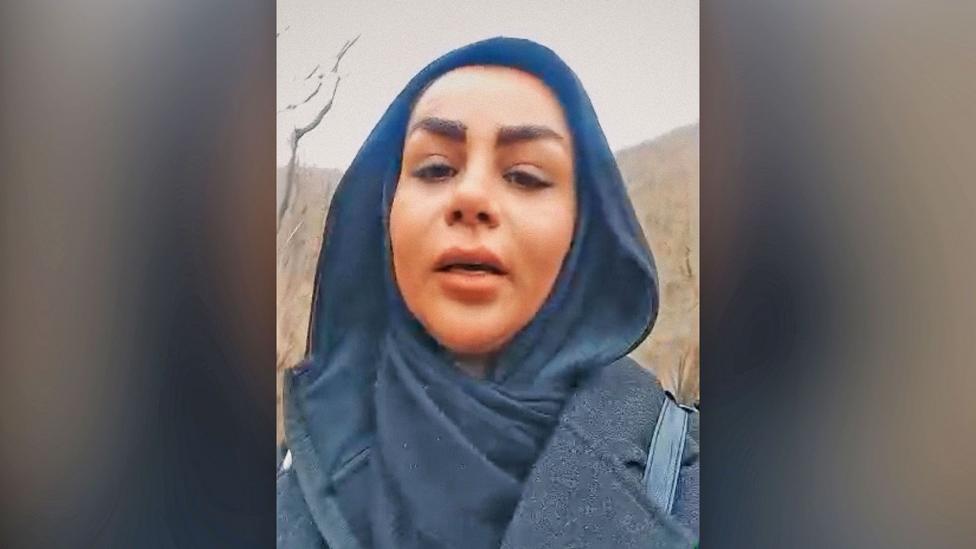
Samira filmed herself fleeing Iran on foot