The key facts
- Less than 100 days remain until the UK's analogue network switch-off on 31 January 2027; around 1 million copper lines are still active, 300,000 of them at businesses
- Without migration, payment terminals, lift emergency phones, fire alarms, security systems and intercoms may stop working
- From 1 October, rental of legacy lines has been doubled, with further increases planned from February; those who do not switch may be automatically moved to an expensive emergency-calls-only service
Less than 100 days until the switch-off
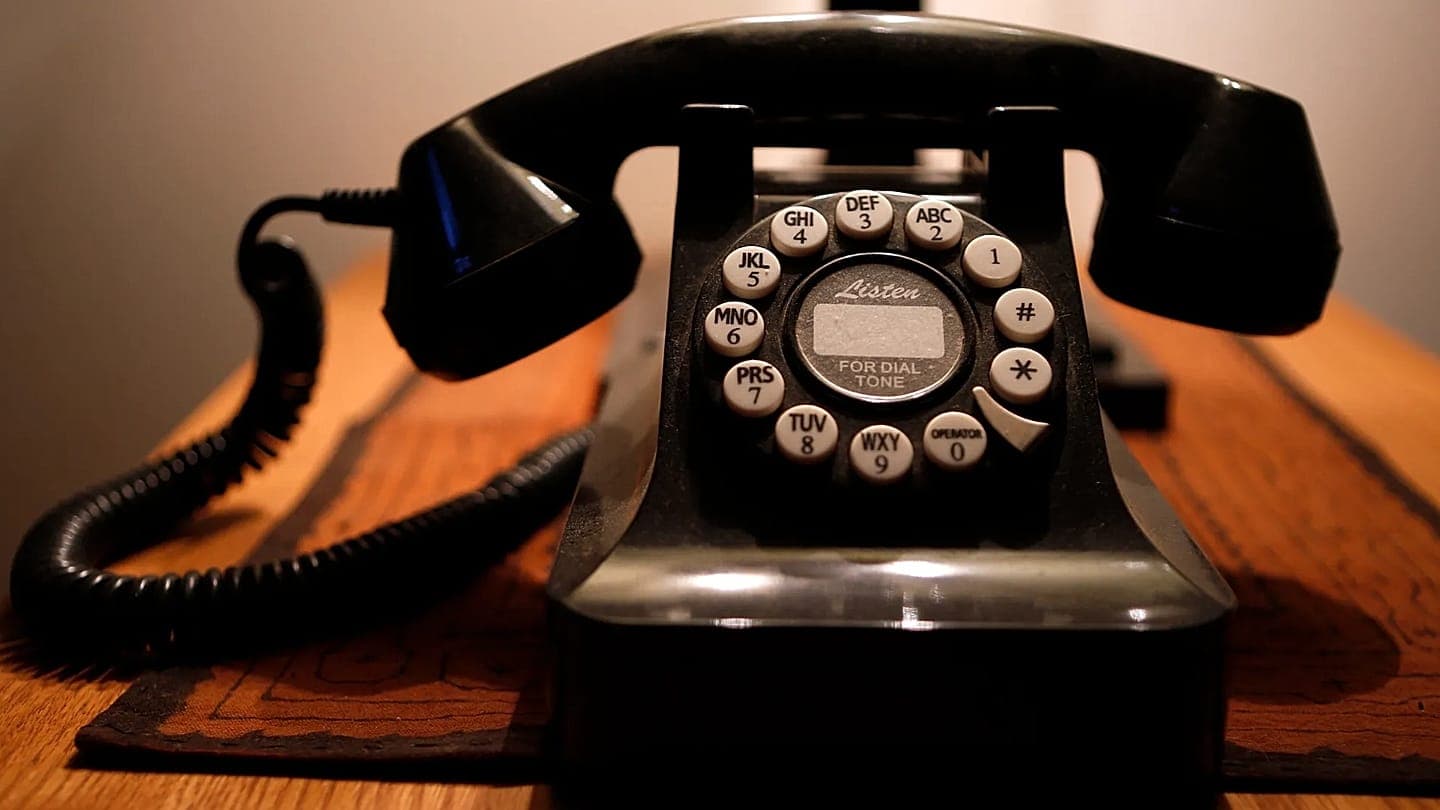
Openreach, the operator owned by BT Group, has warned that less than 100 days remain until the final switch-off of the UK's old analogue telephone network on 31 January 2027. According to the company, around one million copper-based lines are still active in the country, of which 300,000 are at business premises. Openreach stated that refusing to migrate to digital solutions 'carries serious operational risks, as well as risks to safety and regulatory compliance.' The company's All-IP director James Lilley urged businesses 'to act now, audit the analogue services that remain, and work with their telecoms provider to develop a migration plan.'
Who will be affected by the switch-off
It is not only home phones that depend on the copper network. As euronews notes, without a timely switch to digital services, payment terminals, emergency phones in lifts, fire alarm panels, security systems and intercoms may stop working. This means that not only communication itself is at risk, but also the day-to-day operation of shops, residential buildings and sites where analogue lines are used for alarms and access control.
What will happen to those who do not switch
On 1 October, Openreach doubled the rental charge for legacy lines, with further increases planned from February. Subscribers who have not moved to new services by the deadline may be automatically transferred to a temporary 'emergency' service that allows only the most essential calls; the company said it will be significantly more expensive than digital alternatives. Households wishing to keep a landline phone will not lose their line: the handset will connect to a broadband router and work over the internet.
Context: the market and European plans
According to the regulator Ofcom, subscribers with a phone line but no broadband are becoming an increasingly small group. From 31 March this year, BT raised the line rental fee by £1 (€1.20) per month for customers who use only landline services, promising not to raise it again for 12 months while keeping call prices unchanged; Ofcom said it would monitor tariffs for this category. In the year ending in July 2025, more than a million households gave up landline services entirely, moving to broadband-only packages. In Europe, Norway and Spain have already switched off their copper networks, and the EU intends to make such a step mandatory by 31 December 2035 with limited exceptions: member states must submit national plans by 2029 for phasing out copper in 2030–2035, providing safeguards including clear communication of switch-off dates and continuity of services.