The key facts
- Leaders of five opposition parties will meet on Tuesday in Herzliya ahead of the president's consultations
- Eisenkot is already backed by 48 opposition members of Knesset; with the Arab lists his support could rise to 67 recommendations
- No bloc won the 61 mandates needed for a majority in the Knesset
Meeting ahead of consultations with the president
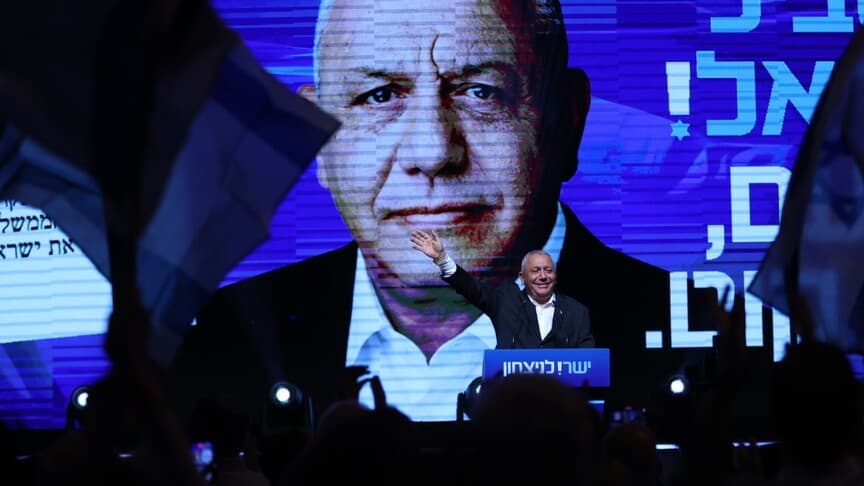
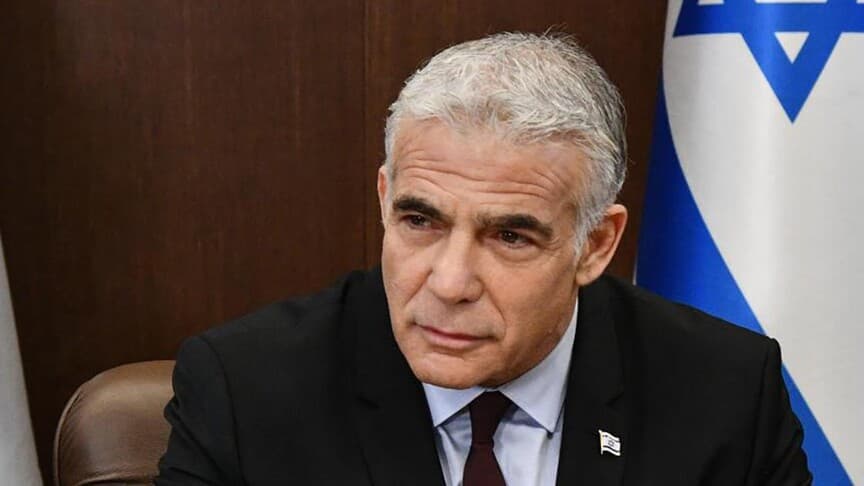
The leaders of Israel's Jewish opposition parties will gather on Tuesday for the first time since last week's parliamentary elections, in order to coordinate their next steps ahead of the president's consultations on forming a government. According to the Yedioth Ahronoth newspaper, the meeting will take place at 11:30 local time at the Dan Acadia hotel in Herzliya, in central Israel. Participants will include Yashar party leader Gadi Eisenkot, Together leader Naftali Bennett, Yisrael Beytenu leader Avigdor Lieberman, the Democrats' leader Yair Golan, and opposition leader Yair Lapid, who heads Yesh Atid.
The balance in the Knesset and the procedure
The elections left Prime Minister Benjamin Netanyahu's bloc with 53 seats in the 120-seat Knesset, the Jewish opposition with 48, and the Arab parties with 19. No camp secured the 61 mandates needed for a parliamentary majority. President Isaac Herzog will begin two days of consultations with the parliamentary factions on Wednesday, after which he will designate the member of Knesset tasked with forming a government. Under the Basic Law on the Government, the designated candidate will have 28 days to form a cabinet, with the possibility of a 14-day extension granted by the president.
Eisenkot's support and the main obstacle
Eisenkot has already secured the backing of all 48 opposition members of Knesset: the Democrats, Together, and Yisrael Beytenu have decided to recommend him during the consultations with Herzog. The two Arab lists are also expected to recommend him, which could bring the total number of recommendations to 67. Such support strengthens his chances of receiving the mandate, although the president is not obliged to choose the candidate with the most recommendations or the leader of the largest party. Receiving the mandate, in turn, does not automatically make Eisenkot prime minister and does not guarantee a successful government formation. The key obstacle remains Lieberman's position: he has rejected participation in a government that includes Arab parties or relies on their support, which makes it difficult to turn the opposition's combined parliamentary strength into a ruling coalition.