The key facts
- Hacked alert apps sent out fake messages about a nuclear strike, a chemical attack and fighting in Kyiv
- The Ukrainian Air Force refuted the threat within 15 minutes, but the all-clear was published only more than an hour later
- A cyber expert believes that following the link in the message could have exposed users to phishing and data leaks
Fake alarms about a nuclear strike
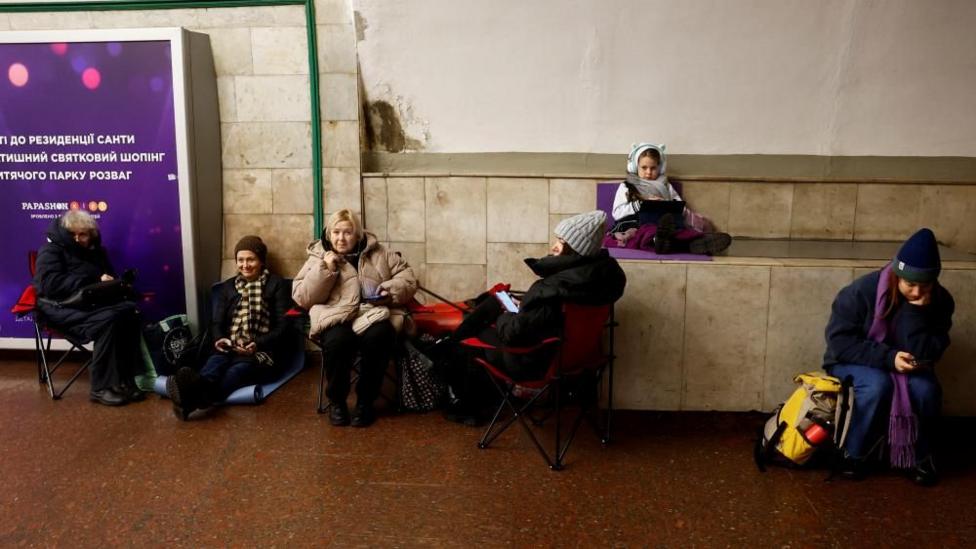
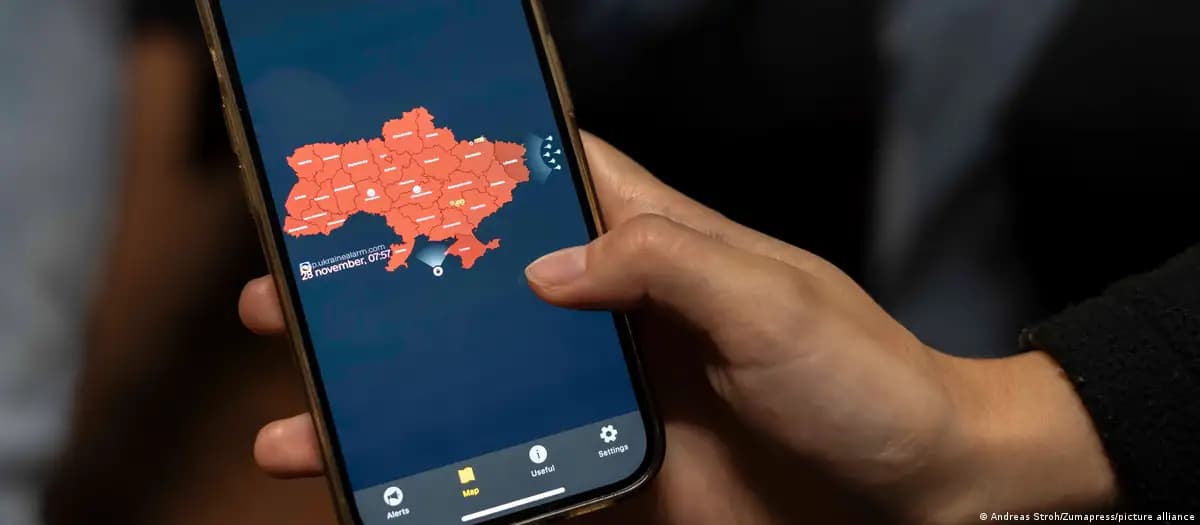
In the early hours of Sunday, Ukrainian air raid alert apps, hacked by malicious actors, sent out a series of increasingly extreme warnings — about impending nuclear strikes, chemical attacks and street fighting in Kyiv. Some of the messages were written in Russian, and one contained a link to a Telegram channel allegedly belonging to a hacker group. This was reported by BBC News, whose correspondent was in Kyiv.
The reaction of the authorities and residents
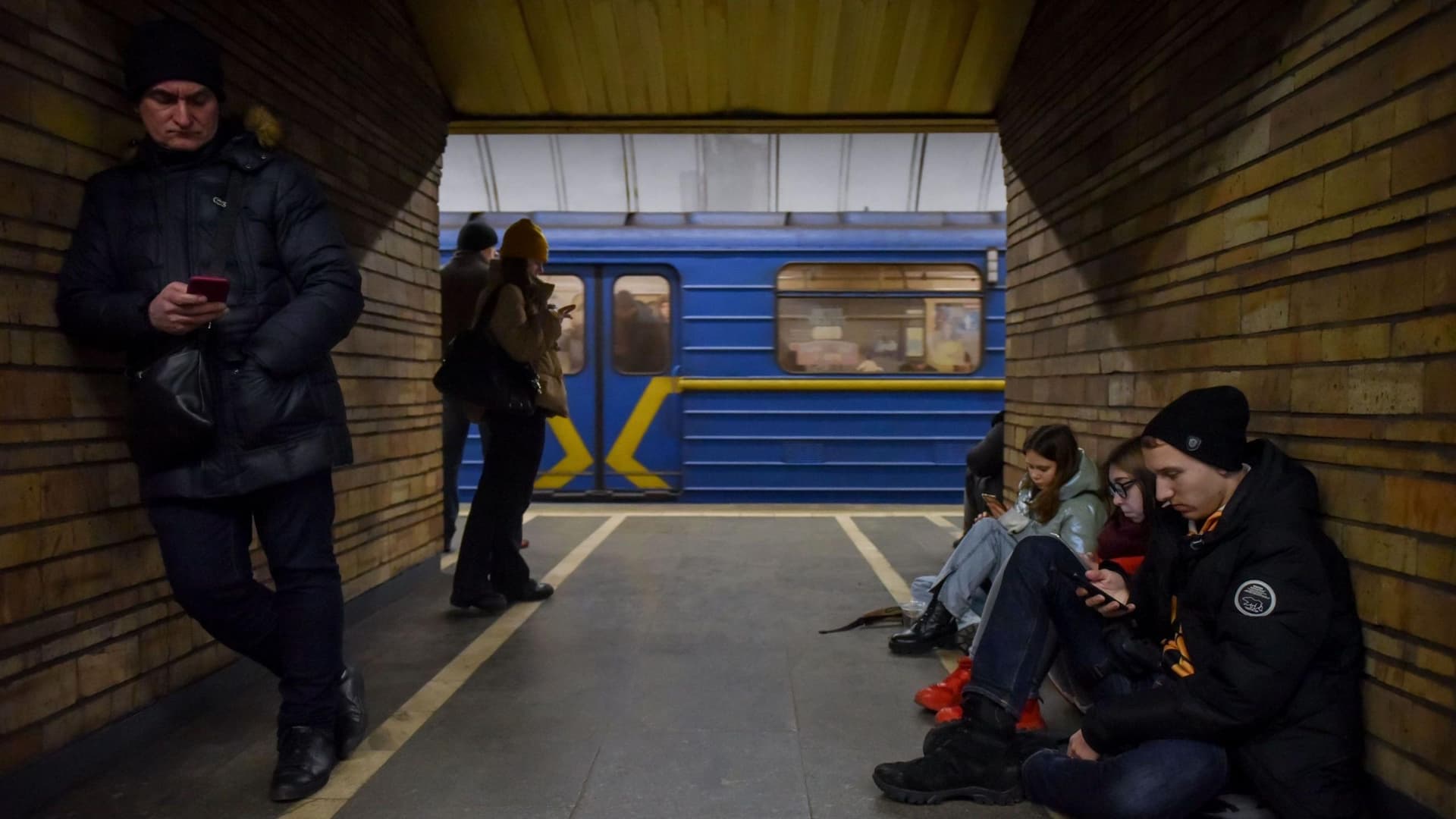
Within 15 minutes, the Ukrainian Air Force issued a statement saying that the alert app had been compromised, and clarified that there was no radiation threat. However, the all-clear messages appeared only more than an hour later. Many residents of the country did not take the messages seriously: Sofia Kochmar, a resident of Lviv, told the BBC that the word 'nuclear' frightened her at first, but the mention of 'street fighting in Kyiv' seemed implausible to her. Anastasia Romanytska, a ballerina from Kyiv who does not have the app installed, learned about the warnings from friends and described a physiological stress reaction despite her scepticism.
Who is behind the attack and what the experts say
Cyber expert Yevhen Baliutov of the Kyiv School of Economics told the BBC that, in his view, the Ukrainian alert system was hacked by Russians, and that following the link in the messages could have exposed users to further disinformation, phishing or data leaks. At the same time, the BBC notes that the informal style of the fake alerts points rather to so-called hacktivist groups, which may be linked to Moscow or Kyiv but are not formally run by governments. Baliutov also considered it logical that Ukraine responded with a cyberattack on the Russian emergency alert system, adding that both sides have similar capabilities in cyber warfare. According to the BBC, a similar failure occurred in Russian air raid alert apps as well.
The vulnerability of a system people are tired of
The incident amounted to an alarm without panic — residents quickly turned to jokes in work chats, Kochmar notes. But, in Baliutov's assessment, it exposed the vulnerability of a critical system: 'When millions of people rely on a service, we cannot afford shortcuts in security.' For the authorities, this is an additional problem: after four and a half years of war with almost continuous alerts, the population is already tired of notifications, and now the authorities must also convince people that the protection systems are reliable and worth trusting.
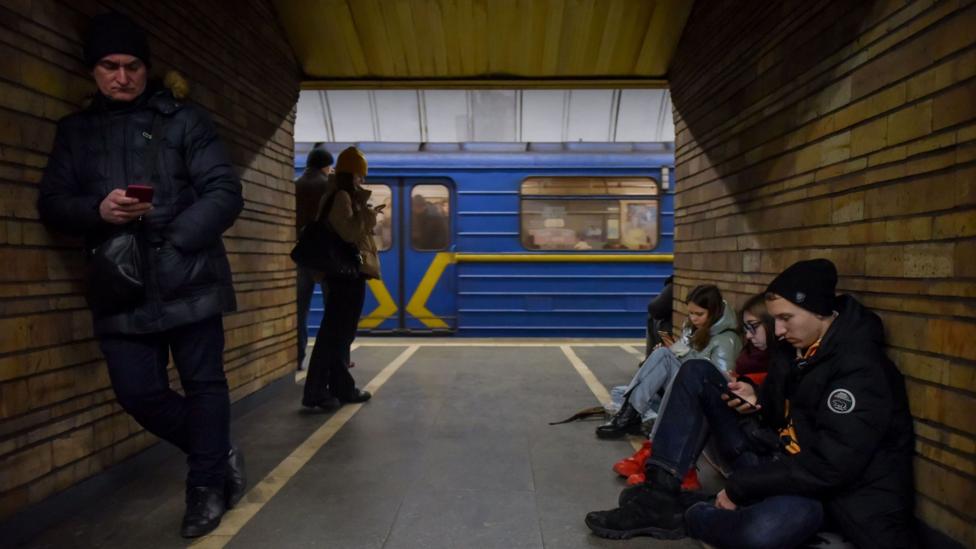 Image source, EPA
Ukrainians have different apps with official data to warn them about air raid warnings