The key facts
- On November 1, 2026, the Air Alert app sent out false alerts about a radiation threat, a chemical threat, and street fighting in Kyiv
- The Air Force of Ukraine stated there may have been hostile interference and denied the radiation threat
- The Hitcore group claimed responsibility and described how they penetrated the system
False alerts in the app
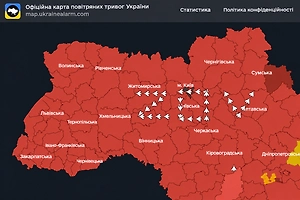
On the evening of November 1, 2026, users of the Ukrainian Air Alert app received a series of false alerts. According to BBC News, messages in Ukrainian began at around 22:47 (20:47 GMT) with an alert about a radiation threat in Kyiv. Then, at 22:48, a message in Russian followed about an allegedly impending nuclear alert across Ukraine, mentioning the Oreshnik missile, and at 22:49 alerts about a chemical threat and street fighting in Kyiv were sent. After that, users received separate messages canceling each of the threats.
Reaction of the Ukrainian authorities
The Air Force of Ukraine stated that the app had probably been subjected to hostile interference and emphasized: There is no radiation threat! The Intelligence Directorate of Ukraine called the incident a malfunction of the app and urged citizens to verify information from other sources. According to the BBC, because of the radiation hazard alert, the signal was activated via loudspeakers in Lviv Oblast. The head of Vinnytsia Oblast, Natalia Zabolotna, reported a cyberattack on the app and warned people not to follow the link in the message. The Air Alert app is supported by the Ministry of Digital Transformation of Ukraine and informs users about the beginning and end of alerts.
Claim of responsibility by the Hitcore group
The hacker group Hitcore claimed responsibility for the hack. As Life.ru reports, citing representatives of the group,they gained access to the system through the app administrator's computer: they befriended him in correspondence posing as a 17-year-old girl, and the man downloaded a file named ZAL-upa sent to his work computer, which contained malicious software. According to the hackers, they did not need any sophisticated technical tricks — it was enough to play on the employee's curiosity. They said they wanted to demonstrate the vulnerability of Ukrainian digital services and warned that the incident might not be the last.
What is known and what remains unconfirmed
Hitcore's statement about the method of intrusion remains the hackers' own claim: no independent confirmation of the described scheme appears in the publications. Ukrainian authorities have not confirmed the specific method of the hack — the Air Force spoke only of probable hostile interference, while the intelligence directorate called the incident a malfunction. The incident affects users across Ukraine: false alerts were sent not only in Kyiv but, according to the BBC, also led to the activation of a radiation hazard signal in Lviv Oblast. For residents, this practically meant the need to cross-check alerts with official sources, which is exactly what Ukrainian agencies asked people to do.